Yo! As a supplier of aluminum diisobutylphosphinate, I've been getting a lot of questions lately about how this stuff affects the optical properties of polymers. So, I thought I'd break it down in this blog post.
First off, let's talk a bit about aluminum diisobutylphosphinate itself. It's a super useful flame - retardant additive with the CAS number 873651 - 85 - 5. We offer different grades like Flame Retardant For UHMWPE CAS 873651 - 85 - 5, ABS - Grade Aluminum Diisobutylphosphinate Flame Retardant CAS 873651 - 85 - 5, Aluminum Diisobutylphosphinate HD13 CAS 873651 - 85 - 5, Aluminum Diisobutylphosphinate D - 13 CAS 873651 - 85 - 5, and Ultra - fine Aluminum Diisobutylphosphinate ZM - 1 CAS 873651 - 85 - 5. Each grade has its own unique features and applications, but we're mainly focusing on how it impacts the optics of polymers here.
Transparency
When you add aluminum diisobutylphosphinate to a polymer, one of the first things you might notice is its effect on transparency. In some polymers, a small amount of this additive can maintain a relatively high level of transparency. However, as the loading of the aluminum diisobutylphosphinate increases, the transparency usually starts to go down.
This is because the additive particles can scatter light. The way they interact with light depends on their size, shape, and concentration. If the particles are well - dispersed in the polymer matrix, the reduction in transparency might be less severe. But if there are agglomerations, the scattering of light becomes more noticeable, and the polymer looks less clear.
Haze
Haze is another important optical property that's affected. Haze refers to the amount of light that's scattered in the forward direction by the material. When you mix aluminum diisobutylphosphinate with polymers, the haze typically increases.
The reasons are similar to those for the loss of transparency. The additive particles cause light to deviate from its original path. The degree of haze increase can vary depending on the polymer type. For instance, some polymers are more “tolerant” of the additive, and the haze increase might be minimal. But for others, even a small addition of the aluminum diisobutylphosphinate can lead to a significant jump in haze.
Refractive Index
The refractive index of a polymer can also be altered by the inclusion of aluminum diisobutylphosphinate. The refractive index is a measure of how much light bends when it enters the material.
The additive has its own refractive index, and when it's mixed with the polymer, the overall refractive index of the composite changes. This change can have implications for applications where light needs to pass through the material in a controlled way, such as in optical lenses or displays. If the refractive index change is too large, it can cause issues like optical distortions.
Color
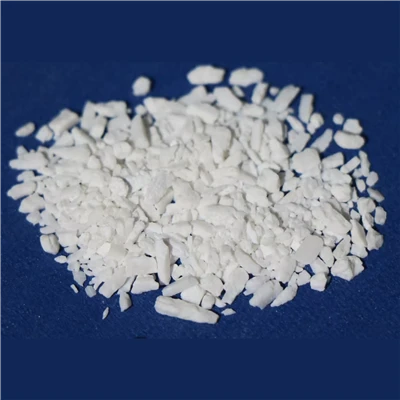
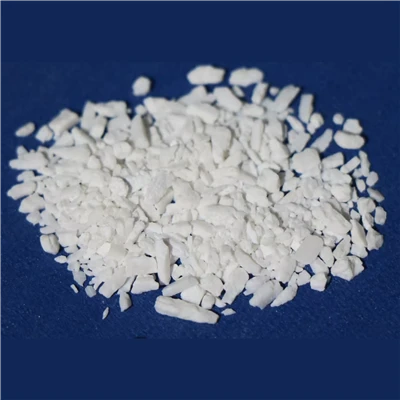
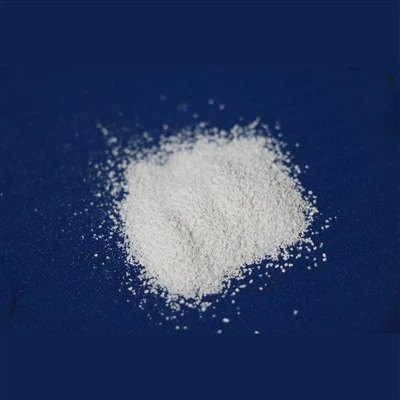
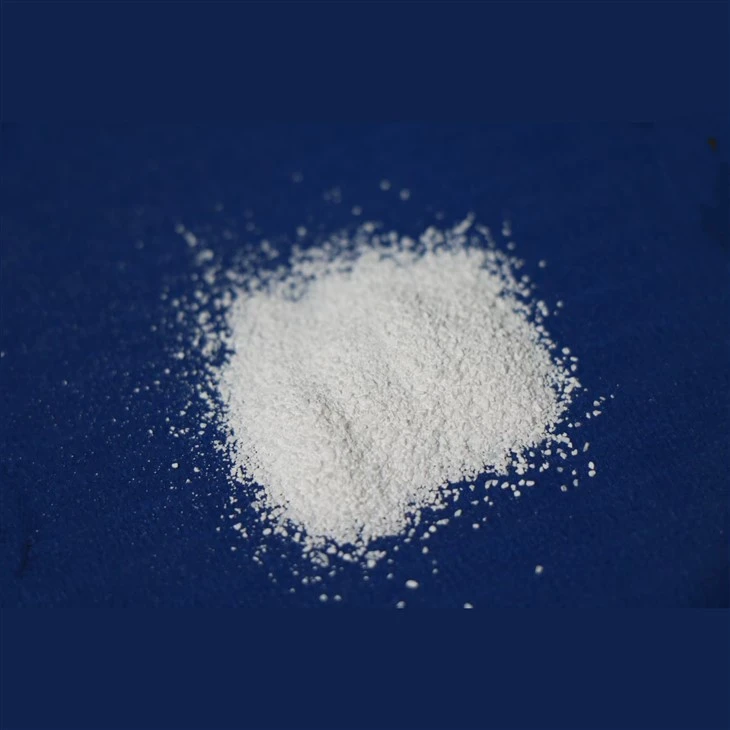
Color is also an aspect to consider. Aluminum diisobutylphosphinate itself is usually a white or off - white powder. When added to polymers, it can sometimes give a slightly milky or opaque appearance, especially at higher loadings.
In some cases, the additive might react with other components in the polymer system or be affected by processing conditions, which can lead to color changes. For example, if there are trace impurities in the additive or the polymer, they could react during high - temperature processing and cause yellowing or other color shifts.
Solutions to Minimize Optical Impact
There are ways to minimize the negative impacts of aluminum diisobutylphosphinate on the optical properties of polymers. One approach is to use a well - dispersed masterbatch. By pre - dispersing the additive in a small amount of polymer, it can be more evenly distributed in the final product, reducing light scattering and haze.
Another option is to choose the right grade of aluminum diisobutylphosphinate for your specific polymer and application. For example, ultra - fine grades like the Ultra - fine Aluminum Diisobutylphosphinate ZM - 1 CAS 873651 - 85 - 5 often have less of an impact on optics because their smaller particle size results in less light scattering.

Applications
Despite the optical changes, polymers with aluminum diisobutylphosphinate still have a wide range of applications. In the automotive industry, they can be used for interior parts. The flame - retardant property is crucial for safety, and the optical properties, while changed, might still be acceptable for these non - critical optical applications.
In the electronics industry, they're used for casings and components. Here, the flame - retardant function is absolutely essential, and in many cases, a certain level of haze or reduced transparency can be tolerated.
Conclusion
To sum it up, aluminum diisobutylphosphinate can have several effects on the optical properties of polymers, including reduced transparency, increased haze, changes in refractive index, and possible color shifts. But with the right strategies, like using well - dispersed masterbatches and choosing the appropriate grade, these effects can be managed.
If you're in the market for aluminum diisobutylphosphinate and want to learn more about how it can work for your specific polymer applications in terms of both flame - retardancy and optical properties, feel free to reach out. We're here to help you make the best choice and get the most suitable product for your needs. Let's start a conversation to discuss your requirements and how we can support your procurement.
References
- Polymer Technology Handbook, Third Edition. CRC Press.
- Optical Properties of Materials: An Introduction. Cambridge University Press.