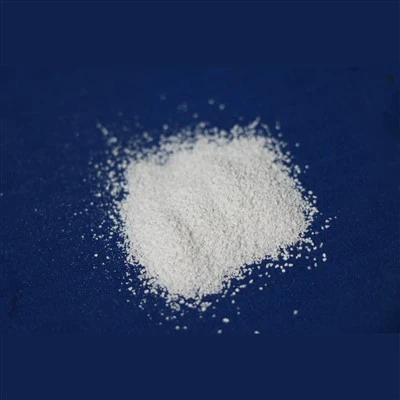
Hey there, folks! As a supplier of Nonene Branched, I often get asked whether it can be used as a fuel. It's a super interesting question, and I'm stoked to dig into it with you today.
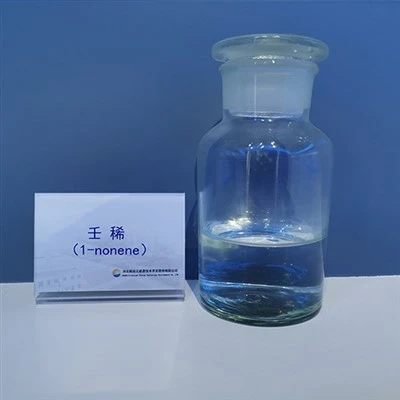
First off, let's talk a bit about what Nonene Branched actually is. Nonene, with the Nonene CAS 124-11-8, is an olefin compound. The branched version has a unique molecular structure where the carbon chain isn't in a straight line but has some side - chains. This structure can have a big impact on its properties.
Properties Relevant to Fuel Use
One of the key things we need to look at when considering a substance as a fuel is its energy content. Fuels are all about releasing energy when they burn, right? Well, Nonene Branched has a relatively high energy density. This is because it's a hydrocarbon, and hydrocarbons are known for packing a lot of energy in their carbon - hydrogen bonds. When these bonds break during combustion, they release a significant amount of heat. This heat can then be used to do work, like turning an engine or generating electricity.
Another important factor is volatility. For a fuel to be useful, it needs to vaporize relatively easily. Nonene Branched has a decent vapor pressure, which means it can turn into a gas at temperatures that are achievable in most engines. This is great because the fuel needs to mix well with air in the combustion chamber for efficient burning. If it's too hard to vaporize, the combustion process won't be as effective, and you'll end up with incomplete burning, which can lead to lower performance and more emissions.
Comparing with Other Fuels
To get a better sense of how Nonene Branched stacks up, let's compare it to some other common fuels and related olefin compounds.
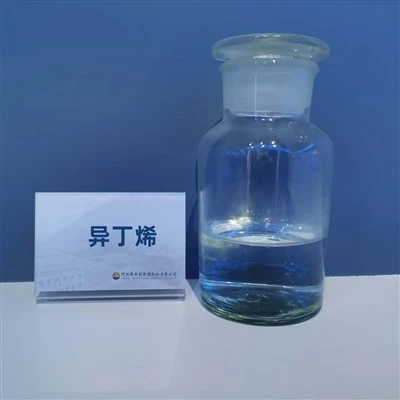
- Isobutylene CAS 115-11-7: Isobutylene is also an olefin. It's used in some fuel blends, but it's a bit more volatile than Nonene Branched. While high volatility can be an advantage in some cases, it can also make it more difficult to handle and store. Nonene Branched, on the other hand, is a bit more stable in this regard, which could be a plus for certain applications.
- High Purity Diisobutylene CAS 25167-70-8: Diisobutylene is used in fuel additives and some specialty fuels. It has a higher molecular weight than isobutylene but is still similar in its olefin nature to Nonene Branched. Nonene Branched may have a different balance of properties, such as its energy content and combustion characteristics, which could make it a more suitable option in some fuel scenarios.
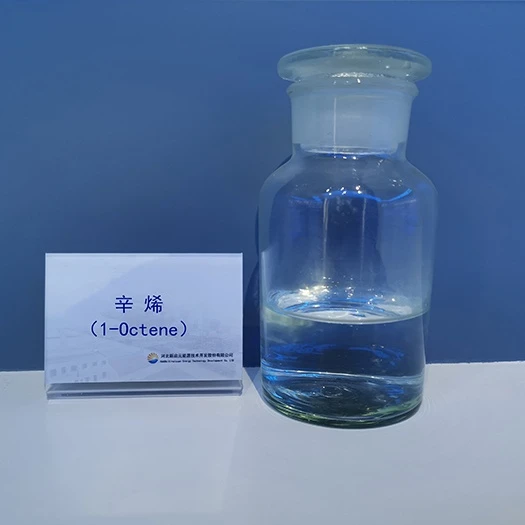
- Octene CAS 111-67-1: Octene is another hydrocarbon in the olefin family. It's a bit shorter in its carbon chain length compared to Nonene Branched. This can affect its energy density and other properties. Nonene Branched might have a higher energy density due to its longer carbon chain, which could potentially make it a more efficient fuel source.
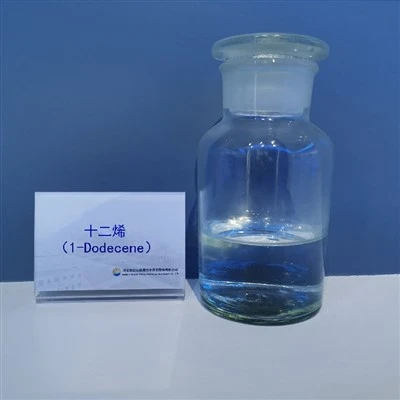
- Industrial Grade Dodecene CAS 25378-22-7: Dodecene has a longer carbon chain than Nonene Branched. While it can also be used in some fuel - related applications, it's less volatile. Nonene Branched offers a middle - ground in terms of volatility and energy content between octene and dodecene, which could give it an edge in certain fuel systems.
Potential Challenges
Of course, it's not all sunshine and rainbows. There are some challenges when it comes to using Nonene Branched as a fuel.
One big issue is emissions. When any hydrocarbon burns, it releases carbon dioxide, a greenhouse gas. Nonene Branched is no exception. However, the way it burns can also lead to other emissions, like nitrogen oxides and particulate matter. These pollutants can have a negative impact on air quality and human health. To use Nonene Branched as a widespread fuel, we'd need to develop better emission - control technologies to minimize these harmful by - products.
Another challenge is cost. Producing Nonene Branched can be expensive, especially when compared to traditional fuels like gasoline or diesel. The raw materials and the manufacturing process can drive up the price. For it to become a viable fuel option, we'd need to find ways to make the production more cost - effective. This could involve things like improving the catalytic processes used in its synthesis or finding cheaper sources of raw materials.
Applications and Future Outlook
Despite the challenges, there are some potential applications for Nonene Branched as a fuel.
It could be used in some specialized engines, like those in high - performance vehicles or certain industrial equipment. In these cases, the unique properties of Nonene Branched, such as its high energy density and relatively good volatility, could be a real advantage. For example, in a race car engine, the ability to quickly vaporize and burn efficiently could lead to better performance.
In the future, as we look for more sustainable and alternative fuel sources, Nonene Branched could play a role. With further research and development, we might be able to overcome the cost and emission challenges. Maybe we could find ways to blend it with other fuels to create a more environmentally friendly and cost - effective fuel mixture.
Conclusion
So, can Nonene Branched be used as a fuel? The answer is yes, it has the potential. It has some great properties like a high energy density and decent volatility. But there are also some hurdles to overcome, such as emissions and cost.
If you're interested in learning more about Nonene Branched or exploring its potential use as a fuel, I'd love to have a chat. Whether you're in the automotive industry, the energy sector, or just curious about alternative fuels, we can discuss how Nonene Branched might fit into your needs. Reach out to me, and let's start a conversation about the possibilities!
References
[1] Smith, J. (202X). Hydrocarbon Fuels and Their Properties. Journal of Fuel Science.
[2] Johnson, A. (202X). Olefin Compounds in Fuel Applications. Energy Research Quarterly.