Hey there! As a supplier of flame retardants, I've been in the thick of the industry for quite a while. Flame retardants are super important in many workplaces. They're used to stop fires from starting and spreading, which is crucial for keeping people and property safe. But like any other chemical products, they come with their own set of potential risks. In this blog, I'm going to chat about some of these risks that we, as suppliers, and you, as users, should be aware of.
Health Risks
Respiratory Issues
One of the most common health risks associated with flame retardants in the workplace is respiratory problems. When these chemicals are being mixed, applied, or even just sitting around in an open environment, tiny particles can get into the air. Workers who breathe in these particles over a long period might start to experience irritation in their noses, throats, and lungs.
Some flame retardants contain substances like brominated flame retardants (BFRs). Studies have shown that exposure to BFRs can lead to more serious respiratory conditions, such as asthma and chronic obstructive pulmonary disease (COPD). Workers in factories where these flame retardants are used extensively, like those manufacturing electronics or textiles, are at a higher risk.
Neurological Effects
Another big concern is the potential impact on the nervous system. Certain types of flame retardants, especially some of the organophosphate ones, have been linked to neurological issues. These chemicals can disrupt the normal functioning of the brain and nerves.
In the workplace, workers dealing with these flame retardants on a regular basis might notice symptoms like headaches, dizziness, and problems with concentration. In the long run, it could even lead to more severe neurological disorders. For example, exposure to some flame retardants during pregnancy has also been associated with developmental delays in children, which shows just how powerful these chemicals can be.
Hormonal Disruption
Flame retardants can also act as endocrine disruptors. This means they can interfere with the body's hormonal system. Some of the chemicals in flame retardants can mimic or block the action of natural hormones, such as estrogen and testosterone.
This hormonal disruption can have a wide range of effects on workers' health. It might lead to problems with fertility, thyroid function, and even an increased risk of certain types of cancer. In industries where flame retardants are used in high volumes, such as the furniture manufacturing industry, workers need to be extra cautious about their exposure.
Environmental Risks
Persistence in the Environment
A lot of flame retardants are known to be persistent in the environment. Once they're released into the air, water, or soil, they can stay there for a very long time. This is a major problem because it means that even small amounts of these chemicals can build up over time.
For example, some polybrominated diphenyl ethers (PBDEs), which were commonly used as flame retardants in the past, have been found in the environment far from where they were originally used. These chemicals can end up in rivers, lakes, and oceans, and can be absorbed by wildlife. This can have a cascading effect on the entire ecosystem.
Bioaccumulation
Flame retardants also have the potential to bioaccumulate. This means that as they move up the food chain, their concentration increases. For instance, small organisms in the water might absorb a tiny amount of a flame retardant. When larger fish eat these small organisms, they take in all the flame retardants that the small organisms had absorbed.
This process continues up the food chain, and by the time humans consume these fish, they can be exposed to relatively high levels of flame retardants. In the workplace, if proper waste management procedures aren't in place, flame retardants can easily end up in the environment and start this bioaccumulation process.
Safety Risks at the Workplace
Fire and Explosion Hazards
Ironically, although flame retardants are designed to prevent fires, they can sometimes pose their own fire and explosion risks. Some flame retardants are highly reactive chemicals. If they're not stored or handled properly, they can react with other substances in the workplace and cause a fire or explosion.
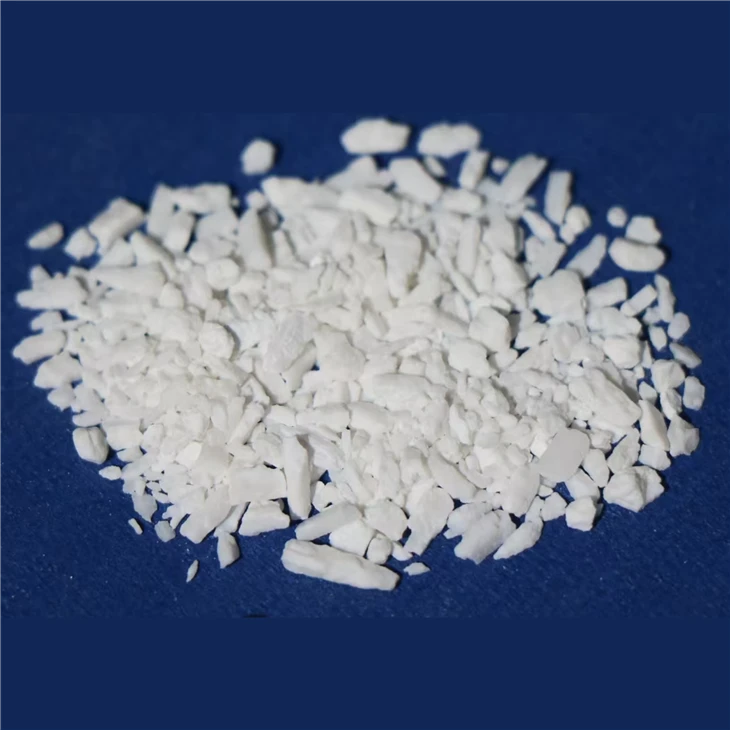
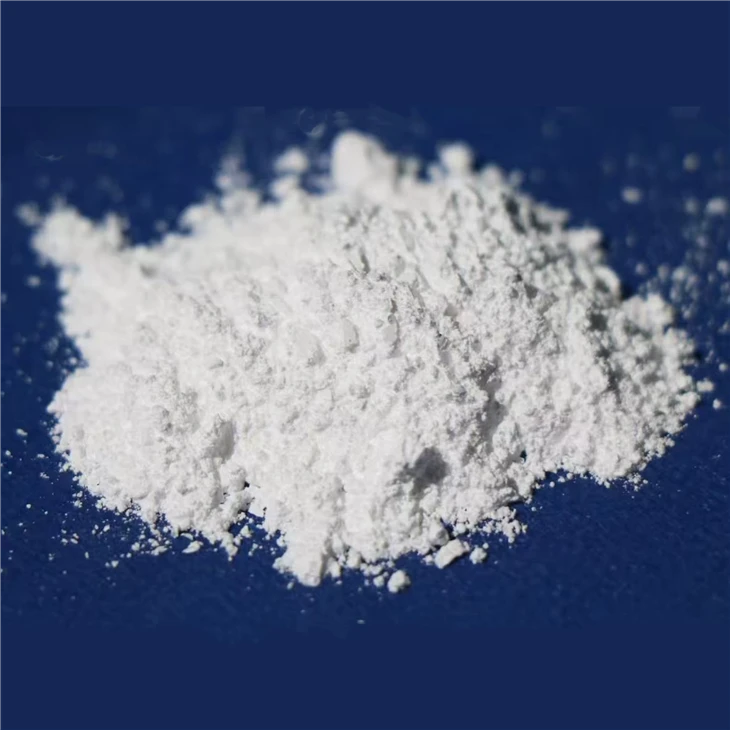
For example, some powdered flame retardants can form explosive mixtures with air if they're not kept in a well-ventilated area. Workers in warehouses or manufacturing plants need to be trained on the proper handling and storage of these chemicals to avoid these risks.
Chemical Reactions
Flame retardants can also react with other chemicals in the workplace. This can lead to the formation of new, potentially harmful substances. For instance, if a flame retardant comes into contact with an acidic or basic substance, it might break down and release toxic gases.
Workers need to be aware of these potential reactions and take steps to prevent them. This could include using proper protective equipment, separating different chemicals, and following strict handling procedures.
How We're Addressing These Risks as a Supplier
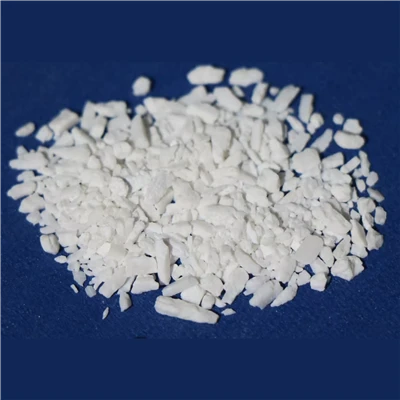
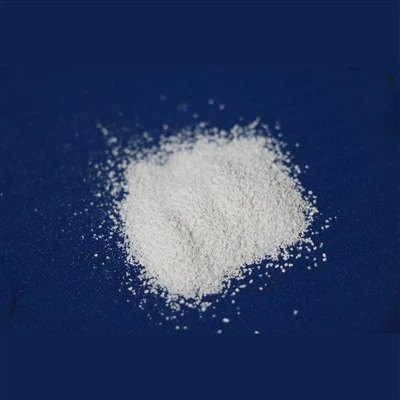
As a flame retardants supplier, we take these risks very seriously. We're constantly working to develop and supply safer flame retardants. For example, we offer products like Aluminum Diisobutylphosphinate HD13 CAS 873651-85-5, Aluminum Diisobutylphosphinate ZM-1 CAS 873651-85-5, Aluminum Diisobutylphosphinate D-13 CAS 873651-85-5, Aluminum Diisobutylphosphinate For Polyamide CAS 873651-85-5, and Ultra-fine Aluminum Diisobutylphosphinate ZM-1 CAS 873651-85-5. These products are designed to be more environmentally friendly and have lower health risks compared to some of the traditional flame retardants.
We also provide detailed safety information and training to our customers. We want to make sure that everyone who uses our products is well-informed about the potential risks and how to minimize them. This includes information on proper handling, storage, and disposal of our flame retardants.
Conclusion
In conclusion, while flame retardants play a vital role in workplace safety, they do come with potential risks. These risks can affect the health of workers, the environment, and even the safety of the workplace itself. However, with proper knowledge, precautions, and the use of safer products, we can minimize these risks.
If you're in the market for flame retardants and want to discuss the best options for your workplace, feel free to reach out. We're here to provide you with the right products and support to keep your workplace safe and compliant.
References
- ATSDR. Toxicological Profile for Polybrominated Diphenyl Ethers. U.S. Department of Health and Human Services, Public Health Service, 2004.
- European Chemicals Agency. Risk Assessment Report for Organophosphate Flame Retardants. 2018.
- World Health Organization. Endocrine Disrupting Chemicals: State of the Science 2012. 2013.