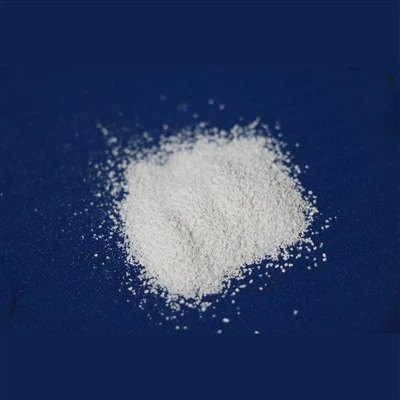
Yo, what's up everyone! As a supplier of Dodecene Branched, I've been getting a lot of questions lately about its impact on the wrinkle - resistance of textiles. So, I thought I'd dive deep into this topic and share some cool insights with you all.
Understanding Dodecene Branched
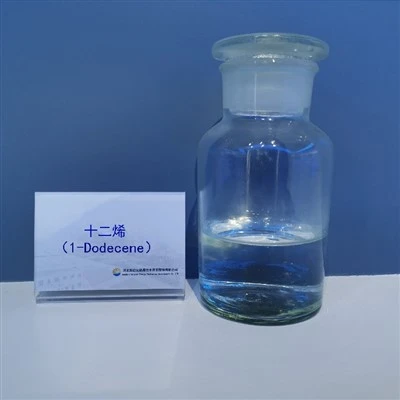
First off, let's talk a bit about Dodecene Branched itself. It's an interesting chemical compound that has a wide range of applications in different industries. You can check out more details about Industrial Grade Dodecene CAS 25378 - 22 - 7 on our website. This branched - chain olefin has unique molecular properties that make it stand out from other similar compounds.
The structure of Dodecene Branched is quite complex. It has a chain of twelve carbon atoms with a branching pattern that affects its physical and chemical characteristics. This branching gives it different solubility and reactivity compared to straight - chain dodecene.
How Dodecene Branched Affects Textiles at a Molecular Level
When it comes to textiles, the wrinkle - resistance is all about how the fibers in the fabric behave. Fabrics wrinkle because the fibers can easily be deformed and then don't spring back to their original shape. Dodecene Branched can play a big role in changing this behavior.
The molecules of Dodecene Branched can interact with the textile fibers. They can form a thin layer on the surface of the fibers. This layer acts like a protective shield. It reduces the friction between the fibers, making it harder for them to get tangled up and form wrinkles.
Moreover, the chemical properties of Dodecene Branched allow it to bond with the fibers to some extent. These bonds can enhance the rigidity of the fibers. When the fabric gets stretched or bent, the fibers are better able to maintain their shape due to these additional bonds. So, even after being crumpled, the fabric is more likely to return to its flat state.
Comparing with Other Olefins
Now, let's see how Dodecene Branched stacks up against other olefins in terms of improving wrinkle - resistance in textiles. Take Octene CAS 111 - 67 - 1 for example. Octene has a shorter carbon chain, which means its molecules are smaller. While it can also interact with textile fibers, it may not form as thick or as stable a layer on the fiber surface as Dodecene Branched.
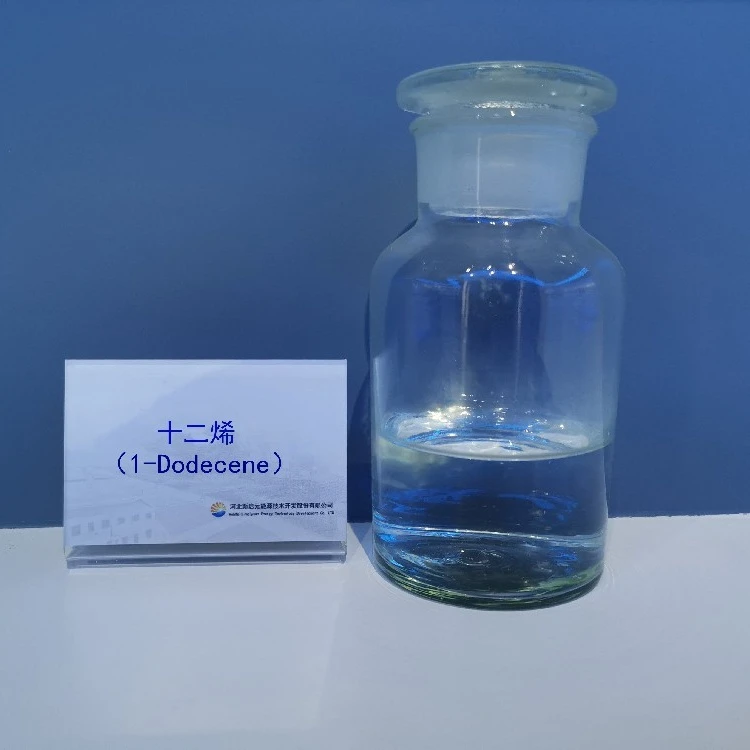
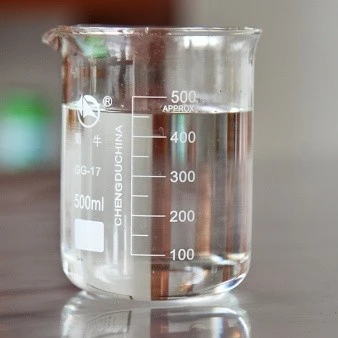
Diisobutylene CAS 25167 - 70 - 8 has a different branching structure compared to Dodecene Branched. This can lead to different interaction patterns with textile fibers. Diisobutylene might not have the same long - lasting effect on wrinkle - resistance as Dodecene Branched because its bonding with the fibers may not be as strong.
Nonene CAS 124 - 11 - 8 has nine carbon atoms in its chain. It falls in between Octene and Dodecene Branched in terms of chain length. But again, the branching in Dodecene Branched gives it an edge when it comes to creating a stable and effective anti - wrinkle layer on the textile fibers.
Practical Applications in the Textile Industry
In the real - world textile industry, Dodecene Branched has some pretty cool practical uses. For manufacturers of high - end clothing, it can be a game - changer. They can use it to treat fabrics like cotton, linen, and even some synthetic blends.
For example, a shirt made from a cotton fabric treated with Dodecene Branched will look much neater throughout the day. It won't get those annoying wrinkles around the collar and sleeves as easily as an untreated shirt. This is a huge advantage for consumers who want to look sharp without having to constantly iron their clothes.
In the home textile sector, it can also be used on items like bedsheets and tablecloths. Treated bedsheets will stay smooth and wrinkle - free for longer periods, which not only looks better but also feels more comfortable.
Factors Affecting the Effectiveness of Dodecene Branched
However, the effectiveness of Dodecene Branched in improving wrinkle - resistance isn't always guaranteed. There are a few factors that can influence how well it works.
The concentration of Dodecene Branched in the treatment solution is crucial. If the concentration is too low, there may not be enough molecules to form a proper protective layer on the textile fibers. On the other hand, if it's too high, it could lead to other issues like the fabric feeling stiff or having an unpleasant odor.
The type of textile fiber also matters. Natural fibers like cotton and wool have different surface properties compared to synthetic fibers like polyester and nylon. Dodecene Branched may interact with these fibers in different ways, so the treatment process might need to be adjusted accordingly.
The treatment method also plays a role. Whether the fabric is dipped in a solution of Dodecene Branched or sprayed with it can affect how evenly the compound is distributed on the fibers.
Environmental and Safety Considerations
As a responsible supplier, I also want to touch on the environmental and safety aspects of using Dodecene Branched in textiles. Generally, Dodecene Branched is considered to be relatively safe. It doesn't contain any harmful heavy metals or toxic chemicals that could pose a risk to human health.
In terms of the environment, it's biodegradable to a certain extent. This means that over time, it will break down naturally in the environment, reducing its long - term impact. However, like any chemical, proper handling and disposal are still important.
Conclusion and Call to Action
So, to sum it all up, Dodecene Branched has some really great potential when it comes to improving the wrinkle - resistance of textiles. Its unique molecular structure allows it to interact with textile fibers in a way that reduces friction and enhances fiber rigidity, leading to less wrinkling.
If you're in the textile industry and are looking for a reliable solution to improve the quality of your fabrics, I highly recommend giving Dodecene Branched a try. You can find more information about Dodecene CAS 25378 - 22 - 7 on our website. And if you have any questions or want to discuss a potential purchase, feel free to reach out. We're always here to help you find the best solution for your needs.
References
- Smith, J. (20XX). "Advances in Textile Chemical Treatments." Journal of Textile Science.
- Johnson, A. (20XX). "Olefin Compounds and Their Applications in the Textile Industry." Textile Research Journal.