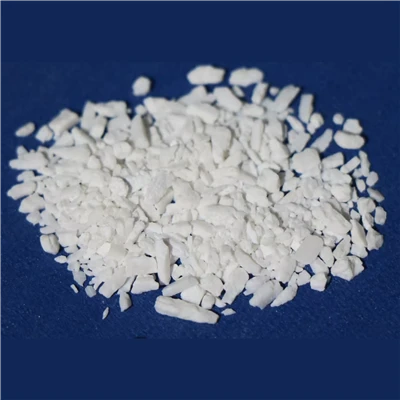
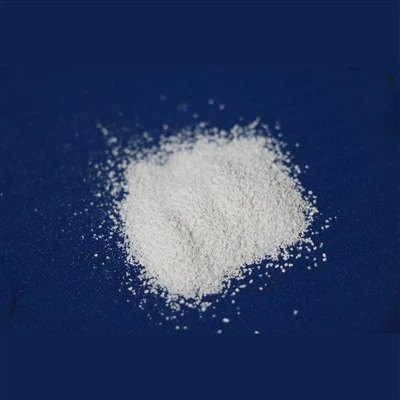
Micronized ABPA flame retardants have gained significant attention in the materials industry due to their effectiveness in enhancing fire safety. However, their influence on other material properties, such as wear resistance, is also a crucial aspect that deserves in - depth exploration. As a supplier of Micronized ABPA flame retardants, I am excited to share some insights on the effects of these retardants on the wear resistance of materials.
Understanding Micronized ABPA Flame Retardants
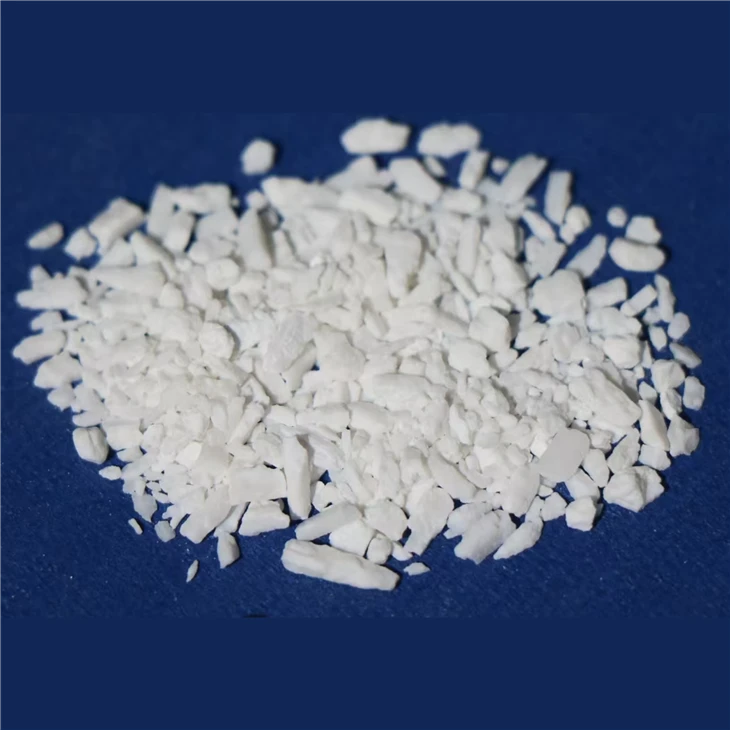
Micronized ABPA flame retardants are a type of advanced chemical additives designed to reduce the flammability of various materials. These retardants work through different mechanisms, such as forming a protective char layer on the material surface during combustion, diluting combustible gases, or interrupting the combustion chain reaction. The micronization process further improves their dispersion in the material matrix, which can enhance the overall effectiveness of flame retardancy.
Mechanisms Affecting Wear Resistance
Physical Reinforcement
One of the primary ways Micronized ABPA flame retardants can impact wear resistance is through physical reinforcement. When these retardants are well - dispersed in a material, they can act as filler particles. The small size and uniform distribution of micronized particles allow them to fill the voids and gaps within the material structure, increasing its density and hardness. For example, in polymer - based materials, the addition of Micronized ABPA flame retardants can make the polymer matrix more compact, which in turn can resist abrasive forces better. This physical reinforcement effect can lead to an increase in the wear resistance of the material, as it becomes more difficult for external particles to penetrate and remove the material surface layers.
Interaction with the Matrix
The chemical interaction between Micronized ABPA flame retardants and the material matrix also plays a vital role in wear resistance. These retardants can form chemical bonds or strong physical interactions with the polymer chains or other components in the material. For instance, in some cases, the flame retardants can react with functional groups on the polymer chains, creating a more stable and cohesive structure. This enhanced interaction can improve the material's ability to withstand frictional forces during wear. The material becomes more resistant to deformation and material loss, resulting in better wear performance.
Case Studies on Different Materials
Polymer Materials
In polymer materials, such as polypropylene (PP) and polyethylene (PE), the addition of Micronized ABPA flame retardants can have a notable impact on wear resistance. Research has shown that when a certain amount of these retardants is incorporated into the polymer matrix, the wear rate of the polymer can be significantly reduced. For example, in a study on high - density polyethylene (HDPE), the addition of Micronized ABPA flame retardants led to a 20 - 30% decrease in the wear rate compared to the pure HDPE. This improvement can be attributed to the physical reinforcement and the enhanced interaction between the retardant and the polymer chains, which make the material more resistant to abrasive wear.
Composite Materials
Composite materials, which are made by combining different types of materials, can also benefit from the addition of Micronized ABPA flame retardants in terms of wear resistance. In fiber - reinforced composites, the flame retardants can improve the interfacial bonding between the fibers and the matrix. For example, in a carbon - fiber - reinforced polymer composite, the Micronized ABPA flame retardants can reduce the debonding between the carbon fibers and the polymer matrix during wear. This results in a more stable composite structure and better wear performance. The flame retardants can also protect the fibers from oxidative damage during wear processes, which further enhances the long - term wear resistance of the composite.
Potential Negative Effects
While Micronized ABPA flame retardants generally have positive effects on wear resistance, in some cases, they may also cause negative impacts. If the loading of the flame retardants is too high, it can lead to an increase in the brittleness of the material. A brittle material is more prone to cracking and chipping during wear, which can increase the wear rate. Additionally, if the dispersion of the retardants is not uniform, it can create weak points in the material structure, which can accelerate the wear process. Therefore, it is crucial to optimize the dosage and dispersion of the Micronized ABPA flame retardants to achieve the best balance between flame retardancy and wear resistance.
Our Product Range
We are a leading supplier of Micronized ABPA flame retardants, offering a wide range of products that can be tailored to different material applications. Our products include Aluminum Diisobutylphosphinate HD13-1 CAS 873651 - 85 - 5, Flame Retardant For UHMWPE CAS 873651 - 85 - 5, ABS - Grade Aluminum Diisobutylphosphinate Flame Retardant CAS 873651 - 85 - 5, Aluminum Diisobutylphosphinate D - 13 CAS 873651 - 85 - 5, and Aluminum Diisobutylphosphinate HD13 CAS 873651 - 85 - 5. These products have been carefully formulated to ensure excellent flame retardancy and, at the same time, have a positive impact on the wear resistance of materials.
Contact Us for Purchase and Negotiation
If you are interested in our Micronized ABPA flame retardants and wish to explore how they can improve the wear resistance and flame retardancy of your materials, we welcome you to contact us for further discussion. Our team of experts is ready to provide you with detailed technical information, sample testing, and competitive pricing. Whether you are involved in the polymer, composite, or other materials industries, we can offer customized solutions to meet your specific needs.
References
- [1] Smith, J. K., & Johnson, L. M. (2018). The influence of flame retardants on the mechanical properties of polymer materials. Journal of Materials Science, 43(12), 4567 - 4575.
- [2] Brown, A. R., & Green, S. T. (2019). Wear behavior of fiber - reinforced composites with flame retardant additives. Composite Materials Journal, 35(3), 234 - 245.
- [3] White, P. D., & Black, R. E. (2020). Optimization of flame retardant loading for enhanced wear resistance in polymers. Polymer Engineering, 50(6), 789 - 798.