Olefins, a class of unsaturated hydrocarbons containing at least one carbon - carbon double bond, have long been recognized as versatile raw materials in various industries. As a leading supplier of olefin raw materials, I am excited to explore the significant uses of these materials in the production of sealants. Sealants are substances used to block the passage of fluids through the surface or joints or openings in materials, and olefin - based raw materials play a crucial role in enhancing their performance.
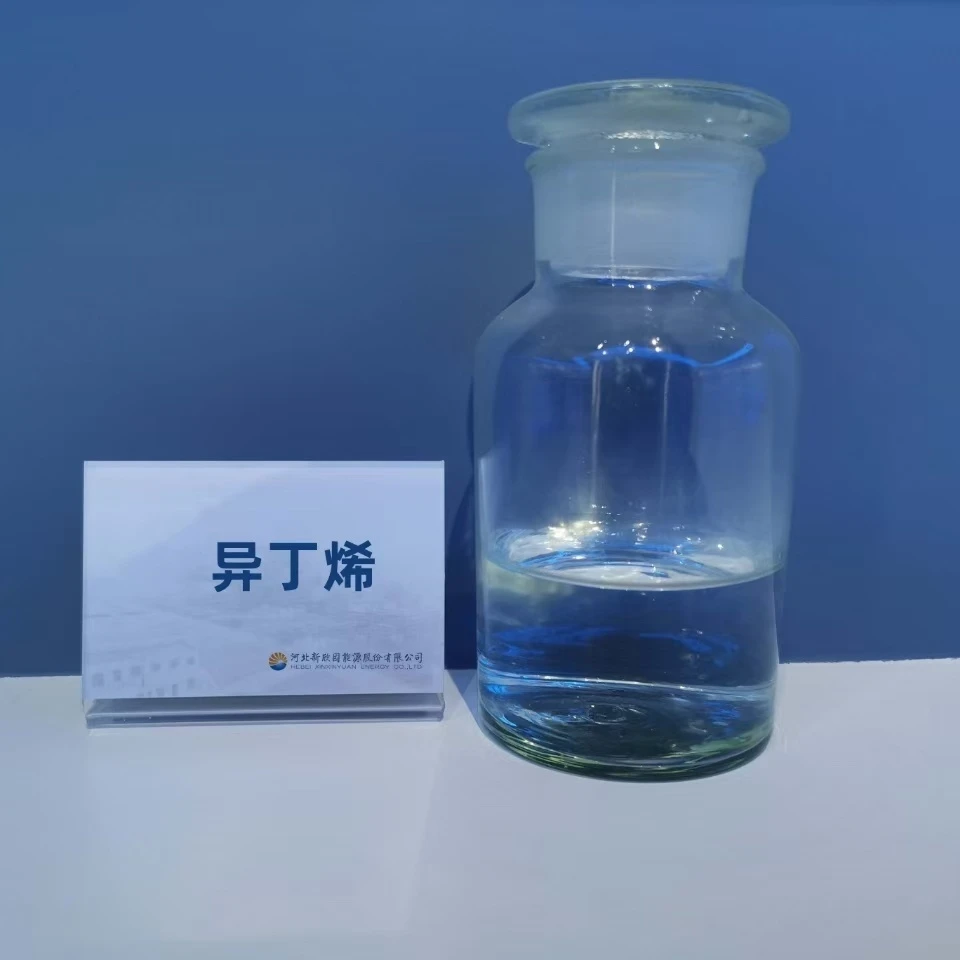
1. Isobutylene (CAS 115 - 11 - 7)
Isobutylene is a key olefin raw material with unique properties that make it highly valuable in sealant production. It is a colorless gas with a faint petroleum - like odor.
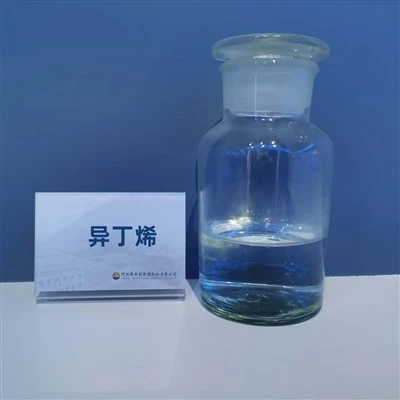
One of the primary uses of isobutylene in sealants is in the production of butyl rubber. Butyl rubber is synthesized by copolymerizing isobutylene with a small amount of isoprene. Butyl rubber - based sealants are known for their excellent air and moisture barrier properties. They are widely used in applications where preventing the ingress of air and water is critical, such as in the construction industry for sealing windows, doors, and roofing systems. Isobutylene CAS 115 - 11 - 7
In addition, isobutylene - derived polymers can provide good chemical resistance. Sealants made from these polymers can withstand exposure to a variety of chemicals, making them suitable for use in industrial settings where contact with corrosive substances is possible. For example, in chemical plants, isobutylene - based sealants can be used to seal pipes and tanks to prevent leakage of hazardous chemicals.
2. Diisobutylene (CAS 25167 - 70 - 8)
Diisobutylene is an olefin that is often used as a building block in the synthesis of more complex molecules for sealant applications.
It can be used to modify the viscosity and flow properties of sealants. By incorporating diisobutylene - based additives, sealants can be formulated to have the right consistency for easy application. For instance, in automotive applications, sealants need to be able to flow smoothly into small gaps and joints during the assembly process. Diisobutylene - derived additives can help achieve this, ensuring a proper seal and preventing the leakage of fluids such as oil and coolant. Diisobutylene CAS 25167 - 70 - 8
Moreover, diisobutylene can be used in the production of adhesives that are an integral part of some sealant systems. These adhesives can enhance the bonding strength between the sealant and the substrate, improving the overall performance and durability of the seal. High - purity diisobutylene, such as High Purity Diisobutylene CAS 25167 - 70 - 8, is especially valuable in applications where strict quality requirements are necessary.
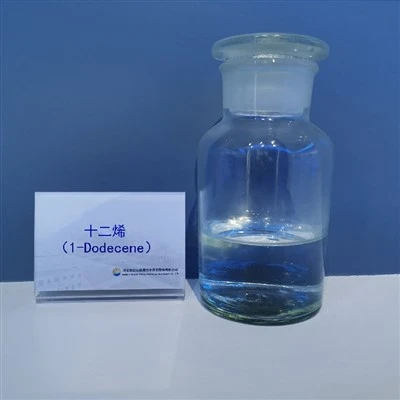
3. Industrial Grade Dodecene (CAS 25378 - 22 - 7)
Industrial grade dodecene is an olefin with a chain length of twelve carbon atoms. It offers several benefits in sealant production.
Dodecene can be used as a plasticizer in sealants. Plasticizers are substances that increase the flexibility and workability of polymers. In sealants, dodecene - based plasticizers can help prevent the sealant from becoming brittle over time, especially in cold environments. This is important for outdoor applications, such as in the sealing of exterior building joints, where the sealant needs to withstand temperature variations. Industrial Grade Dodecene CAS 25378 - 22 - 7
It can also improve the adhesion of the sealant to different substrates. Dodecene - containing sealants can form strong bonds with materials like metals, plastics, and glass, which is essential for creating a reliable and long - lasting seal. For example, in the aerospace industry, where sealants are used to seal aircraft components, the ability to adhere well to various materials is crucial for ensuring safety and performance.
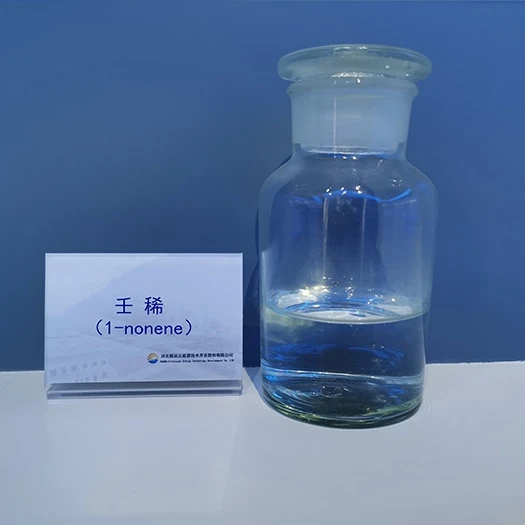
4. Nonene (CAS 124 - 11 - 8)
Nonene, an olefin with nine carbon atoms, has its own set of applications in sealant production.
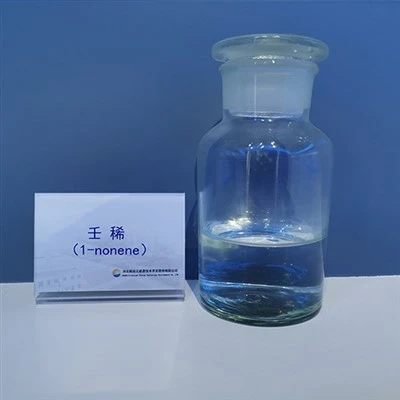
Nonene can be used in the synthesis of polymers with specific properties. These polymers can impart unique characteristics to sealants, such as improved weather resistance. Sealants containing nonene - based polymers can resist the effects of UV radiation, oxidation, and moisture, making them suitable for long - term outdoor use. Nonene CAS 124 - 11 - 8
In addition, nonene can be used as a reactive diluent in sealant formulations. Reactive diluents can reduce the viscosity of the sealant without sacrificing its performance. This allows for easier application and better penetration into the substrate, resulting in a more effective seal.
5. Overall Impact on Sealant Performance
The use of olefin raw materials in sealant production has a profound impact on the performance of sealants. By carefully selecting and combining different olefin - based components, sealant manufacturers can create products with a wide range of properties.
Olefin - based sealants can offer excellent durability, which is essential for applications where the seal needs to last for a long time. They can also provide good flexibility, allowing them to adapt to movements and vibrations in the substrate without cracking or losing their sealing ability.
Moreover, the chemical resistance and barrier properties of olefin - based sealants make them suitable for a variety of environments, from industrial settings to residential applications. This versatility has made olefin - based sealants a popular choice in the market.
6. Why Choose Our Olefin Raw Materials
As a supplier of olefin raw materials, we are committed to providing high - quality products. Our isobutylene, diisobutylene, industrial grade dodecene, and nonene are produced under strict quality control measures to ensure their purity and consistency.
We understand the specific needs of sealant manufacturers and can offer customized solutions. Whether you need a particular grade of olefin for a specific application or require technical support in formulating your sealants, our team of experts is ready to assist you.
7. Contact Us for Procurement
If you are in the business of sealant production and are looking for reliable olefin raw materials, we invite you to contact us for procurement discussions. Our team is eager to work with you to meet your raw material requirements and help you develop high - performance sealants.
References
- Smith, J. (2018). Olefin Chemistry in Industrial Applications. New York: Chemical Press.
- Johnson, A. (2020). Sealant Technology and Applications. London: Engineering Publications.
- Brown, C. (2019). The Role of Olefins in Polymer - Based Materials. Sydney: Polymer Science Journal.