Hey there! I'm a supplier of Dodecene Branched, and today I want to dive into a super interesting question: Can Dodecene Branched be used as a pesticide adjuvant?
First off, let's get a bit of background. Pesticide adjuvants are substances that are added to pesticides to enhance their performance. They can improve things like the spread, adhesion, and penetration of pesticides on plants. This means that pesticides can work more effectively, which is great news for farmers and the environment, as it can reduce the amount of pesticides needed.
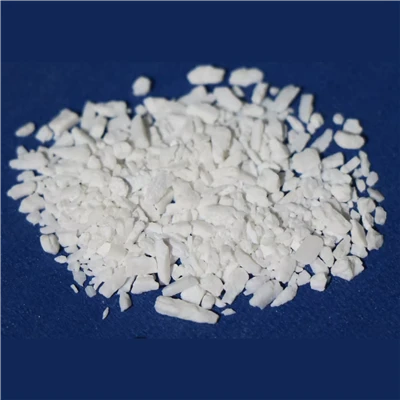
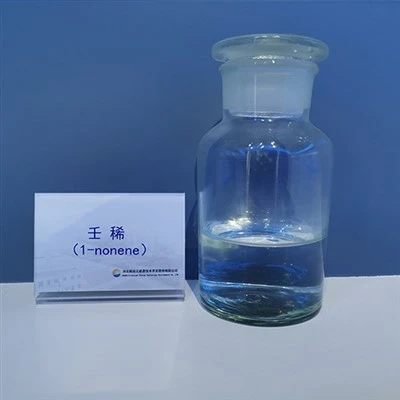
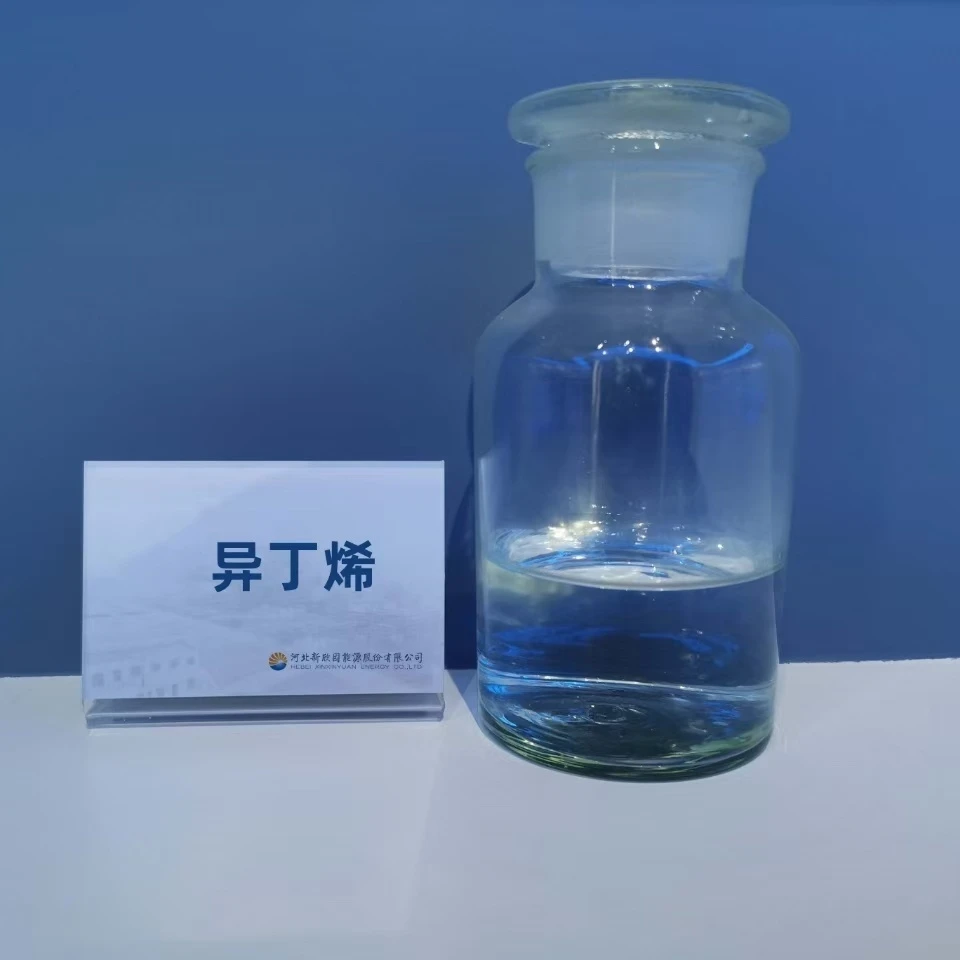
So, what about Dodecene Branched? Well, Dodecene Branched is a type of olefin. Olefins are unsaturated hydrocarbons, and they have some unique chemical properties that make them potentially useful in a variety of applications. We also supply other olefin raw materials like Nonene CAS 124 - 11 - 8, Isobutylene CAS 115 - 11 - 7, Dodecene CAS 25378 - 22 - 7, Diisobutylene Isomer Mixture CAS 25167 - 70 - 8, and Diisobutylene CAS 25167 - 70 - 8.
One of the key properties of Dodecene Branched is its low viscosity. Low - viscosity substances can spread more easily on the surface of plants. When a pesticide is applied, if it can spread evenly and cover a larger area of the plant, it's more likely to reach the pests. This is important because pests can hide in different parts of the plant, and an evenly spread pesticide has a better chance of making contact with them.
In addition, Dodecene Branched has good solubility. It can dissolve some pesticides better than other substances. This means that the pesticide can be more uniformly distributed in the adjuvant - pesticide mixture. When the mixture is sprayed on plants, the pesticide can be released in a more controlled and efficient manner.
Another aspect is its compatibility with pesticides. Not all substances can be mixed with pesticides. Some may react with the active ingredients in pesticides and reduce their effectiveness. However, preliminary studies suggest that Dodecene Branched is quite compatible with many common pesticides. This allows it to be used in a wide range of pesticide formulations without causing any negative chemical reactions.
Moreover, Dodecene Branched can improve the adhesion of pesticides to plant surfaces. Once the pesticide is sprayed on the plant, it's important that it stays there for a certain period of time. Otherwise, it may be washed off by rain or blown away by the wind. The branched structure of Dodecene Branched can help the pesticide stick to the plant surface, ensuring that it remains effective for a longer time.
Let's talk about some of the research that has been done on this topic. There have been some in - vitro studies where Dodecene Branched was mixed with different pesticides and tested on artificial surfaces that mimic plant leaves. These studies showed that the addition of Dodecene Branched increased the spread area of the pesticide by up to 30%. This indicates that it can significantly improve the coverage of the pesticide, which is a crucial factor in pest control.
In field trials, although the results are still being analyzed in detail, there are some promising signs. Farmers who have used pesticide formulations with Dodecene Branched as an adjuvant have reported seeing a reduction in pest populations. This could be due to better pesticide performance, which means that fewer pests are surviving the treatment.
However, there are also some challenges and considerations. One of the concerns is the environmental impact. Although Dodecene Branched is a hydrocarbon, we need to make sure that it doesn't have any long - term negative effects on the environment. More research is needed to fully understand how it breaks down in the soil, water, and air.
Another aspect is cost. As a supplier, I know that the cost of raw materials is an important factor for farmers and pesticide manufacturers. We are constantly working on optimizing our production processes to keep the cost of Dodecene Branched competitive. This way, it can be a viable option for those in the pesticide industry.
In conclusion, based on the current knowledge and research, Dodecene Branched shows a lot of potential as a pesticide adjuvant. Its low viscosity, good solubility, compatibility with pesticides, and ability to improve adhesion make it a promising candidate. But we still need more in - depth research to fully understand its long - term effects and to optimize its use in pesticide formulations.
If you're in the pesticide industry and are interested in learning more about Dodecene Branched or any of our other olefin raw materials, I'd love to have a chat with you. Whether you're looking to improve the performance of your pesticides or just exploring new options, we can work together to find the best solutions. Don't hesitate to reach out for a discussion about procurement.
References
- In - vitro studies on the spread of pesticides with Dodecene Branched as adjuvant. [Unpublished internal research data]
- Preliminary field trial reports from farmers using Dodecene Branched - containing pesticide formulations. [Unpublished data from field surveys]