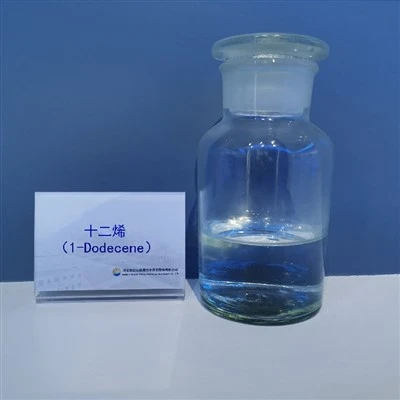
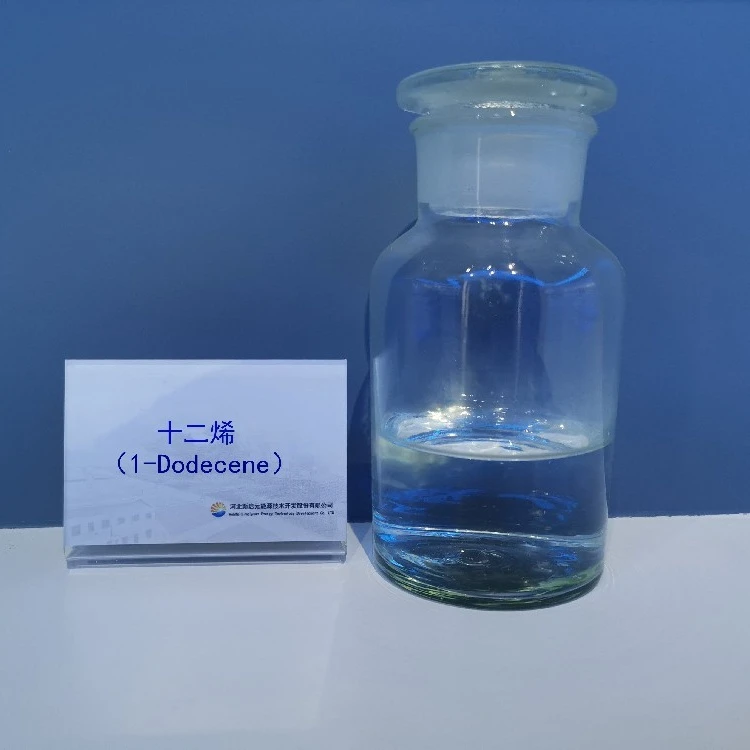
Surfactants are essential chemicals with a wide range of applications, from household detergents to industrial cleaning agents and personal care products. Their unique properties, such as reducing surface tension, emulsification, and foaming, make them indispensable in numerous industries. Industrial grade dodecene, specifically Dodecene CAS 25378 - 22 - 7, plays a crucial role in enhancing the properties of surfactants. As a leading supplier of Industrial Grade Dodecene CAS 25378 - 22 - 7, I am excited to delve into how this compound contributes to surfactant performance.
Chemical Structure and Properties of Industrial Grade Dodecene
Industrial grade dodecene is an olefin with twelve carbon atoms. Its chemical formula is C₁₂H₂₄, and it exists as a mixture of isomers. The presence of the double bond in its structure gives it unique reactivity. This unsaturated bond allows dodecene to undergo various chemical reactions, such as addition reactions and oxidation, which are fundamental in the synthesis of surfactants.
One of the key properties of dodecene is its hydrophobic nature. The long hydrocarbon chain in dodecene is non - polar, which means it has a low affinity for water. This hydrophobicity is a critical factor in surfactant design, as surfactants typically consist of a hydrophilic (water - loving) head and a hydrophobic (water - hating) tail.
Role in Surfactant Synthesis
Sulfonation
One of the most common ways industrial grade dodecene is used in surfactant production is through sulfonation. In this process, dodecene reacts with sulfur trioxide (SO₃) to form dodecene sulfonic acid. This acid can then be neutralized with a base, such as sodium hydroxide (NaOH), to produce sodium dodecene sulfonate, a well - known anionic surfactant.
The hydrophobic hydrocarbon chain of dodecene provides the tail of the surfactant molecule, while the sulfonate group (-SO₃⁻) forms the hydrophilic head. This combination allows the surfactant to adsorb at the interface between water and oil or air, reducing the surface tension and enabling emulsification and foaming.
Ethoxylation
Another important reaction is ethoxylation. Dodecene can react with ethylene oxide (EO) in the presence of a catalyst to form dodecyl ethoxylates. These are non - ionic surfactants, which are widely used in applications where mildness and low foaming are required, such as in personal care products.
The ethoxylation process adds a hydrophilic poly(ethylene oxide) chain to the hydrophobic dodecyl group. The length of the poly(ethylene oxide) chain can be controlled during the reaction, allowing for the customization of the surfactant's properties, such as solubility and cloud point.
Contribution to Surfactant Properties
Surface Tension Reduction
Surfactants are known for their ability to reduce the surface tension of liquids. Industrial grade dodecene - based surfactants are highly effective in this regard. The hydrophobic tail of the dodecyl group tends to orient itself away from the water phase, while the hydrophilic head remains in the water. This orientation disrupts the cohesive forces between water molecules at the surface, resulting in a significant reduction in surface tension.
For example, in laundry detergents, the reduction of surface tension allows the detergent to spread more easily on the fabric surface, enabling better penetration of dirt and stains. This leads to more efficient cleaning.
Emulsification
Emulsification is the process of dispersing one immiscible liquid (such as oil) in another (such as water). Dodecene - derived surfactants are excellent emulsifiers. The hydrophobic tail of the surfactant molecule can dissolve in the oil phase, while the hydrophilic head remains in the water phase. This forms a stable interface between the oil and water droplets, preventing them from coalescing.
In the food industry, emulsifiers based on dodecene - derived surfactants are used to create stable oil - in - water emulsions, such as mayonnaise and salad dressings. In the paint industry, they help to disperse pigments and binders, improving the quality and stability of the paint.
Foaming
Foaming is another important property of surfactants, especially in applications such as dishwashing liquids and shampoos. Dodecene - based surfactants can form stable foams. When a surfactant solution is agitated, the surfactant molecules adsorb at the air - water interface, forming a thin film that stabilizes the air bubbles.
The hydrophobic dodecyl chain provides a certain degree of rigidity to the foam film, preventing the bubbles from bursting too quickly. This results in a rich and long - lasting foam, which is desirable for consumer products as it gives the perception of good cleaning or cleansing power.
Comparison with Other Olefin - Based Surfactant Precursors
Nonene
Nonene CAS 124 - 11 - 8 is another olefin that can be used in surfactant synthesis. However, compared to dodecene, nonene has a shorter hydrocarbon chain. Surfactants derived from nonene may have different properties. For example, they may have lower hydrophobicity, which can affect their ability to form stable emulsions and reduce surface tension.
In general, dodecene - based surfactants are more effective in applications where strong hydrophobic interactions are required, such as in heavy - duty cleaning products.
Diisobutylene
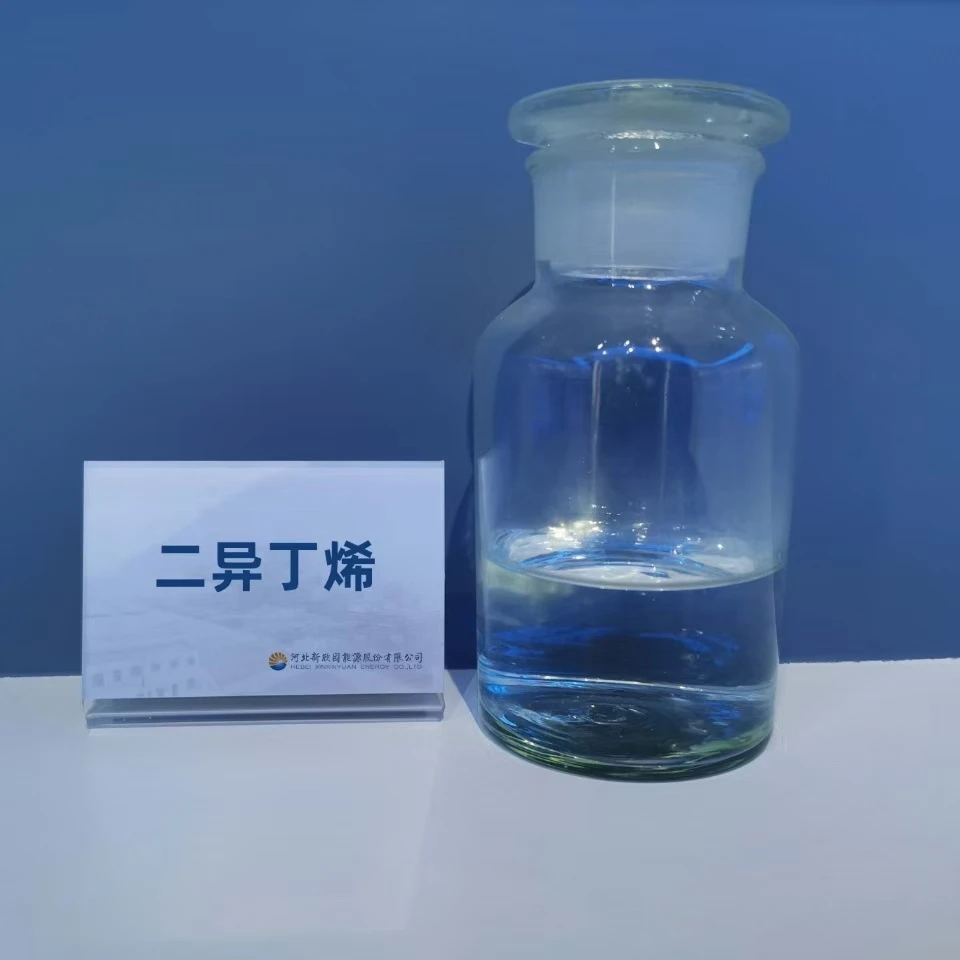
Both High Purity Diisobutylene CAS 25167 - 70 - 8 and Diisobutylene Isomer Mixture CAS 25167 - 70 - 8 are used in surfactant production. Diisobutylene has a more branched structure compared to dodecene. Surfactants derived from diisobutylene may have different solubility and foaming properties.
Branched - chain surfactants are often more soluble in hard water and have lower foaming tendencies. In contrast, dodecene - based surfactants, with their linear hydrocarbon chains, can provide better surface - active properties in terms of surface tension reduction and foam stability.
Applications of Dodecene - Based Surfactants
Household Cleaning Products
In household cleaning products, such as laundry detergents, dishwashing liquids, and all - purpose cleaners, dodecene - based surfactants are widely used. Their ability to reduce surface tension, emulsify dirt and grease, and produce stable foams makes them ideal for these applications. They can effectively remove a variety of stains and soils, leaving surfaces clean and fresh.
Personal Care Products
In personal care products, such as shampoos, body washes, and facial cleansers, dodecene - derived non - ionic and anionic surfactants are used. These surfactants are mild to the skin and hair, while still providing good cleansing and foaming properties. They can remove dirt, oil, and impurities without causing excessive dryness or irritation.
Industrial Cleaning and Lubrication
In industrial settings, dodecene - based surfactants are used in metal cleaning, degreasing, and lubrication. They can effectively remove heavy - duty oils, greases, and contaminants from metal surfaces. In addition, they can act as emulsifiers in metalworking fluids, improving the lubrication and cooling performance.
Conclusion
Industrial grade dodecene is a valuable raw material in the production of surfactants. Its unique chemical structure and properties, such as hydrophobicity and reactivity, make it an ideal precursor for a wide range of surfactant types. Dodecene - based surfactants contribute significantly to surfactant properties, including surface tension reduction, emulsification, and foaming.
As a supplier of industrial grade dodecene, I understand the importance of providing high - quality products to meet the diverse needs of the surfactant industry. If you are interested in purchasing industrial grade dodecene for your surfactant production, please feel free to contact us for more information and to discuss your specific requirements.
References
- Rosen, M. J., & Kunjappu, J. T. (2012). Surfactants and Interfacial Phenomena. John Wiley & Sons.
- Myers, D. (2011). Surfactant Science and Technology. John Wiley & Sons.
- Holmberg, K., Jönsson, B., Kronberg, B., & Lindman, B. (2002). Surfactants and Polymers in Aqueous Solution. John Wiley & Sons.