Hey there! As a supplier of organophosphorus flame retardants, I often get asked whether these bad boys can be used in automotive interiors. It's a question that's been buzzing around the industry for a while, and today, I'm gonna break it down for you.
Understanding Organophosphorus Flame Retardants
First off, let's talk a bit about what organophosphorus flame retardants are. These are chemicals that contain phosphorus and are used to reduce the flammability of materials. They work by either releasing phosphorus-containing compounds that react with the free radicals in the flame, or by forming a protective char layer on the surface of the material, which acts as a barrier between the flame and the fuel source.
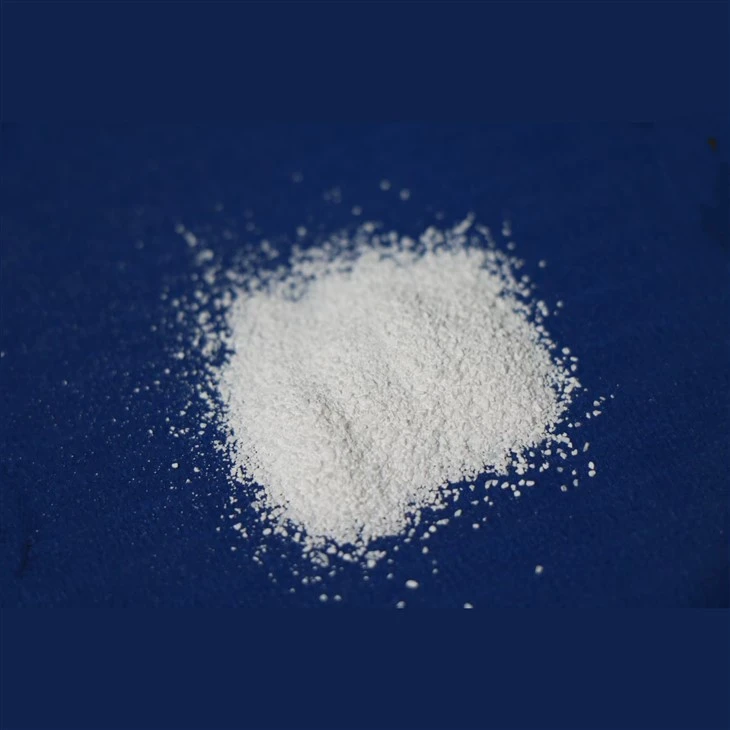
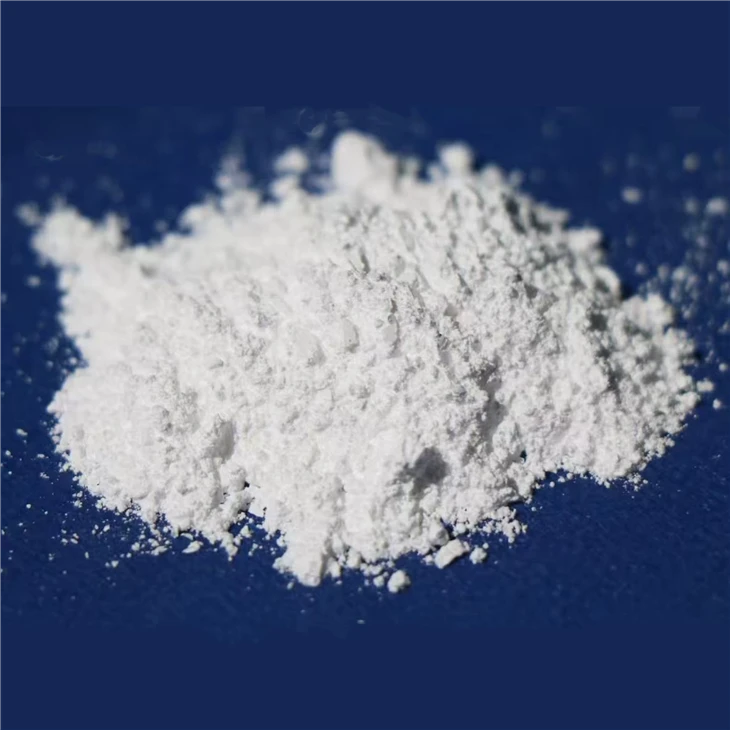
There are different types of organophosphorus flame retardants, and they come with their own set of properties and advantages. For example, some are more thermally stable, while others are more compatible with certain polymers. And that's where we come in. Our range of organophosphorus flame retardants includes Aluminum Diisobutylphosphinate For Polyamide CAS 873651 - 85 - 5, Flame Retardant For UHMWPE CAS 873651 - 85 - 5, Ultra - fine Aluminum Diisobutylphosphinate ZM - 1 CAS 873651 - 85 - 5, ABS - Grade Aluminum Diisobutylphosphinate Flame Retardant CAS 873651 - 85 - 5, and Aluminum Diisobutylphosphinate ZM - 1 CAS 873651 - 85 - 5. Each of these products is designed to meet specific requirements in different applications.
The Case for Using Organophosphorus Flame Retardants in Automotive Interiors
Now, let's get to the main question: Can organophosphorus flame retardants be used in automotive interiors? The short answer is yes, and here's why.
1. Safety First
Safety is the number one concern in the automotive industry. In the event of a fire, having flame - retardant materials in the interior can significantly reduce the spread of the fire, giving passengers more time to escape. Organophosphorus flame retardants are highly effective at reducing the flammability of materials commonly used in automotive interiors, such as plastics, textiles, and foams.
2. Performance
These flame retardants offer good performance characteristics. They can be easily incorporated into different polymers without significantly affecting the mechanical properties of the materials. This means that the automotive parts can still maintain their strength, flexibility, and other important properties while being flame - retardant.
3. Environmental Considerations
Compared to some other types of flame retardants, such as halogenated flame retardants, organophosphorus flame retardants are generally considered to be more environmentally friendly. They don't release toxic and persistent chemicals into the environment during production, use, or disposal.
Challenges and Considerations
Of course, it's not all sunshine and rainbows. There are some challenges and considerations when it comes to using organophosphorus flame retardants in automotive interiors.
1. Compatibility
Not all organophosphorus flame retardants are compatible with every type of polymer used in automotive interiors. It's crucial to select the right flame retardant for the specific material to ensure good dispersion and performance. Otherwise, you might end up with issues like poor mechanical properties or reduced flame - retardant effectiveness.
2. Regulations
The automotive industry is highly regulated, and there are strict standards for the use of materials in automotive interiors, including flame retardants. Different regions may have different regulations regarding the types of flame retardants that can be used, their maximum allowable concentrations, and their environmental impact. It's essential to stay up - to - date with these regulations to avoid any legal issues.
3. Cost
Using organophosphorus flame retardants can add to the cost of production. However, considering the benefits in terms of safety and performance, the cost can often be justified. It's all about finding the right balance between cost and quality.
Our Solutions
As a supplier, we understand these challenges, and we're here to help. Our team of experts can work with you to select the most suitable organophosphorus flame retardant for your automotive interior applications. We offer a wide range of products with different properties and performance levels, so you can find the perfect fit for your needs.
We also stay on top of the latest regulations and industry standards. Our products are designed to meet or exceed these requirements, giving you peace of mind knowing that you're using a compliant and high - quality flame retardant.
In addition, we're committed to providing excellent customer service. We can offer technical support, samples for testing, and competitive pricing. Whether you're a small automotive parts manufacturer or a large automotive brand, we're ready to work with you.
Conclusion
So, to sum it up, organophosphorus flame retardants can definitely be used in automotive interiors. They offer a great combination of safety, performance, and environmental friendliness. While there are some challenges, with the right selection and support, these can be easily overcome.
If you're in the automotive industry and looking for a reliable organophosphorus flame retardant supplier, we'd love to hear from you. Let's start a conversation about how our products can meet your specific needs and help you create safer and more high - quality automotive interiors.
References
- "Flame Retardants in Automotive Applications" - Automotive Industry magazine
- "Organophosphorus Flame Retardants: Properties and Applications" - Journal of Fire Science and Technology
- Regulatory documents from relevant automotive and environmental agencies.