Are there any health and safety guidelines for workers handling Micronized ABPA flame retardant?
As a supplier of Micronized ABPA flame retardant, I understand the importance of ensuring the health and safety of workers who handle our products. Micronized ABPA flame retardants are widely used in various industries due to their excellent flame - retardant properties. However, like any chemical substance, proper handling is crucial to prevent potential health risks.
Physical and Chemical Properties of Micronized ABPA Flame Retardant
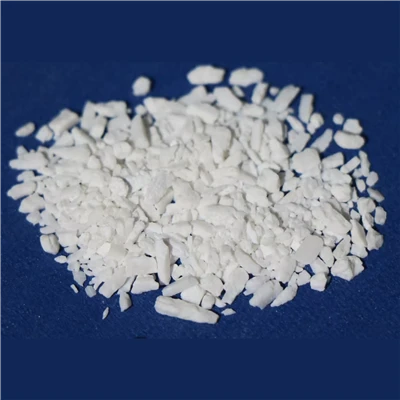
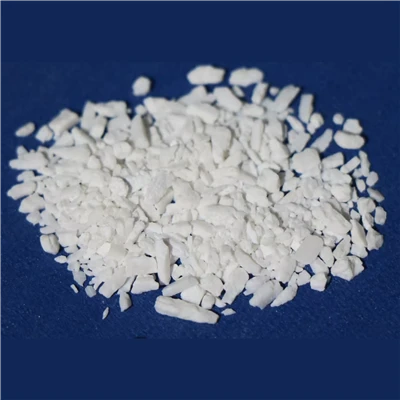
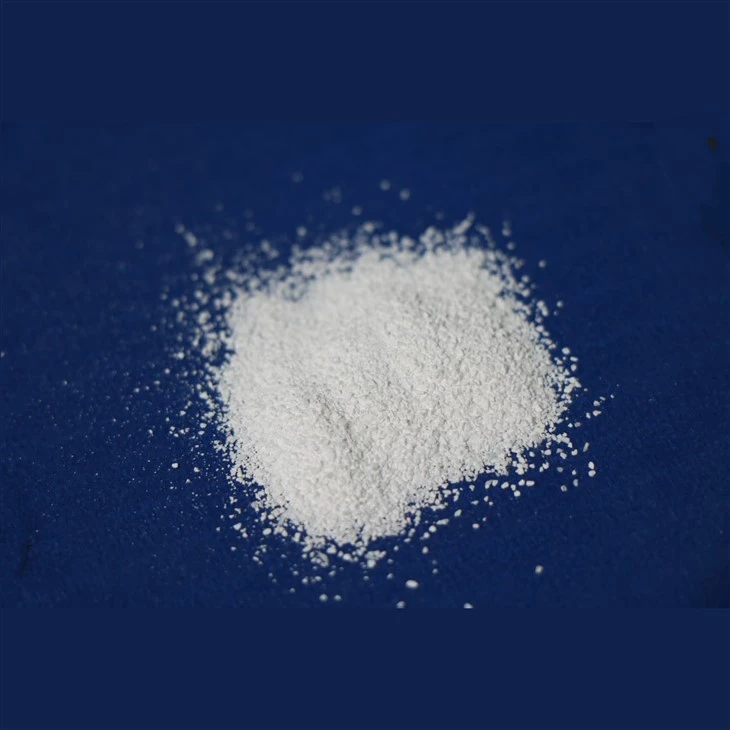
Micronized ABPA flame retardants are typically fine - powdered substances. Their small particle size can pose inhalation risks. These retardants are often stable under normal conditions, but they may react with certain substances under specific circumstances. For example, in the presence of strong acids or bases, there could be chemical reactions that release harmful by - products.
Health Risks Associated with Handling
- Inhalation: The most significant health risk when handling Micronized ABPA flame retardant is inhalation. Inhaling fine particles can lead to respiratory problems. Workers may experience coughing, shortness of breath, and in severe cases, long - term lung damage. Some studies have suggested that chronic inhalation of certain flame retardants may be associated with an increased risk of developing respiratory diseases such as asthma and chronic obstructive pulmonary disease (COPD).
- Skin Contact: Prolonged or repeated skin contact with Micronized ABPA flame retardant can cause irritation. This may manifest as redness, itching, and in some cases, dermatitis. Workers should be aware that certain individuals may be more sensitive to the chemical, and skin reactions can vary from person to person.
- Eye Contact: If the powder comes into contact with the eyes, it can cause irritation, pain, and even damage to the cornea. Immediate and proper first - aid measures are necessary in case of eye exposure.
Health and Safety Guidelines
- Personal Protective Equipment (PPE):
- Respiratory Protection: Workers should wear appropriate respiratory protection, such as N95 respirators or more advanced particulate respirators. These respirators can effectively filter out the fine particles of the Micronized ABPA flame retardant, reducing the risk of inhalation.
- Skin Protection: Wearing long - sleeved shirts, long pants, and chemical - resistant gloves can prevent skin contact. Additionally, workers should consider using protective aprons to further minimize the risk of chemical splashes on their bodies.
- Eye Protection: Safety goggles or face shields should be worn at all times to protect the eyes from potential splashes or airborne particles.
- Handling Procedures:
- Ventilation: Adequate ventilation is essential in the work area. Local exhaust ventilation systems should be installed to remove airborne particles. If possible, work should be carried out in a well - ventilated area or under a fume hood.
- Avoiding Dust Generation: When handling the Micronized ABPA flame retardant, measures should be taken to minimize dust generation. For example, using wet methods for cleaning and handling can help reduce the amount of airborne particles.
- Proper Storage: The flame retardant should be stored in a cool, dry place, away from sources of heat, ignition, and incompatible substances. Containers should be tightly sealed to prevent leakage and dust escape.
- Training and Education:
- All workers handling Micronized ABPA flame retardant should receive comprehensive training on its properties, potential health risks, and proper handling procedures. This training should be updated regularly to ensure that workers are aware of the latest safety information.
- Workers should also be educated on first - aid measures in case of exposure. For example, in case of inhalation, they should be instructed to move to a well - ventilated area immediately. In case of skin contact, they should wash the affected area with plenty of water.
Our Product Range
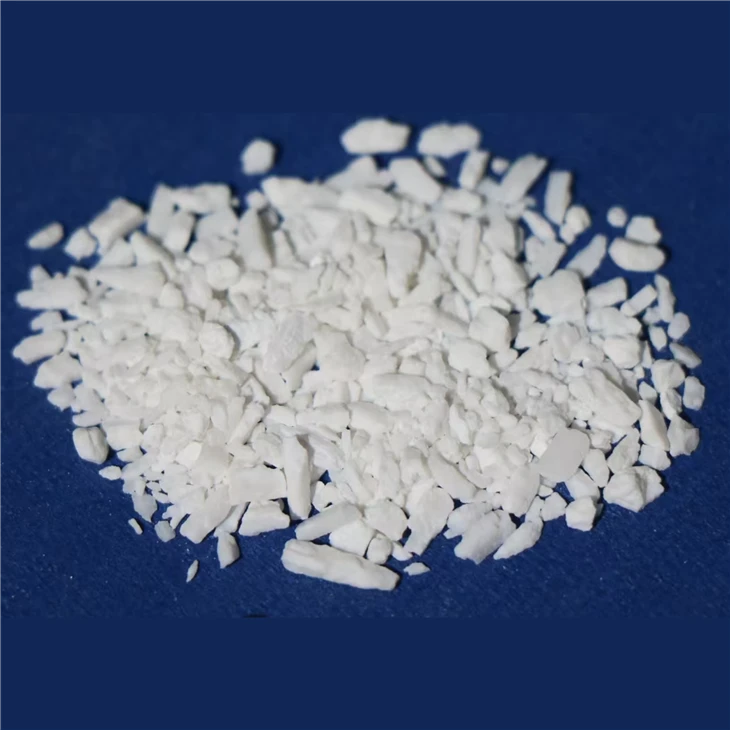
We offer a variety of Micronized ABPA flame retardants, each with its own unique properties and applications. Here are some of our products:
- Aluminum Diisobutylphosphinate HD13 - 1 CAS 873651 - 85 - 5: This product is known for its high - efficiency flame - retardant performance and is suitable for a wide range of applications.
- Ultra - fine Aluminum Diisobutylphosphinate ZM - 1 CAS 873651 - 85 - 5: With its ultra - fine particle size, it offers better dispersion and compatibility in various materials.
- Aluminum Diisobutylphosphinate D - 13 CAS 873651 - 85 - 5: This product is designed for specific applications where high - temperature stability is required.
- ABS - Grade Aluminum Diisobutylphosphinate Flame Retardant CAS 873651 - 85 - 5: It is specially formulated for use in ABS plastics, providing excellent flame - retardant properties.
- Flame Retardant For UHMWPE CAS 873651 - 85 - 5: This product is tailored for ultra - high - molecular - weight polyethylene, enhancing its fire - resistance.
Conclusion
Ensuring the health and safety of workers handling Micronized ABPA flame retardant is of utmost importance. By following the proper health and safety guidelines, including the use of PPE, proper handling procedures, and adequate training, the risks associated with handling these substances can be significantly reduced. As a supplier, we are committed to providing high - quality products and relevant safety information to our customers.
If you are interested in our Micronized ABPA flame retardants or have any questions regarding their use and safety, we encourage you to contact us for further discussion and potential procurement. Our team of experts is ready to assist you in finding the most suitable product for your specific needs.
References
- Occupational Safety and Health Administration (OSHA). Guidelines for handling chemical substances.
- Chemical Safety Data Sheets for Micronized ABPA flame retardants.
- Research studies on the health effects of flame retardants in industrial settings.