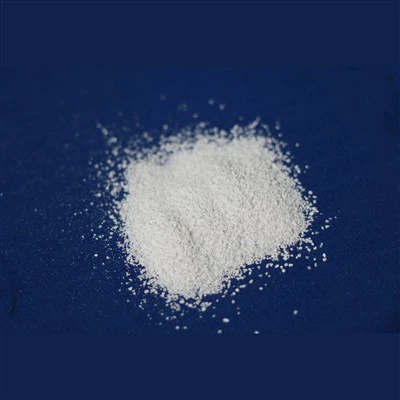
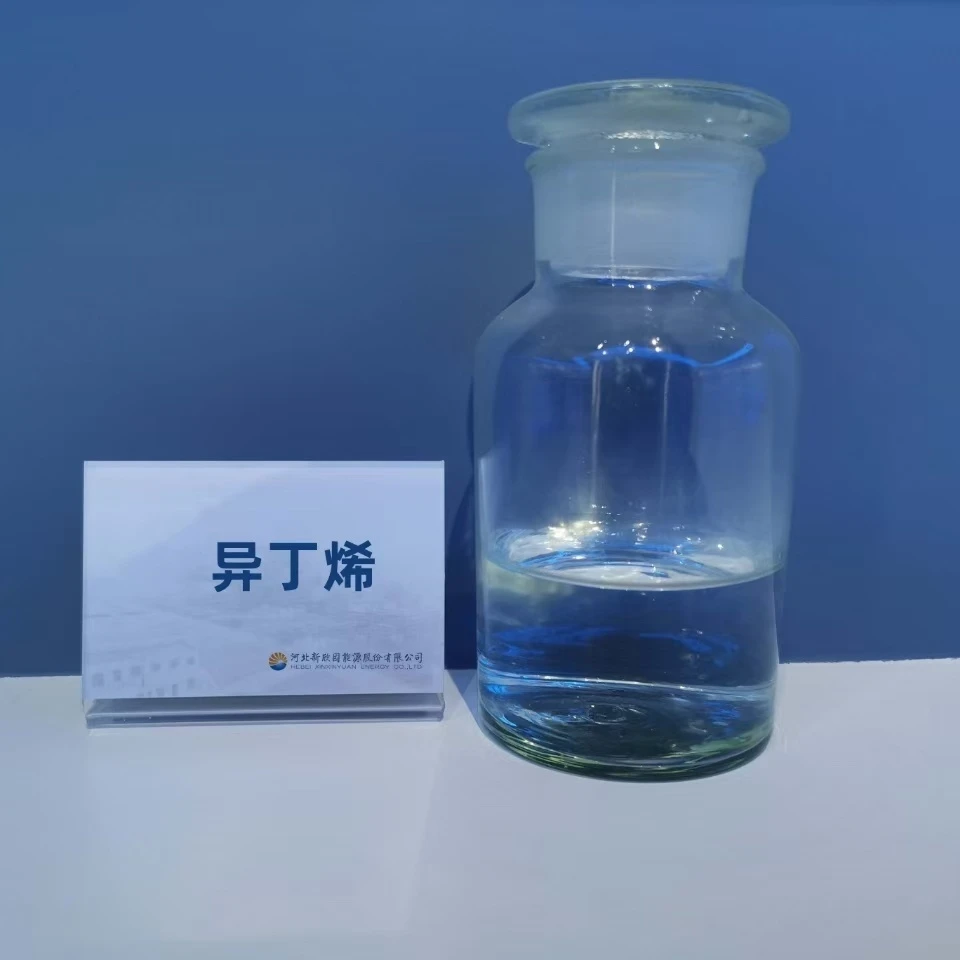
Diisobutylene isomeric mixture is a crucial chemical compound with a wide range of applications in various industries. As a supplier of Diisobutylene isomeric mixture, I am well - versed in its chemical properties, which play a significant role in determining its uses and market demand.
1. Composition and Structure
Diisobutylene isomeric mixture mainly consists of isomers of diisobutylene. It is formed through the dimerization of isobutylene Isobutylene CAS 115 - 11 - 7. The most common isomers are 2,4,4 - trimethyl - 1 - pentene and 2,4,4 - trimethyl - 2 - pentene. These isomers have the same molecular formula (C_8H_{16}), but different structural arrangements. The presence of the double bond in their structure makes them unsaturated hydrocarbons, which endows them with unique chemical reactivities.
2. Reactivity with Halogens
One of the prominent chemical properties of Diisobutylene isomeric mixture is its reactivity with halogens. Due to the presence of the carbon - carbon double bond, it can undergo addition reactions with halogens such as chlorine ((Cl_2)) and bromine ((Br_2)). For example, when Diisobutylene isomeric mixture reacts with bromine in an organic solvent like carbon tetrachloride ((CCl_4)), the red - brown color of bromine quickly disappears as the bromine atoms add across the double bond. The reaction can be represented as follows:
(C_8H_{16}+Br_2\rightarrow C_8H_{16}Br_2)
This reaction is often used as a test for unsaturation in organic compounds. The addition of halogens to Diisobutylene isomeric mixture can also lead to the formation of useful intermediates for the synthesis of other chemicals.
3. Hydrogenation
Diisobutylene isomeric mixture can be hydrogenated in the presence of a suitable catalyst, such as nickel or platinum. Hydrogenation is an addition reaction where hydrogen ((H_2)) is added across the carbon - carbon double bond, converting the unsaturated Diisobutylene into a saturated hydrocarbon, octane ((C_8H_{18})). The reaction is carried out under specific temperature and pressure conditions:
(C_8H_{16}+H_2\xrightarrow[\text{Pressure, Temperature}]{\text{Catalyst}}C_8H_{18})
This hydrogenation process is important in the production of high - quality fuels. The saturated octane has better combustion characteristics compared to the unsaturated Diisobutylene, and can be used as a component in gasoline blends to improve the octane rating.
4. Oxidation
Oxidation reactions of Diisobutylene isomeric mixture are also significant. It can be oxidized by strong oxidizing agents such as potassium permanganate ((KMnO_4)) or ozone ((O_3)). When oxidized by potassium permanganate in an alkaline medium, the double bond in Diisobutylene is cleaved, and carboxylic acids or ketones are formed depending on the structure of the isomer.
For example, if the double bond is at the end of the carbon chain (as in 2,4,4 - trimethyl - 1 - pentene), the oxidation product may include formic acid and a ketone. Oxidation with ozone, known as ozonolysis, is a more selective reaction. The ozonolysis of Diisobutylene isomeric mixture can lead to the formation of aldehydes and ketones, which are important intermediates in the synthesis of various organic compounds.
5. Polymerization
Diisobutylene isomeric mixture can undergo polymerization reactions. The double bond in the molecule can act as a reactive site for the formation of polymers. In the presence of a suitable initiator, such as a free - radical initiator, the Diisobutylene monomers can link together to form polymers. These polymers have different properties depending on the reaction conditions and the type of isomers present in the mixture.
The polymers derived from Diisobutylene isomeric mixture can be used in the production of adhesives, sealants, and elastomers. They have good flexibility and chemical resistance, which make them suitable for a variety of industrial applications.
6. Reaction with Acids
Diisobutylene isomeric mixture can react with strong acids such as sulfuric acid ((H_2SO_4)). The reaction is an addition reaction where the acid adds across the double bond. For example, when Diisobutylene reacts with sulfuric acid, an alkyl hydrogen sulfate is formed initially. This intermediate can then be hydrolyzed to form an alcohol.
(C_8H_{16}+H_2SO_4\rightarrow C_8H_{17}OSO_3H)
(C_8H_{17}OSO_3H + H_2O\rightarrow C_8H_{17}OH + H_2SO_4)
The alcohols produced from this reaction can be used in the synthesis of surfactants, lubricants, and other chemical products.
7. Applications Based on Chemical Properties
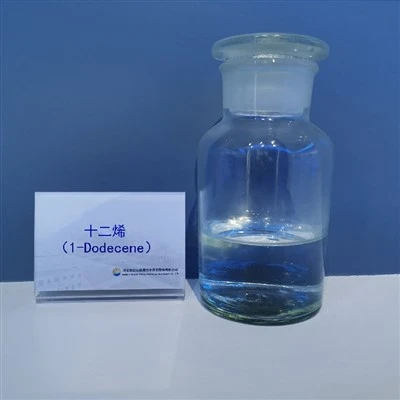
The chemical properties of Diisobutylene isomeric mixture make it a valuable raw material in many industries. In the petrochemical industry, it is used as an intermediate for the production of Octene CAS 111 - 67 - 1, Nonene CAS 124 - 11 - 8, and Industrial Grade Dodecene CAS 25378 - 22 - 7 through further reactions. These olefins are used in the production of detergents, plastics, and synthetic rubbers.
In the fuel industry, the hydrogenation product of Diisobutylene isomeric mixture can be used to improve the quality of gasoline. The polymers derived from Diisobutylene are used in the automotive and construction industries for the production of gaskets, hoses, and other rubber - like products.
8. Importance of Quality in the Chemical Properties
As a supplier of Diisobutylene isomeric mixture, I understand the importance of maintaining high - quality products. The chemical properties of Diisobutylene can be affected by the purity of the mixture and the ratio of different isomers. A high - purity Diisobutylene isomeric mixture will have more consistent and predictable chemical reactivities, which is crucial for the success of downstream processes.
We ensure that our Diisobutylene isomeric mixture meets strict quality standards through advanced production and purification techniques. This allows our customers to achieve better results in their chemical reactions and product manufacturing.
9. Conclusion and Call to Action
In conclusion, the chemical properties of Diisobutylene isomeric mixture, including its reactivity with halogens, hydrogenation, oxidation, polymerization, and reaction with acids, make it a versatile and valuable chemical compound. Its applications span across multiple industries, from petrochemicals to fuels and polymers.
If you are in need of high - quality Diisobutylene isomeric mixture for your industrial processes, we are here to provide you with the best products. Our in - depth knowledge of its chemical properties allows us to offer customized solutions to meet your specific requirements. Contact us to start a procurement discussion and explore how our Diisobutylene CAS 25167 - 70 - 8 can enhance your production processes.
References
- Morrison, R. T., & Boyd, R. N. (1992). Organic Chemistry. Prentice - Hall.
- Carey, F. A., & Sundberg, R. J. (2007). Advanced Organic Chemistry. Springer.