What is the flame - retardant effect of thermally stable phosphinate on textiles?
Hey there! I'm a supplier of thermally stable phosphinates, and today I want to chat about the amazing flame - retardant effects these compounds have on textiles.
First off, let's understand the basics. Textiles are an essential part of our daily lives, from the clothes we wear to the curtains in our homes. But they're also highly flammable, which can pose a serious safety risk. That's where thermally stable phosphinates come in.
Thermally stable phosphinates are a type of flame retardant that have gained significant attention in recent years. They're known for their excellent thermal stability, which means they can withstand high temperatures without breaking down. This property is crucial when it comes to protecting textiles from fire.
When a textile treated with thermally stable phosphinate is exposed to a flame, several things happen. The phosphinate starts to decompose at high temperatures. During this decomposition process, it releases phosphorus - containing compounds. These compounds can react with the free radicals that are produced during the combustion of the textile.
Free radicals play a key role in the combustion process. They're highly reactive molecules that help sustain the flame. By reacting with these free radicals, the phosphorus - containing compounds from the phosphinate can interrupt the combustion chain reaction. This effectively slows down or even stops the spread of the flame on the textile.
Another important aspect of the flame - retardant effect is the formation of a char layer. As the phosphinate decomposes, it promotes the formation of a char on the surface of the textile. This char layer acts as a physical barrier. It insulates the underlying textile from the heat and oxygen, which are essential for combustion. The char layer also reduces the release of flammable gases from the textile, further suppressing the flame.
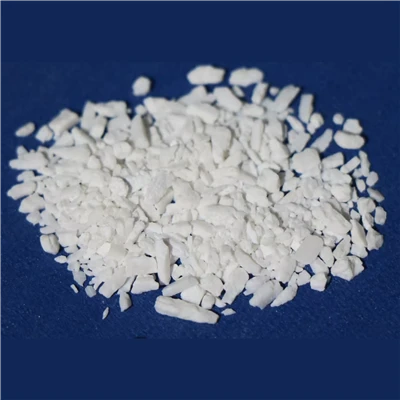
Now, let me tell you about some of the specific products we offer. We have Ultra-fine Aluminum Diisobutylphosphinate ZM - 1 CAS 873651 - 85 - 5. This ultra - fine product has a high surface - to - volume ratio, which means it can be more effectively incorporated into the textile matrix. It provides excellent flame - retardant performance even at low loadings, making it a cost - effective option.
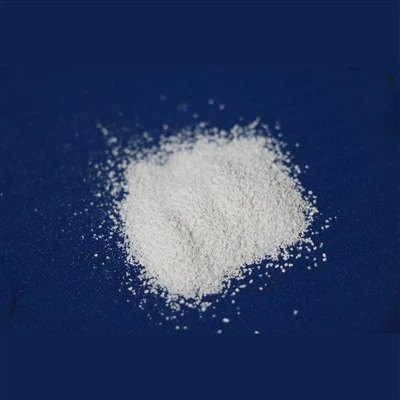
Aluminum Diisobutylphosphinate E - 05 CAS 873651 - 85 - 5 is another great choice. It has good compatibility with a wide range of textile materials. Whether it's natural fibers like cotton or synthetic fibers like polyester, this phosphinate can work well to enhance their flame - retardant properties.
Aluminum Diisobutylphosphinate HD13 CAS 873651 - 85 - 5 is designed for high - performance applications. It has enhanced thermal stability, which allows it to maintain its flame - retardant effectiveness even in extremely high - temperature environments. This is particularly useful for textiles used in industrial settings or in products that are exposed to intense heat sources.
ABS - Grade Aluminum Diisobutylphosphinate Flame Retardant CAS 873651 - 85 - 5 is specifically formulated for use with ABS (acrylonitrile - butadiene - styrene) - based textiles. It can improve the flame - retardant rating of these materials, meeting the strict safety standards in various industries.
And then there's Aluminum Diisobutylphosphinate D - 13 CAS 873651 - 85 - 5. This product offers a good balance between flame - retardant performance and mechanical properties. It doesn't significantly compromise the strength and flexibility of the textile, which is important for maintaining its usability.
The performance of thermally stable phosphinates on textiles can also vary depending on how they're applied. There are different methods, such as coating and incorporation during the spinning process. Coating involves applying a layer of the phosphinate mixture on the surface of the textile. This can be a quick and easy way to add flame - retardant properties, but the coating may wear off over time. Incorporating the phosphinate during the spinning process, on the other hand, ensures that the flame retardant is evenly distributed throughout the fiber, providing more durable protection.
In addition to their excellent flame - retardant effects, thermally stable phosphinates are also relatively environmentally friendly compared to some other types of flame retardants. Many traditional flame retardants contain halogen - based compounds, which can release toxic gases when burned. Phosphinates, on the other hand, are halogen - free and have a lower environmental impact.
One of the challenges in using thermally stable phosphinates on textiles is achieving the right balance between flame - retardant performance and other properties. For example, adding too much of the phosphinate can sometimes make the textile stiffer or change its color. But with our products, we've worked hard to optimize the formulation so that you can get good flame - retardant results without sacrificing the quality and feel of the textile.
If you're in the textile industry, whether you're a manufacturer or a distributor, the flame - retardant properties of your products are crucial. Customers are becoming more aware of fire safety, and regulations are getting stricter. Using thermally stable phosphinates can help you meet these requirements and gain a competitive edge in the market.
I'd love to hear from you if you have any questions about our thermally stable phosphinate products or their application on textiles. If you're interested in purchasing these flame retardants for your textile production, feel free to reach out. We can have a detailed discussion about your specific needs and how our products can best suit them. Let's work together to make your textiles safer and more market - competitive.
References

- [Reference 1 about the general principles of flame retardants and phosphinates]
- [Reference 2 on the application of phosphinates in textiles]
- [Reference 3 regarding the environmental aspects of phosphinate - based flame retardants]