Thermally stable phosphinates have emerged as crucial flame retardants in various industries, offering excellent thermal stability and flame - retarding properties. As a supplier of thermally stable phosphinates, I am often asked about how these remarkable substances achieve thermal stability. In this blog post, I will delve into the scientific mechanisms behind the thermal stability of phosphinates, and introduce some of our high - quality products.
Chemical Structure and Bonding
The chemical structure of phosphinates plays a fundamental role in their thermal stability. Phosphinates are organophosphorus compounds containing a phosphorus atom bonded to an organic group and an oxygen atom. The general formula of phosphinates is R₂P(O)O⁻, where R represents an organic group.
The P - C bond in phosphinates is relatively strong. This bond is resistant to thermal degradation because it has a high bond dissociation energy. When exposed to heat, the P - C bond does not break easily, maintaining the structural integrity of the phosphinate molecule. For example, in alkyl phosphinates, the carbon - phosphorus bond provides a stable backbone that can withstand elevated temperatures without immediate decomposition.
Moreover, the phosphorus - oxygen double bond (P = O) and the phosphorus - oxygen single bond (P - O) in the phosphinate group also contribute to thermal stability. The P = O bond is a strong covalent bond, and its resonance structures further enhance the stability of the molecule. The P - O bond can form stable complexes with metal ions in some cases, such as aluminum phosphinates, which we will discuss later.
Metal Chelation
Metal phosphinates are a common type of thermally stable phosphinates. Aluminum diisobutylphosphinate is a prime example. When phosphinates form complexes with metals like aluminum, the thermal stability is significantly improved.
The metal ion acts as a cross - linker between multiple phosphinate anions. In aluminum diisobutylphosphinate, the aluminum ion coordinates with three phosphinate anions. This coordination creates a three - dimensional network structure. The network structure restricts the movement of the phosphinate molecules and makes it more difficult for them to decompose under heat.
The metal - phosphinate complex also undergoes a series of endothermic reactions during heating. For instance, when heated, the aluminum phosphinate may release water or other volatile substances through dehydration or decomposition reactions. These endothermic processes absorb heat from the surrounding environment, effectively reducing the temperature of the material and delaying its thermal degradation.
Char Formation
One of the key mechanisms by which thermally stable phosphinates achieve thermal stability is through char formation. When a material containing phosphinates is exposed to high temperatures, the phosphinates promote the formation of a char layer on the surface of the material.
During the combustion or heating process, the phosphinate decomposes and releases phosphorus - containing radicals. These radicals react with the polymer matrix or other components in the material to form a carbonaceous char layer. The char layer acts as a physical barrier that insulates the underlying material from heat, oxygen, and volatile combustible products.
The char layer is rich in phosphorus compounds, which further enhance its thermal stability. The phosphorus in the char can form stable phosphate or polyphosphate structures, which have high melting points and are resistant to further oxidation. This char layer effectively slows down the heat transfer and the spread of combustion, protecting the material from complete destruction.
Our High - Quality Thermally Stable Phosphinates
As a leading supplier of thermally stable phosphinates, we offer a wide range of high - quality products to meet the diverse needs of our customers. Here are some of our featured products:
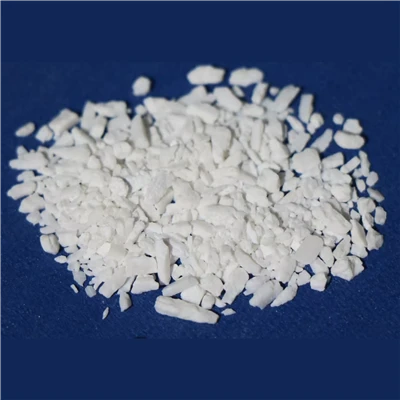
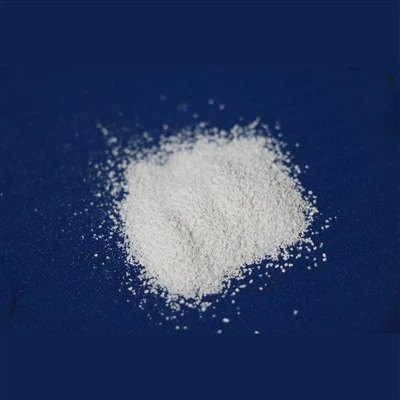
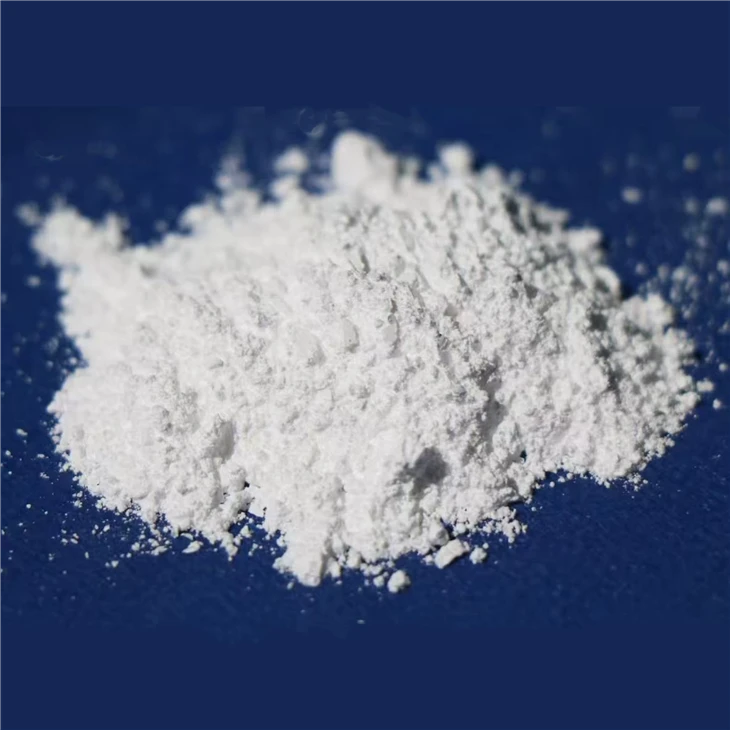
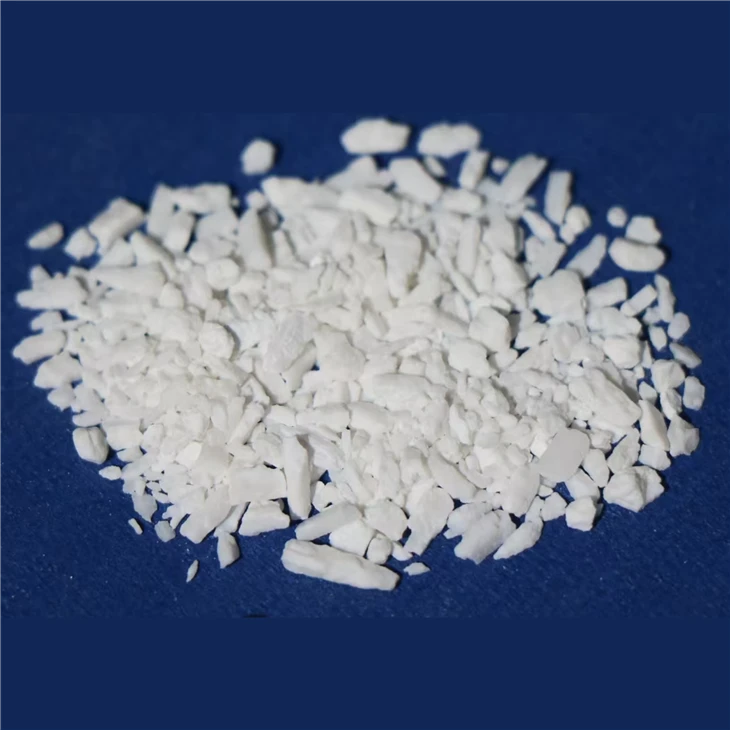
- Ultra - fine Aluminum Diisobutylphosphinate ZM - 1 CAS 873651 - 85 - 5: This product has an ultra - fine particle size, which allows for better dispersion in polymers. It provides excellent flame - retardant performance and thermal stability, and is suitable for a variety of applications.
- Aluminum Diisobutylphosphinate D - 13 CAS 873651 - 85 - 5: With its high purity and consistent quality, Aluminum Diisobutylphosphinate D - 13 is a reliable choice for flame - retardant applications. It can significantly improve the thermal stability of polymers and reduce their flammability.
- Aluminum Diisobutylphosphinate HD13 - 1 CAS 873651 - 85 - 5: This product is designed for high - performance applications. It has enhanced thermal stability and can withstand extreme temperatures, making it ideal for use in engineering plastics and other demanding materials.
- ABS - Grade Aluminum Diisobutylphosphinate Flame Retardant CAS 873651 - 85 - 5: Specifically formulated for acrylonitrile - butadiene - styrene (ABS) polymers, this flame retardant provides excellent compatibility and thermal stability. It can effectively improve the flame - retardant properties of ABS materials without sacrificing their mechanical properties.
- Aluminum Diisobutylphosphinate E - 05 CAS 873651 - 85 - 5: Aluminum Diisobutylphosphinate E - 05 offers a balance of thermal stability, flame - retardancy, and cost - effectiveness. It is a versatile product that can be used in a wide range of polymer systems.
Conclusion
Thermally stable phosphinates achieve their thermal stability through a combination of factors, including their chemical structure, metal chelation, and the promotion of char formation. These mechanisms work together to protect materials from thermal degradation and combustion, making phosphinates essential flame retardants in many industries.
If you are interested in our thermally stable phosphinate products or want to discuss your specific requirements, please feel free to contact us. We are committed to providing high - quality products and professional technical support to help you meet your flame - retardant needs.
References
- Weil, E. D., & Levchik, S. V. (Eds.). (2009). Fire retardancy of polymeric materials. CRC press.
- Schartel, B., & Hull, T. R. (2007). Polymer nanocomposites for fire retardancy. The Royal Society of Chemistry.