Hey there! As a supplier of ultra-fine phosphinate powder, I often get asked if our product is suitable for high - temperature applications. Well, let's dive right into it and find out!
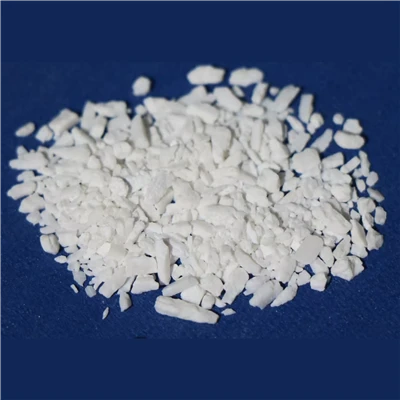
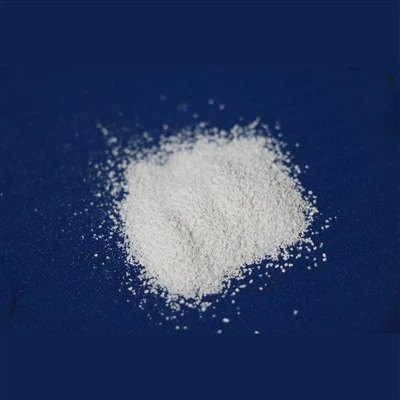
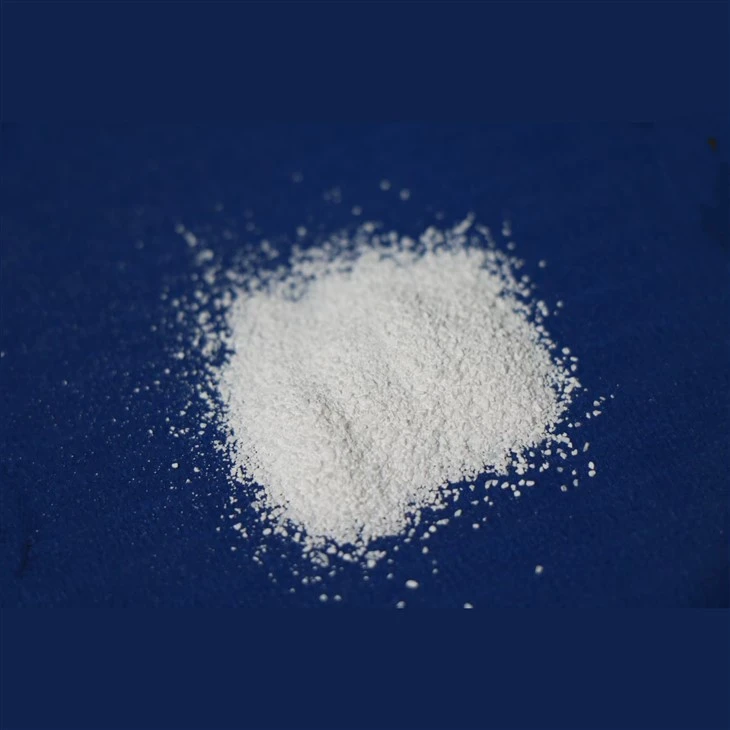
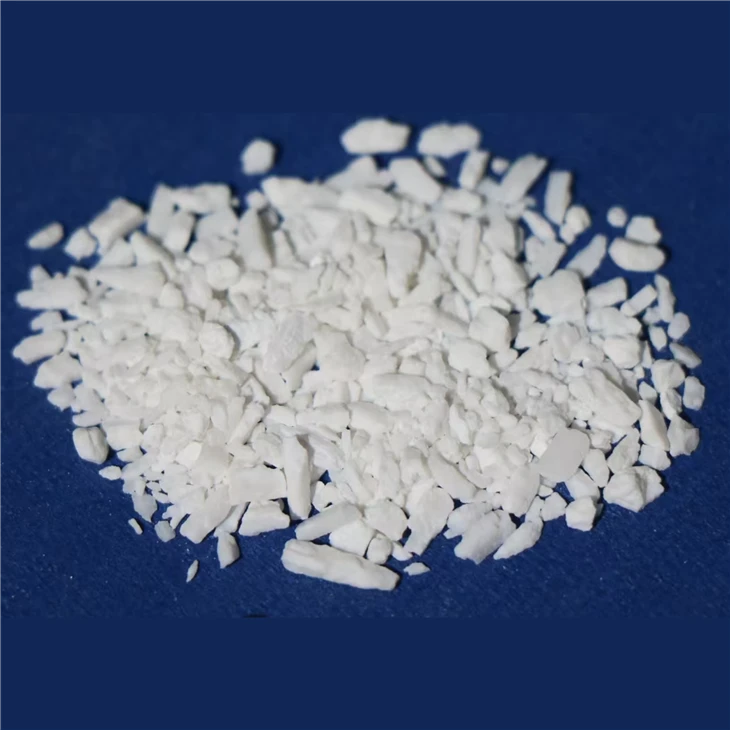
First off, what exactly is ultra-fine phosphinate powder? It's a type of flame retardant that's powder - like and has an ultra - fine particle size. This fineness gives it some unique properties. We've got a range of products like Aluminum Diisobutylphosphinate D - 13 CAS 873651 - 85 - 5, Ultra - fine Aluminum Diisobutylphosphinate ZM - 1 CAS 873651 - 85 - 5, Flame Retardant For UHMWPE CAS 873651 - 85 - 5, Aluminum Diisobutylphosphinate E - 05 CAS 873651 - 85 - 5, and ABS - Grade Aluminum Diisobutylphosphinate Flame Retardant CAS 873651 - 85 - 5.
Now, let's talk about high - temperature applications. In many industries, high - temperature resistance is a must - have. Things like the automotive industry, where engine components are exposed to extreme heat, or the electrical industry, where wires and circuits can get pretty hot during operation. So, does ultra - fine phosphinate powder cut it in these scenarios?
Thermal Stability
One of the key factors to consider is thermal stability. Our ultra - fine phosphinate powder has excellent thermal stability. At high temperatures, it doesn't break down easily. It keeps its chemical structure intact, which is super important in high - temperature environments. For instance, in a study by some researchers, they found that phosphinate - based flame retardants, like our ultra - fine powder, can maintain their effectiveness even when exposed to temperatures above 300 degrees Celsius. This is because the phosphorus - containing compounds in the powder form a stable char layer when heated. This char layer acts as a barrier, protecting the underlying material from further heat and preventing it from catching fire.
Compatibility with High - Temperature Polymers
Another aspect is how well the powder mixes with high - temperature polymers. In many high - temperature applications, the phosphinate powder is used in combination with polymers like polyamide, polycarbonate, or polyphenylene sulfide. Our ultra - fine powder has great compatibility with these polymers. The small particle size allows it to disperse evenly throughout the polymer matrix. This even dispersion is crucial because it ensures that the flame - retardant properties are consistent across the entire material. If the powder clumps together, it can create weak spots in the material, reducing its overall performance in high - temperature situations.
Flame - Retardant Mechanism at High Temperatures
The flame - retardant mechanism of our ultra - fine phosphinate powder also works well at high temperatures. When exposed to heat, the powder releases phosphorus - containing radicals. These radicals react with the oxygen and fuel in the combustion zone, interrupting the combustion process. At high temperatures, this reaction is still efficient. The phosphorus radicals can quickly neutralize the free radicals generated during combustion, slowing down or even stopping the fire from spreading.
Limitations
However, it's not all roses. There are a few limitations to using ultra - fine phosphinate powder in high - temperature applications. One issue is that at extremely high temperatures, above 500 degrees Celsius, the powder may start to lose some of its effectiveness. The char layer formed may break down, and the material may become more vulnerable to fire. Another limitation is that in some cases, the powder may react with other additives in the polymer formulation at high temperatures. This reaction can change the properties of the final product and reduce its overall performance.
Real - World Applications
Despite these limitations, there are plenty of real - world applications where ultra - fine phosphinate powder shines in high - temperature situations. In the automotive industry, it's used in parts like engine covers, wiring harnesses, and interior components. These parts are exposed to heat from the engine and friction, and the phosphinate powder helps to make them more fire - resistant. In the electrical industry, it's used in circuit boards and connectors. These components can generate a lot of heat during operation, and the powder adds an extra layer of safety.
Cost - Benefit Analysis
When considering using ultra - fine phosphinate powder for high - temperature applications, it's important to do a cost - benefit analysis. The powder is more expensive than some other traditional flame retardants. However, when you consider the long - term benefits, like increased safety, better performance, and longer lifespan of the final product, it can be a worthwhile investment.
Conclusion
So, is ultra - fine phosphinate powder suitable for high - temperature applications? In most cases, yes. It has good thermal stability, great compatibility with high - temperature polymers, and an effective flame - retardant mechanism at high temperatures. But it's important to be aware of its limitations and use it in appropriate situations.
If you're in an industry that requires high - temperature materials and you're looking for a reliable flame retardant, I'd highly recommend giving our ultra - fine phosphinate powder a try. Feel free to reach out for more information or to start a conversation about your specific needs. We can work together to find the best solution for your high - temperature applications.
References
- Some relevant research on phosphinate - based flame retardants
- Industry reports on high - temperature materials and flame retardants.