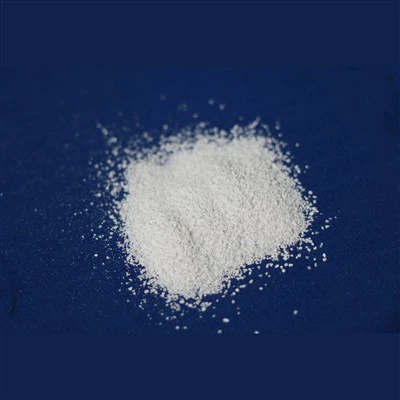
Thermally stable phosphinates have emerged as crucial flame retardants in various industrial applications, offering excellent thermal stability and flame - retarding properties. As a supplier of thermally stable phosphinates, I am often asked about the reaction conditions for their synthesis. In this blog, I will delve into the key reaction conditions required for synthesizing these valuable compounds.
1. Starting Materials
The synthesis of thermally stable phosphinates typically begins with suitable starting materials. One common class of starting materials is phosphinic acid derivatives or their salts. For instance, alkylphosphinic acids or their corresponding metal salts are often used. The choice of the alkyl group can significantly affect the properties of the final phosphinate product.
Another important starting material is a metal source. Commonly used metals include aluminum, calcium, and zinc. These metals form salts with phosphinic acids, imparting thermal stability to the resulting phosphinates. For example, aluminum sources such as aluminum hydroxide or aluminum chloride are frequently employed in the synthesis of aluminum - based phosphinates.
2. Reaction Medium
The reaction medium plays a vital role in the synthesis of thermally stable phosphinates. Water is a commonly used solvent due to its availability, low cost, and ability to dissolve many of the starting materials. In an aqueous medium, the reaction between the phosphinic acid derivative and the metal source can proceed relatively smoothly.
However, in some cases, organic solvents may be preferred. Organic solvents can provide better solubility for certain starting materials or intermediates, and they can also influence the reaction kinetics and product morphology. For example, alcohols or ethers can be used as reaction media when dealing with hydrophobic starting materials.
3. Temperature
Temperature is a critical factor in the synthesis of thermally stable phosphinates. The reaction usually requires a specific temperature range to proceed efficiently. At lower temperatures, the reaction rate may be too slow, leading to incomplete reactions and low yields. On the other hand, if the temperature is too high, side reactions may occur, resulting in the formation of unwanted by - products.
For the synthesis of aluminum diisobutylphosphinate, a typical reaction temperature range is between 50 - 100 °C. This temperature range allows for the proper interaction between diisobutylphosphinic acid and the aluminum source, leading to the formation of the desired aluminum diisobutylphosphinate.
4. pH Control
pH is another important reaction condition. The acidity or alkalinity of the reaction medium can affect the reactivity of the starting materials and the stability of the intermediates and products. In the synthesis of metal - phosphinate salts, the pH needs to be carefully adjusted to ensure the proper formation of the salt.
For example, when synthesizing aluminum diisobutylphosphinate, the pH of the reaction solution is often maintained in the slightly acidic to neutral range. This helps to prevent the precipitation of aluminum hydroxide and promotes the formation of the aluminum diisobutylphosphinate salt.
5. Reaction Time
The reaction time is closely related to the reaction temperature and the nature of the starting materials. Generally, a longer reaction time is required at lower temperatures to ensure complete reaction. However, excessive reaction time may also lead to side reactions or degradation of the products.
In the case of synthesizing thermally stable phosphinates, the reaction time can range from a few hours to several days, depending on the specific reaction conditions and the complexity of the synthesis. For simple reactions, a reaction time of 2 - 6 hours may be sufficient, while more complex syntheses may require 1 - 3 days.
6. Stirring and Mixing
Proper stirring and mixing are essential during the synthesis process. Stirring helps to ensure uniform distribution of the starting materials in the reaction medium, promoting efficient mass transfer and reaction. It also helps to prevent the formation of local concentration gradients, which can lead to uneven reactions and the formation of impurities.
In large - scale industrial synthesis, mechanical stirrers or agitators are commonly used to provide sufficient mixing. The stirring speed needs to be optimized to balance the mixing efficiency and the potential damage to the reaction system.
Applications and Our Products
Thermally stable phosphinates have a wide range of applications, especially in the field of flame retardancy. They are used in various polymers, such as polyamides, acrylonitrile - butadiene - styrene (ABS), and ultra - high - molecular - weight polyethylene (UHMWPE).
As a supplier, we offer a variety of thermally stable phosphinate products. For example, our Aluminum Diisobutylphosphinate ZM - 1 CAS 873651 - 85 - 5 is a high - quality flame retardant with excellent thermal stability. It can be effectively used in polyamide applications to improve the flame - retarding performance of the polymer.
Our Aluminum Diisobutylphosphinate For Polyamide CAS 873651 - 85 - 5 is specifically designed for polyamide polymers. It can be easily incorporated into the polymer matrix, providing good dispersion and flame - retarding effects.
For ABS polymers, our ABS - Grade Aluminum Diisobutylphosphinate Flame Retardant CAS 873651 - 85 - 5 is an ideal choice. It can enhance the flame - retardant properties of ABS without significantly affecting its mechanical and physical properties.
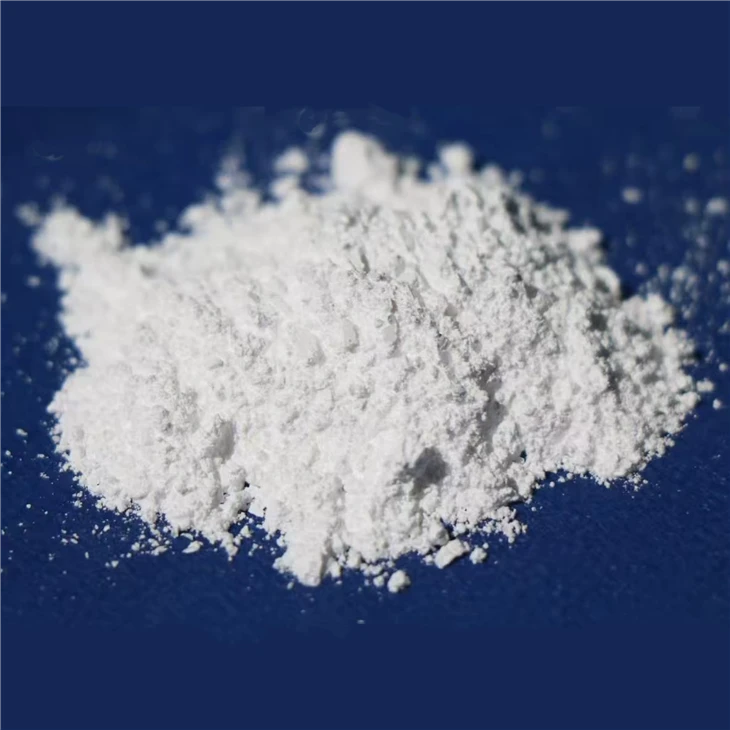
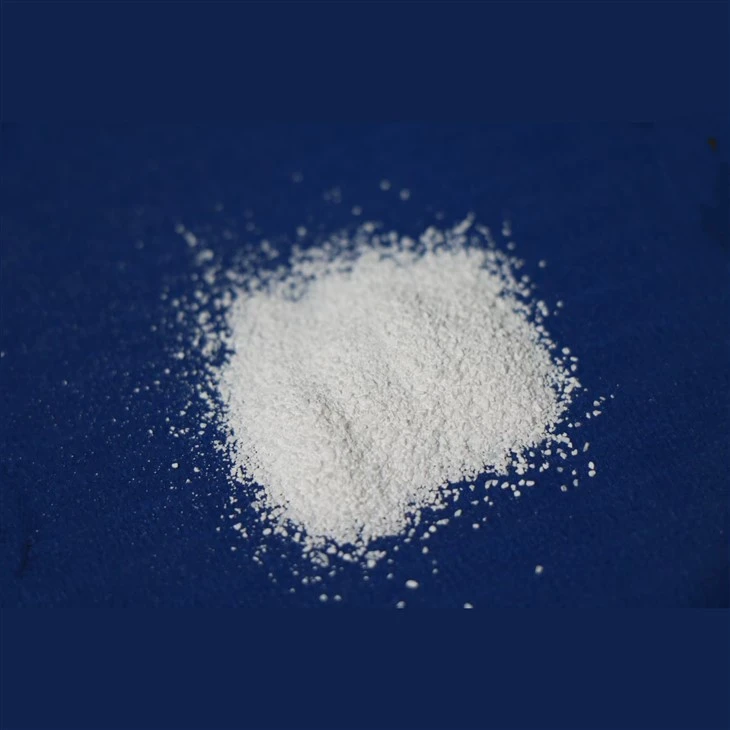
In the case of UHMWPE, our Flame Retardant For UHMWPE CAS 873651 - 85 - 5 can effectively meet the flame - retarding requirements. It is compatible with UHMWPE, ensuring good performance in various UHMWPE - based products.
We also offer Aluminum Diisobutylphosphinate E - 05 CAS 873651 - 85 - 5, which is another high - quality thermally stable phosphinate product with unique properties.
Contact for Purchase and Collaboration
If you are interested in our thermally stable phosphinate products or have any questions about their synthesis, applications, or cooperation opportunities, please feel free to contact us. We look forward to discussing how our products can meet your specific needs and contribute to the success of your projects.
References
- Weil, E. D., & Levchik, S. V. (Eds.). (2008). Thermal Degradation and Flammability of Polymers. Wiley.
- Camino, G., & Costa, L. (1994). Mechanisms of fire retardancy in polymers. Polymer Degradation and Stability, 44(2), 191 - 203.
- Schartel, B., & Hull, T. R. (2007). Fire retardancy of polymers: New applications of mineral fillers. Journal of Materials Chemistry, 17(30), 3001 - 3012.