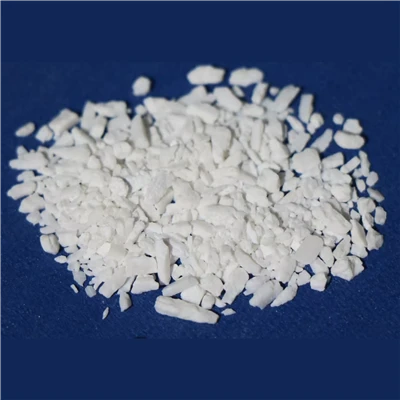
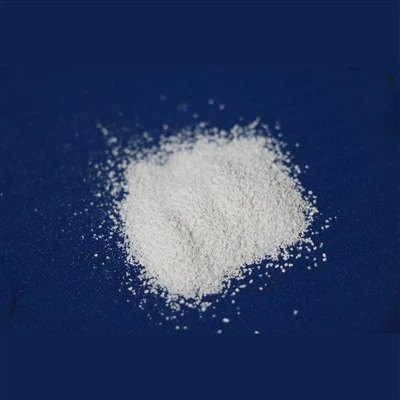
High performance phosphinates have gained significant attention in various industries due to their excellent flame - retardant properties. However, one of the major challenges in using high performance phosphinates is to improve their compatibility with matrix materials. As a high performance phosphinate supplier, I am going to share some insights on how to enhance this compatibility.
Understanding the Compatibility Issue
The compatibility between high performance phosphinates and matrix materials refers to the ability of the phosphinate to disperse uniformly within the matrix and form a stable interface. Poor compatibility can lead to issues such as phase separation, reduced mechanical properties, and inferior flame - retardant efficiency of the final composite material.
The main reasons for poor compatibility include differences in chemical structure, polarity, and surface energy between the phosphinate and the matrix. For example, if the matrix is a non - polar polymer while the phosphinate has a relatively polar structure, it will be difficult for the two to mix well at the molecular level.
Surface Modification of High Performance Phosphinates
One of the most effective ways to improve compatibility is through surface modification of high performance phosphinates. Surface modification can change the surface properties of phosphinates, making them more similar to the matrix materials.
Silane Coupling Agents
Silane coupling agents are widely used for surface modification. These agents have a bifunctional structure, with one end capable of reacting with the surface of the phosphinate and the other end having similar chemical properties to the matrix. For instance, γ - aminopropyltriethoxysilane can react with the hydroxyl groups on the surface of phosphinates and form covalent bonds. At the same time, the amino group can interact with some polymers, such as polyamides, through hydrogen bonding or chemical reactions, thus improving the dispersion of phosphinates in the matrix.
Polymer Coating
Another approach is to coat the phosphinate particles with a thin layer of polymer. This polymer layer should have good compatibility with the matrix. For example, if the matrix is polyethylene, a polyethylene - like polymer can be used for coating. The coating process can be carried out through in - situ polymerization or physical adsorption. By polymer coating, the surface energy of the phosphinate particles is adjusted, and the interaction between the phosphinate and the matrix is enhanced.
Selection of Appropriate Matrix Materials
The choice of matrix materials also plays a crucial role in improving compatibility. When selecting a matrix, we should consider its chemical structure, polarity, and processing conditions.
For high performance phosphinates, some polymers with certain polarity are more suitable. For example, polyesters and polyamides have polar groups in their molecular structures, which can interact with the phosphinate through dipole - dipole interactions or hydrogen bonding.
If we take polyamides as an example, high performance phosphinates such as Aluminum Diisobutylphosphinate For Polyamide CAS 873651 - 85 - 5 can have relatively good compatibility. The amide groups in polyamides can form hydrogen bonds with the oxygen atoms in the phosphinate structure, promoting the dispersion of phosphinates in the polyamide matrix.
Processing Conditions Optimization
Proper processing conditions can also improve the compatibility between high performance phosphinates and matrix materials.
Mixing Process
The mixing process is critical. High - intensity mixing can help break up agglomerates of phosphinate particles and promote their dispersion in the matrix. For example, using a twin - screw extruder can provide high shear forces, which are beneficial for uniform mixing. The screw speed, temperature, and feeding rate in the extruder need to be carefully controlled. A higher screw speed can increase the shear force, but it may also cause over - heating and degradation of the matrix. Therefore, an optimal screw speed should be selected based on the properties of the matrix and the phosphinate.
Molding Temperature
The molding temperature also affects compatibility. A suitable molding temperature can ensure that the matrix has good fluidity, allowing the phosphinate particles to be better dispersed. If the temperature is too low, the matrix may not flow well, and the phosphinate particles may not be able to disperse evenly. On the other hand, if the temperature is too high, the phosphinate or the matrix may decompose.
Use of Compatibilizers
Compatibilizers are substances that can improve the compatibility between two immiscible materials. In the case of high performance phosphinates and matrix materials, compatibilizers can be added to the system.
Block Copolymers
Block copolymers are a type of effective compatibilizers. They consist of two or more different polymer blocks, where one block is compatible with the phosphinate and the other block is compatible with the matrix. For example, a block copolymer with a polyolefin block and a polar polymer block can be used to improve the compatibility between a non - polar polyolefin matrix and a polar phosphinate. The polyolefin block can interact with the polyolefin matrix through chain entanglement, while the polar block can interact with the phosphinate through various interactions such as hydrogen bonding or dipole - dipole forces.
Reactive Compatibilizers
Reactive compatibilizers can react with both the phosphinate and the matrix during the processing. For instance, some maleic anhydride - grafted polymers can react with the amino or hydroxyl groups on the phosphinate and the functional groups in the matrix. This reaction forms covalent bonds at the interface between the phosphinate and the matrix, enhancing the adhesion between the two phases.
Our Product Range and Compatibility
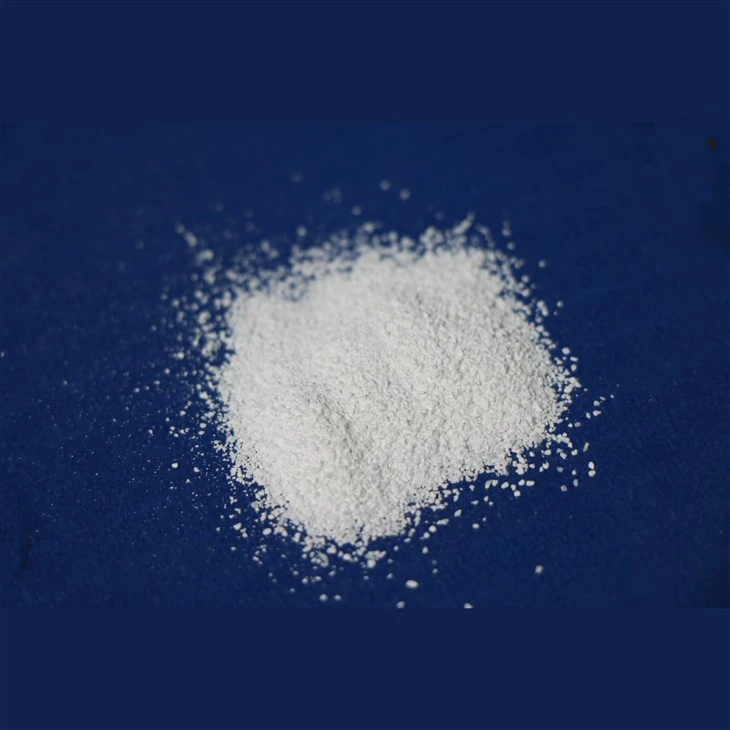
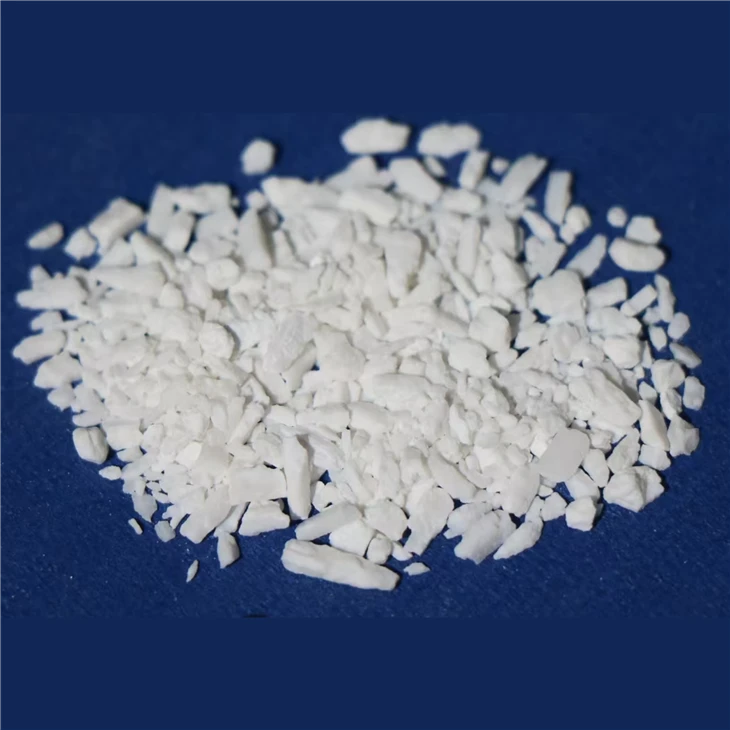
As a high performance phosphinate supplier, we offer a wide range of products, such as Aluminum Diisobutylphosphinate E - 05 CAS 873651 - 85 - 5, Aluminum Diisobutylphosphinate ZM - 1 CAS 873651 - 85 - 5, Ultra - fine Aluminum Diisobutylphosphinate ZM - 1 CAS 873651 - 85 - 5, and Aluminum Diisobutylphosphinate HD13 - 1 CAS 873651 - 85 - 5. These products have different particle sizes and surface properties, which can be selected according to the specific requirements of the matrix materials.
We have conducted extensive research on the compatibility of our products with various matrix materials. Our technical team can provide professional guidance on how to improve the compatibility based on your specific application scenarios. Whether you are using polyamides, polyesters, or other polymers, we can offer solutions to ensure the best performance of the final composite materials.
Conclusion
Improving the compatibility of high performance phosphinates with matrix materials is a complex but crucial task. Through surface modification, appropriate selection of matrix materials, optimization of processing conditions, and the use of compatibilizers, we can effectively enhance the compatibility and obtain high - quality composite materials with excellent flame - retardant and mechanical properties.
If you are interested in our high performance phosphinate products and need more information on improving compatibility with your matrix materials, please feel free to contact us for further procurement discussions. We are committed to providing you with the best products and technical support.
References
- X. Zhang, Y. Wang, "Surface Modification of Inorganic Flame Retardants and Its Effect on Polymer Composites", Polymer Engineering and Science, 2018.
- L. Li, Z. Chen, "Compatibility Improvement Strategies in Polymer - Inorganic Filler Composites", Journal of Materials Science, 2019.
- M. Liu, H. Zhao, "The Role of Compatibilizers in Polymer Blends and Composites", Progress in Polymer Science, 2020.