Hey there! As a supplier of high performance phosphinates, I often get asked if these bad boys can be used in combination with other additives. Well, you bet they can! And in this blog, I'm gonna break down all the nitty - gritty details for you.
The Basics of High Performance Phosphinates
First things first, let's talk a bit about high performance phosphinates. These are some really cool flame - retardant substances. They've got a great reputation in the industry for being super effective at stopping fires in their tracks. They work by creating a protective layer on the surface of the material they're added to, kind of like a shield that keeps the flames from spreading.
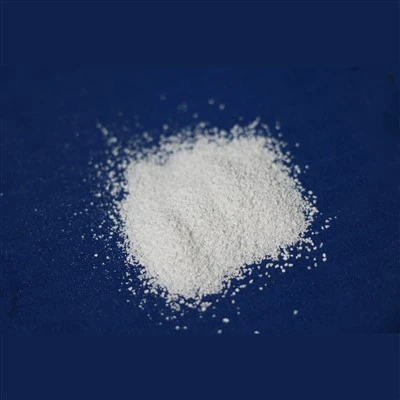
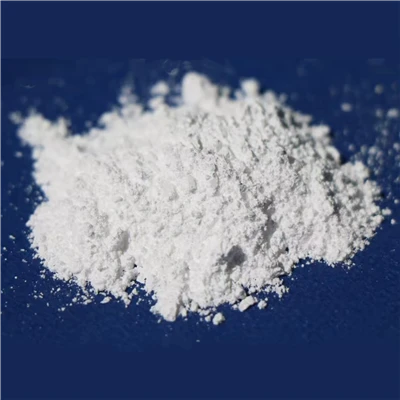
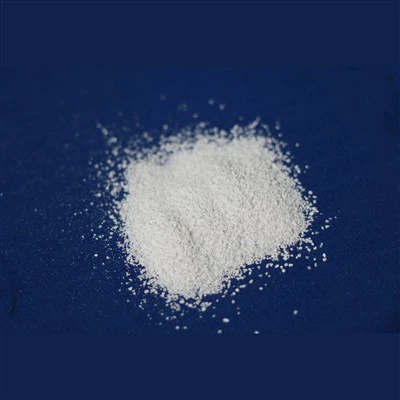
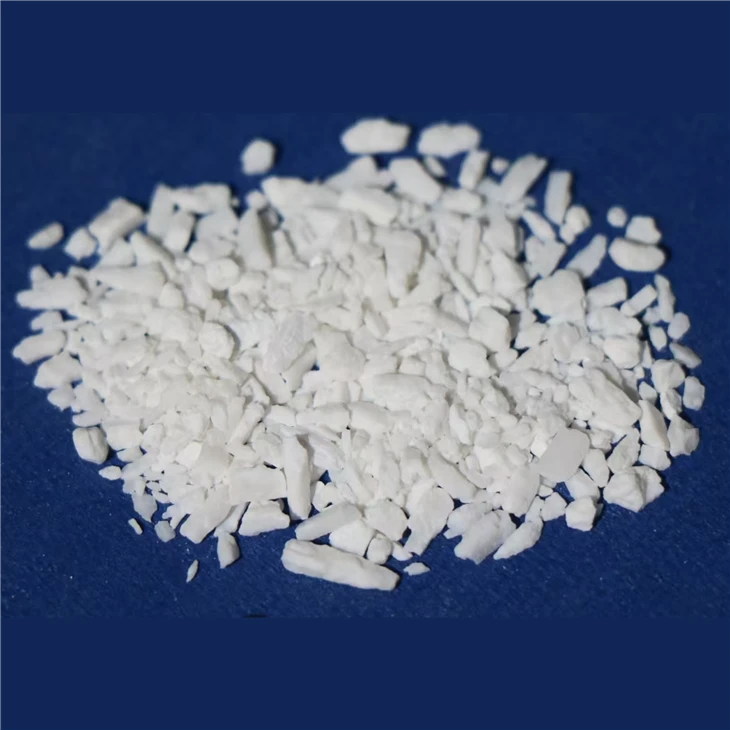
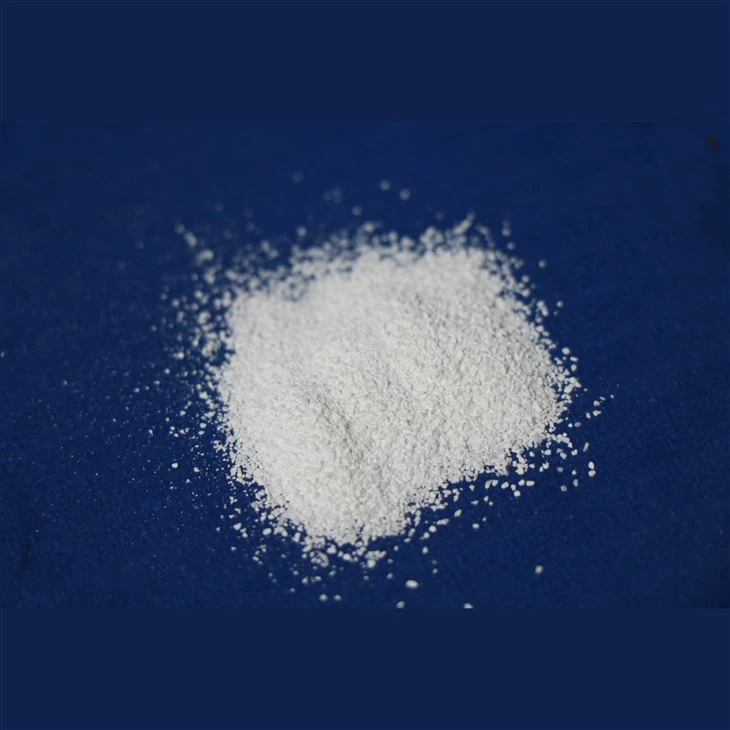
We offer a bunch of different high performance phosphinates, like Aluminum Diisobutylphosphinate HD13 - 1 CAS 873651 - 85 - 5, Aluminum Diisobutylphosphinate D - 13 CAS 873651 - 85 - 5, Aluminum Diisobutylphosphinate HD13 CAS 873651 - 85 - 5, Aluminum Diisobutylphosphinate E - 05 CAS 873651 - 85 - 5, and Flame Retardant For UHMWPE CAS 873651 - 85 - 5. Each one has its own unique set of properties that make it suitable for different applications.
Combining with Other Additives
Now, onto the main question: Can high performance phosphinates be used with other additives? The answer is a resounding yes! There are several reasons why you might want to mix them with other additives.
Synergistic Effects
One of the biggest advantages is the potential for synergistic effects. When you combine high performance phosphinates with certain other additives, they can work together to provide better flame - retardant performance than either one could on its own. For example, some nitrogen - based additives can react with the phosphinate during a fire. The nitrogen helps to form a char layer more effectively, and the phosphinate provides the initial protection. This double - whammy can lead to materials that are much more resistant to flames.
Improving Other Properties
It's not just about fire protection. You can also use high performance phosphinates in combination with other additives to improve other properties of the material. For instance, if you're working with a plastic, you might add a lubricant additive along with the phosphinate. This can make the plastic easier to process during manufacturing, while still maintaining its flame - retardant qualities.
Cost - Effectiveness
Another reason is cost - effectiveness. Sometimes, using high performance phosphinates alone might be too expensive for a particular application. By combining them with less expensive additives, you can achieve a similar level of fire protection at a lower cost. It's all about finding that perfect balance.
Examples of Compatible Additives
Let's take a look at some common additives that play nice with high performance phosphinates.
Nitrogen - Based Additives
As I mentioned earlier, nitrogen - based additives are great partners. Melamine and its derivatives are some well - known examples. When these mix with high performance phosphinates, they create a thermally stable char layer on the material surface. This char acts as a barrier, preventing oxygen from reaching the fuel and heat from spreading.
Silicon - Based Additives
Silicon - based additives can also be a good match. They can enhance the mechanical properties of the material, like its flexibility and toughness, while also assisting in the formation of a protective char layer. This is especially useful in applications where the material needs to withstand both fire and physical stress.
Glass Fibers
Adding glass fibers to a mixture with high performance phosphinates can improve the strength of the material. The glass fibers act as a reinforcement, and when combined with the flame - retardant properties of the phosphinate, you get a material that is both strong and fire - resistant. This combination is often used in the automotive and aerospace industries.
Considerations When Mixing
Of course, it's not all sunshine and rainbows. There are a few things you need to keep in mind when combining high performance phosphinates with other additives.
Compatibility
First and foremost, you need to make sure the additives are compatible. Some additives might react with each other in ways that reduce the effectiveness of the flame retardant or cause other problems, like discoloration or a decrease in mechanical properties. It's always a good idea to do some small - scale tests before going all in.
Dosage
The amount of each additive you use is crucial. Too much of one additive and too little of another can throw off the balance. You need to find the right ratio to get the best results. This usually involves some trial and error, but it's worth the effort to get it right.
Application Method
The way you add the additives also matters. Some additives might need to be mixed in at a certain temperature or in a specific order. You need to follow the recommended procedures to ensure that the combination works as intended.
Success Stories
There are plenty of real - world examples where high performance phosphinates have been successfully combined with other additives. In the electronics industry, for example, manufacturers have used a combination of phosphinates and nitrogen - based additives to make circuit boards more fire - resistant. This helps to prevent electrical fires and protect the delicate components inside electronic devices.
In the construction industry, the use of high performance phosphinates with glass fibers has led to the development of fire - resistant building materials. These materials can withstand high temperatures and prevent the spread of fire, making buildings safer for everyone.
Conclusion
So, to sum it all up, high performance phosphinates can definitely be used in combination with other additives. Whether you're looking for better fire protection, improved material properties, or cost savings, there are plenty of reasons to give it a shot. Just make sure to do your research, test the combinations, and follow the best practices.
If you're interested in exploring these combinations further for your own projects, I'd love to have a chat. Reach out to me, and we can discuss how our high performance phosphinates can be customized to work with other additives for your specific needs. Let's make materials safer and better together!
References
- Levchik, S. V., & Weil, E. D. (2004). Thermal decomposition, combustion and flame - retardancy of polyurethanes—a review of the recent literature. Polymer Degradation and Stability, 83(2), 141 - 164.
- Camino, G., Costa, L., & Trossarelli, L. (1982). Mechanisms of fire retardancy in cellulose treated with phosphonium salts. Journal of Applied Polymer Science, 27(6), 1931 - 1949.