In the chemistry industry, halogen - free phosphinate chemicals have gained significant popularity due to their excellent flame - retardant properties and environmental - friendliness. As a reliable halogen - free phosphinate chemical supplier, I understand the importance of safety when handling these substances. This blog aims to provide a comprehensive guide on the safety precautions that should be taken when dealing with halogen - free phosphinate chemicals.
Understanding Halogen - Free Phosphinate Chemicals
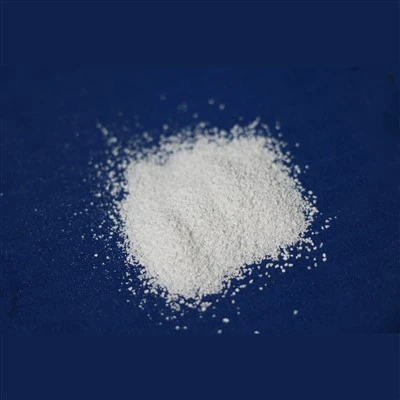
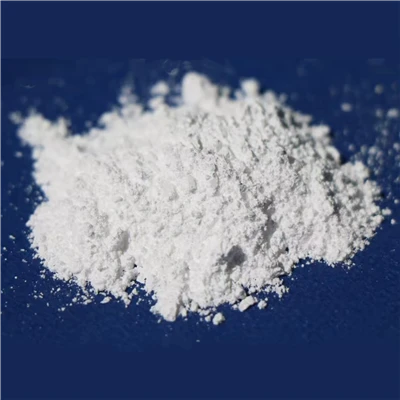
Halogen - free phosphinate chemicals, such as aluminum diisobutylphosphinate, are widely used in various industries, including plastics, textiles, and electronics, to enhance the fire resistance of materials. These chemicals offer a safer alternative to halogen - based flame retardants, which can release toxic and corrosive substances when burned.
Some of the specific products we offer include Aluminum Diisobutylphosphinate For Polyamide CAS 873651 - 85 - 5, Ultra - fine Aluminum Diisobutylphosphinate ZM - 1 CAS 873651 - 85 - 5, Aluminum Diisobutylphosphinate E - 05 CAS 873651 - 85 - 5, Aluminum Diisobutylphosphinate ZM - 1 CAS 873651 - 85 - 5, and Flame Retardant For UHMWPE CAS 873651 - 85 - 5. Each of these products has unique properties and applications, but they all require careful handling to ensure safety.
Personal Protective Equipment (PPE)
One of the first and most important safety precautions when handling halogen - free phosphinate chemicals is the use of appropriate personal protective equipment.
Protective Clothing
Wear chemical - resistant clothing, such as coveralls or lab coats, to prevent direct contact between the skin and the chemicals. The clothing should be made of materials that can withstand potential chemical spills and splashes. Additionally, ensure that the clothing covers as much of the body as possible to minimize exposure.
Gloves
Select gloves made of materials resistant to the specific halogen - free phosphinate chemicals you are handling. Nitrile gloves are often a good choice as they offer excellent chemical resistance. Inspect the gloves for any signs of damage or wear before use, and replace them immediately if they are compromised.
Eye and Face Protection
Wear safety goggles or a face shield to protect your eyes and face from potential splashes or dust particles. Chemicals can cause serious damage to the eyes, so it is crucial to have adequate protection. Make sure the goggles fit properly and provide a seal around the eyes.
Respiratory Protection
Depending on the nature of the handling process and the potential for dust or vapor generation, respiratory protection may be required. If there is a risk of inhaling harmful particles or fumes, use a respirator that is approved for the specific chemicals. Regularly check and maintain the respirator to ensure its effectiveness.
Handling and Storage
Proper handling and storage of halogen - free phosphinate chemicals are essential to prevent accidents and ensure safety.
Handling Procedures
- Avoid Spills: When transferring chemicals, use appropriate equipment such as funnels and pipettes to minimize the risk of spills. Make sure all containers are properly sealed and labeled to prevent accidental leakage.
- Mixing and Blending: If you need to mix or blend halogen - free phosphinate chemicals with other substances, follow the recommended procedures carefully. Use the correct ratios and mixing equipment to ensure a homogeneous mixture.
- Cleaning: After handling the chemicals, clean all equipment thoroughly to prevent cross - contamination. Use appropriate cleaning agents and follow the manufacturer's instructions.
Storage Conditions
- Temperature and Humidity: Store halogen - free phosphinate chemicals in a cool, dry place away from direct sunlight and heat sources. High temperatures and humidity can affect the chemical stability of the products.
- Separation: Separate halogen - free phosphinate chemicals from incompatible substances. For example, keep them away from strong acids, bases, and oxidizing agents, as they may react violently.
- Container Integrity: Ensure that the storage containers are in good condition and properly labeled. Check the containers regularly for any signs of damage or leakage.
Emergency Response
Despite taking all necessary precautions, accidents can still happen. It is important to have an emergency response plan in place to minimize the impact of any incidents.
Spill Response
- Containment: In case of a spill, immediately contain the spill to prevent it from spreading. Use absorbent materials such as sand or vermiculite to soak up the spilled chemical.
- Clean - up: Follow the appropriate clean - up procedures for the specific chemical. Dispose of the contaminated absorbent materials in accordance with local regulations.
- Reporting: Report the spill to the appropriate authorities and follow their instructions for further action.
Fire and Explosion
- Fire Extinguishers: Keep appropriate fire extinguishers in the handling area. The type of fire extinguisher required depends on the nature of the chemicals. Consult the safety data sheet (SDS) for the specific fire - fighting methods.
- Evacuation: In case of a fire or explosion, evacuate the area immediately and follow the pre - determined evacuation routes. Do not attempt to fight the fire if it is beyond your capabilities.
First Aid
- In Case of Exposure: If there is skin or eye contact with the chemicals, immediately flush the affected area with plenty of water for at least 15 minutes. Remove any contaminated clothing.
- Inhalation or Ingestion: If a person inhales or ingests the chemical, seek medical attention immediately. Provide the medical staff with the SDS of the chemical to assist in proper treatment.
Training and Education
All employees who handle halogen - free phosphinate chemicals should receive proper training and education on safety procedures.
Initial Training
New employees should receive comprehensive training on the properties, hazards, and safe handling practices of the chemicals. This training should include theoretical knowledge and practical demonstrations.
Refresher Training
Regularly provide refresher training to ensure that employees stay updated on the latest safety information and procedures. Refresher training can also reinforce good safety habits and reduce the risk of complacency.
Safety Data Sheets (SDS)
Ensure that all employees have access to the safety data sheets of the halogen - free phosphinate chemicals they are handling. The SDS provides detailed information on the chemical's properties, hazards, and emergency response procedures.
Conclusion
Handling halogen - free phosphinate chemicals requires strict adherence to safety precautions to protect the health and safety of workers and the environment. As a halogen - free phosphinate chemical supplier, we are committed to providing high - quality products and ensuring that our customers are well - informed about the proper handling of these chemicals.
If you are interested in our halogen - free phosphinate chemical products or have any questions about safety during handling, we encourage you to contact us for further discussions and potential business cooperation. We are here to assist you in making the best choices for your flame - retardant needs.

References
- Safety Data Sheets of Halogen - Free Phosphinate Chemicals.
- Chemical Industry Safety Guidelines.
- Occupational Safety and Health Administration (OSHA) Regulations.