As a high-performance phosphinate supplier, I'm constantly thinking about how to ensure that our products are not only effective but also as safe as possible in terms of potential health hazards. High-performance phosphinates are widely used in many industries, especially as flame retardants due to their excellent properties. However, like any chemical substance, there are potential health concerns associated with them. In this blog, I'll share some practical ways to reduce these potential health hazards.
Understanding the Potential Health Hazards of High-Performance Phosphinates
First off, let's talk about what these potential health hazards could be. High-performance phosphinates can sometimes pose risks if they're not handled properly. Inhaling dust or fumes from these materials during production, handling, or application can irritate the respiratory system. It might cause coughing, shortness of breath, and in more severe cases, long - term lung problems. Skin contact can lead to irritation, redness, and possible allergic reactions. Eye contact, even more so, can be extremely painful and cause damage to the eyes.
1. Proper Handling and Storage
One of the most basic yet crucial steps is proper handling and storage. When it comes to handling high - performance phosphinates, workers should always wear appropriate personal protective equipment (PPE). This includes gloves, goggles, and respirators. Gloves made of materials resistant to chemical penetration can prevent skin contact. Goggles protect the eyes from any splashes or dust particles, and respirators ensure that workers don't inhale harmful fumes or dust.
For storage, these products should be kept in a cool, dry, and well - ventilated area. They should be stored in sealed containers to prevent any leakage or dust dispersion. If possible, separate them from incompatible substances to avoid chemical reactions that could produce hazardous by - products.
2. Engineering Controls
Engineering controls are another great way to reduce health hazards. In the workplace, installing local exhaust ventilation systems can help remove dust and fumes at the source. This means that when high - performance phosphinates are being processed, the air with potential contaminants is quickly sucked away, reducing the chances of workers inhaling them.
Automation can also play a big role. By automating the production and packaging processes of high - performance phosphinates, we can minimize direct human contact with these substances. Workers can operate machinery from a safe distance, reducing their exposure.
3. Employee Training
Employee training is absolutely vital. Workers need to know about the potential health hazards of high - performance phosphinates and how to protect themselves. Training should cover everything from proper PPE use to emergency response procedures in case of accidental exposure.
For example, an employee should know exactly what to do if they get high - performance phosphinate on their skin. They should be trained to immediately rinse the affected area with plenty of water and then seek medical attention if the irritation persists. Regular refresher training sessions should be held to keep everyone up - to - date on safety protocols.
4. Product Formulation and Design
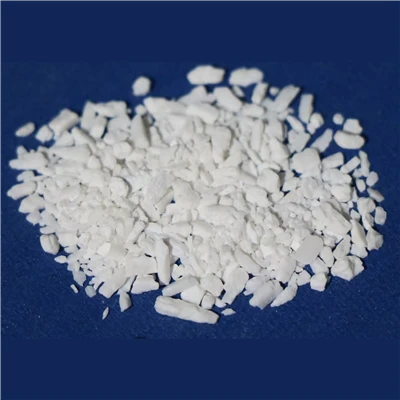
As a supplier, we can also work on product formulation and design to reduce health hazards. For instance, we can try to develop high - performance phosphinates with lower dust generation. This can be achieved by adjusting the particle size and shape during the manufacturing process. Smaller, more uniform particles are less likely to become airborne, reducing the risk of inhalation.
We can also explore the use of encapsulation technologies. By encapsulating high - performance phosphinates in a protective coating, we can reduce their direct contact with the environment and human skin. This not only makes the product safer to handle but also has the potential to improve its performance in some applications.
5. Risk Assessment and Monitoring
Regular risk assessments should be carried out to identify any new or emerging health hazards associated with high - performance phosphinates. This involves looking at factors such as changes in production processes, new applications of the product, and any new research on its health effects.
Monitoring is also important. Air quality in the workplace should be regularly monitored for the presence of high - performance phosphinate dust and fumes. Workers' health should also be monitored through regular medical check - ups to detect any early signs of health problems related to exposure.
Our High - Performance Phosphinate Products
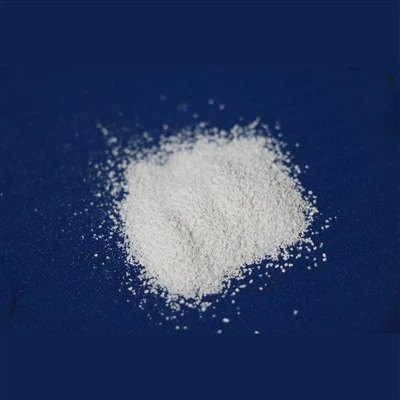
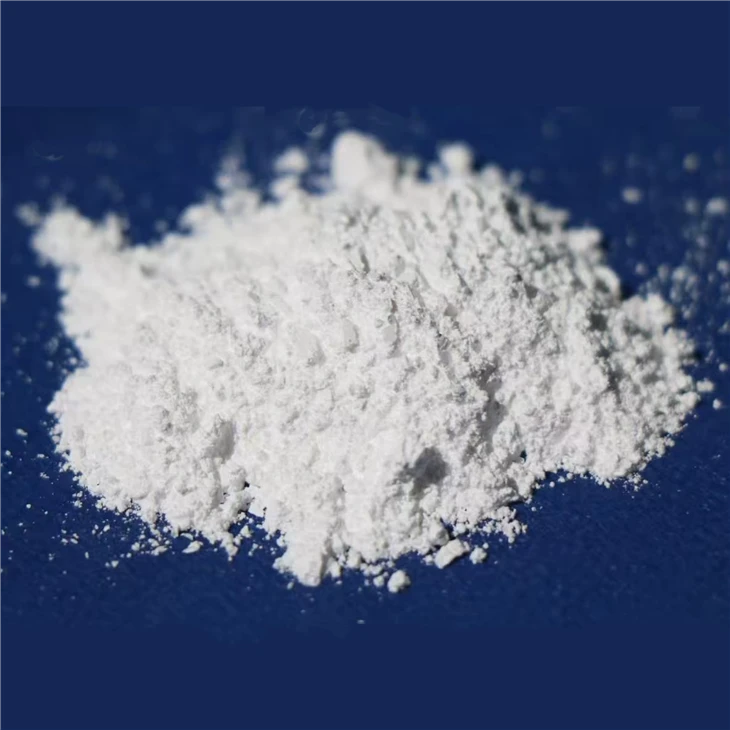
At our company, we offer a range of high - performance phosphinate products. For example, Aluminum Diisobutylphosphinate ZM - 1 CAS 873651 - 85 - 5 is a popular choice for many flame - retardant applications. It has excellent flame - retardant properties and can be used in various polymers. Flame Retardant For UHMWPE CAS 873651 - 85 - 5 is specifically designed for ultra - high - molecular - weight polyethylene, providing effective flame retardancy.
We also have Aluminum Diisobutylphosphinate HD13 CAS 873651 - 85 - 5, which is suitable for a wide range of engineering plastics. Aluminum Diisobutylphosphinate For Polyamide CAS 873651 - 85 - 5 is tailored for polyamide materials, offering great flame - retardant performance. And Aluminum Diisobutylphosphinate E - 05 CAS 873651 - 85 - 5 is another high - quality option for different flame - retardant needs.
Conclusion
Reducing the potential health hazards of high - performance phosphinates is a multi - faceted task that involves proper handling, engineering controls, employee training, product design, and continuous risk assessment. By taking these steps, we can ensure that our products are not only effective in their applications but also safe for the people who handle and use them.

If you're interested in our high - performance phosphinate products or want to discuss how we can meet your specific flame - retardant needs, don't hesitate to reach out to start a procurement conversation. We're here to provide you with the best products and solutions while ensuring the highest safety standards.
References
- Smith, J. (2022). Chemical Safety in the Workplace. Industrial Publishing.
- Lee, K. et al. (2021). Advances in Flame Retardant Technology. Journal of Materials Science.
- Chen, L. (2020). Health Risks Associated with Chemical Exposure. Environmental Health Journal.