Hey there! As a supplier of ultra fine phosphinate powder, I've seen firsthand how important it is to choose the right type for different applications. In this blog post, I'll share some tips on how to make that choice, so you can get the most out of your phosphinate powder.
Understanding Ultra Fine Phosphinate Powder
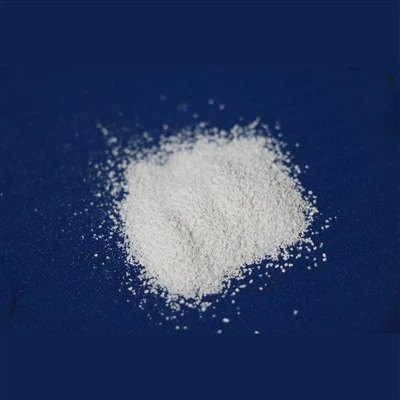
First off, let's talk a bit about what ultra fine phosphinate powder is. It's a type of flame retardant that's used in a variety of industries, including plastics, textiles, and electronics. The "ultra fine" part means that the powder particles are really small, which gives it some unique properties. For example, it can disperse more evenly in materials, leading to better flame - retardant performance.
Factors to Consider When Choosing
1. Application Industry
The industry you're working in plays a huge role in determining the right type of ultra fine phosphinate powder.

-
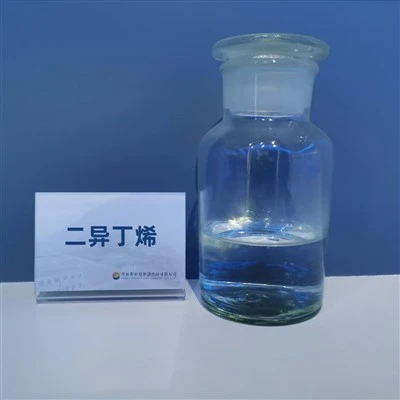
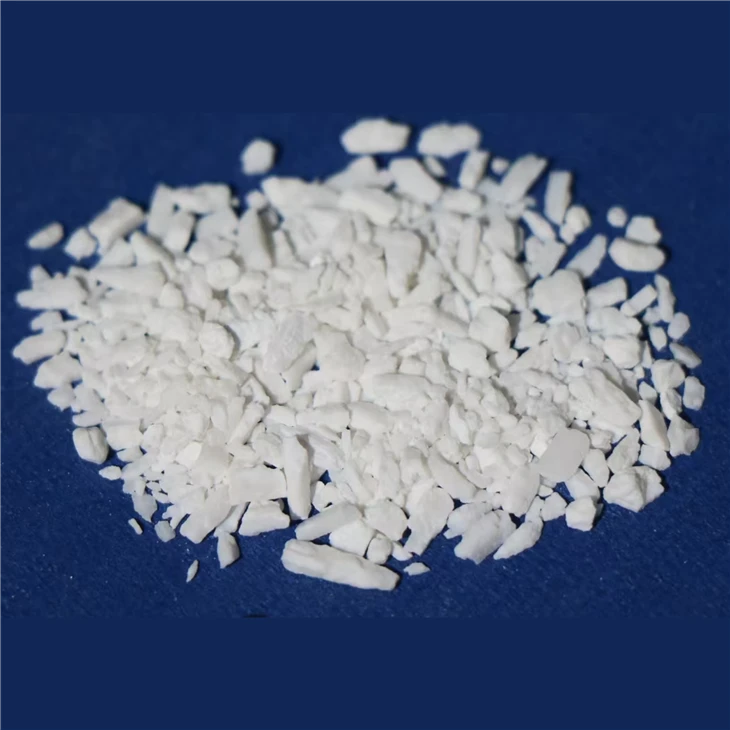
Plastics Industry: In plastics, different polymers have different requirements. For polyamide, you might want to check out Aluminum Diisobutylphosphinate For Polyamide CAS 873651 - 85 - 5. It's specifically designed to work well with polyamide, providing excellent flame retardancy without sacrificing the mechanical properties of the plastic.
-
Textiles Industry: When it comes to textiles, the powder needs to be able to adhere to the fabric fibers. You'll need a phosphinate powder that has good compatibility with textile materials and can withstand washing and other textile - processing steps.
-
Electronics Industry: In electronics, the powder must be able to meet strict safety and performance standards. It should have good electrical insulation properties and not cause any interference with the electronic components. ABS - Grade Aluminum Diisobutylphosphinate Flame Retardant CAS 873651 - 85 - 5 is a great option for ABS plastics used in electronics, as it offers high - level flame retardancy and good thermal stability.
2. Flame - Retardant Requirements
The level of flame retardancy you need depends on the end - use of the product. Some applications, like children's toys or electrical appliances, require a very high level of flame retardancy to meet safety regulations. For these, you might need a more potent phosphinate powder.
On the other hand, if the application has less strict flame - retardant requirements, you can choose a powder with a lower concentration of active ingredients, which can also save on cost.
3. Compatibility with Other Materials
Your ultra fine phosphinate powder needs to play nice with other materials in your formulation. If it's not compatible, it can lead to issues like poor dispersion, reduced mechanical properties, or even chemical reactions.
For example, if you're using it in a plastic blend, make sure it's compatible with all the polymers in the blend. You might need to do some compatibility tests before making a final decision.
4. Particle Size
As I mentioned earlier, the ultra fine particle size is one of the key features of this powder. However, different applications might require different particle sizes.
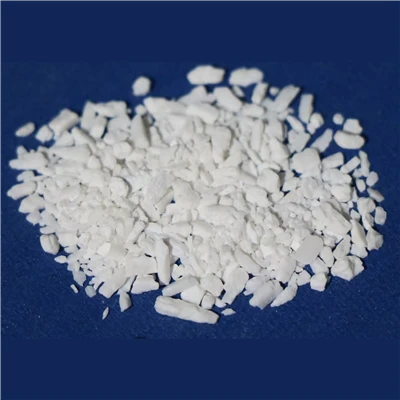
A smaller particle size generally means better dispersion, but it can also affect the flowability of the powder. In some cases, a slightly larger particle size might be more suitable if it improves the processing of the material. Ultra - fine Aluminum Diisobutylphosphinate ZM - 1 CAS 873651 - 85 - 5 has a very fine particle size, which makes it ideal for applications where high - quality dispersion is crucial.
Specific Product Recommendations
Aluminum Diisobutylphosphinate HD13 and HD13 - 1
Aluminum Diisobutylphosphinate HD13 CAS 873651 - 85 - 5 and Aluminum Diisobutylphosphinate HD13 - 1 CAS 873651 - 85 - 5 are two great options for a wide range of applications. They offer excellent flame - retardant properties and are relatively easy to process.
These products are suitable for use in various plastics, such as polypropylene and polyethylene. They can be added to the plastic during the compounding process, and they'll help the plastic meet the required flame - retardant standards.
Making the Final Decision
Once you've considered all the factors above, it's time to make a decision. I recommend starting with small - scale trials. Get samples of the different types of ultra fine phosphinate powder you're considering and test them in your specific application.
Look at the flame - retardant performance, the compatibility with other materials, and the processing characteristics. Based on the results of these trials, you can choose the powder that best meets your needs.
Why Choose Our Ultra Fine Phosphinate Powder
As a supplier, we take pride in offering high - quality ultra fine phosphinate powder. Our products are rigorously tested to ensure they meet the highest standards of performance and safety. We also have a team of experts who can provide technical support and help you choose the right product for your application.
If you're interested in learning more about our ultra fine phosphinate powder or have any questions about choosing the right type for your needs, don't hesitate to reach out. We're here to help you make the best decision for your business.
Conclusion
Choosing the right type of ultra fine phosphinate powder for different applications is a crucial step in ensuring the safety and performance of your products. By considering factors like the application industry, flame - retardant requirements, compatibility with other materials, and particle size, you can make an informed decision.
If you have any further questions or need more information, feel free to contact us. We're eager to work with you and help you find the perfect ultra fine phosphinate powder for your specific needs.
References
- Smith, J. (2020). Flame Retardants in the Plastics Industry. Journal of Plastic Materials, 15(2), 123 - 135.
- Johnson, A. (2019). Textile Flame Retardancy: A Review. Textile Research Journal, 89(3), 256 - 268.
- Williams, R. (2021). Electronic Materials and Flame Retardants. Electronic Components Journal, 22(4), 345 - 358.