Dialkylphosphinate salts have emerged as significant additives in the polymer industry, especially in enhancing the flame - retardant properties of polymers. As a leading supplier of high - quality dialkylphosphinate salts, I have witnessed firsthand how these compounds can transform the processing and performance of polymers. In this blog post, I will explore in detail how the addition of dialkylphosphinate salts affects the processing of polymers.
1. Impact on Polymer Viscosity
One of the primary aspects of polymer processing is the management of viscosity. Viscosity plays a crucial role in determining how easily a polymer can be molded, extruded, or otherwise shaped during manufacturing. When dialkylphosphinate salts are added to polymers, they can have a notable impact on viscosity.
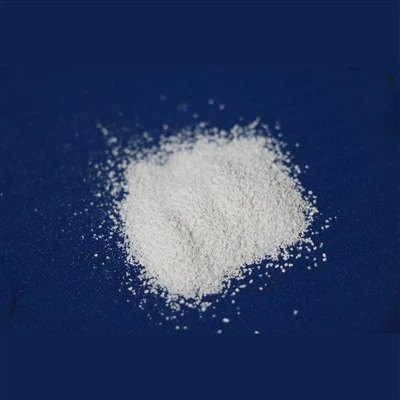
In some cases, the addition of dialkylphosphinate salts can increase the viscosity of the polymer melt. This is due to the fact that these salts can interact with the polymer chains, causing them to entangle more effectively. The increased entanglement restricts the flow of the polymer, leading to a higher viscosity. For example, in polyamide (PA) polymers, the addition of Aluminum Diisobutylphosphinate ZM - 1 CAS 873651 - 85 - 5 can result in a moderate increase in viscosity. This can be beneficial in processes such as injection molding, where a higher viscosity can help maintain the shape of the molded part during the cooling process.

On the other hand, in some polymer systems, dialkylphosphinate salts can act as a plasticizer to some extent, reducing the viscosity. This occurs when the salts disrupt the intermolecular forces between the polymer chains, allowing them to slide past each other more easily. For instance, in certain thermoplastic elastomers, the addition of a specific type of dialkylphosphinate salt can lead to a decrease in melt viscosity, which is advantageous for extrusion processes as it reduces the energy required for processing.
2. Influence on Melting and Crystallization Behavior
The melting and crystallization behavior of polymers are critical factors in their processing. Dialkylphosphinate salts can significantly alter these properties.
Regarding melting behavior, the presence of dialkylphosphinate salts can lower the melting point of some polymers. This is because the salts can disrupt the regular packing of polymer chains in the crystalline regions, making it easier for the polymer to transition from a solid to a liquid state. For example, in polyethylene terephthalate (PET), the addition of an appropriate dialkylphosphinate salt can slightly reduce the melting point, which simplifies the processing temperature requirements and reduces the energy consumption during melting.
In terms of crystallization, dialkylphosphinate salts can act as nucleating agents. They provide sites for crystal growth, which can increase the rate of crystallization and change the crystal structure of the polymer. In polypropylene (PP), the addition of ABS - Grade Aluminum Diisobutylphosphinate Flame Retardant CAS 873651 - 85 - 5 can promote the formation of smaller and more numerous crystals. This can improve the mechanical properties of the final product, such as stiffness and hardness, and also affect the processing cycle time as faster crystallization can lead to shorter cooling times in molding processes.
3. Effect on Thermal Stability during Processing
Thermal stability is of utmost importance during polymer processing, as polymers are often subjected to high temperatures. Dialkylphosphinate salts can enhance the thermal stability of polymers.
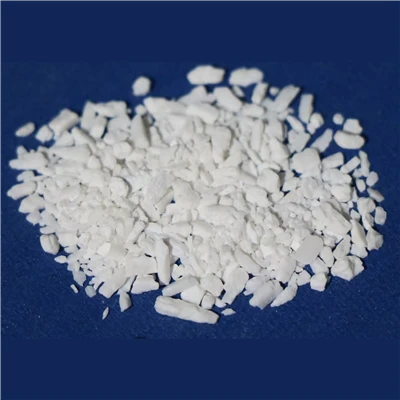
These salts decompose at relatively high temperatures and release phosphorus - containing compounds. These decomposition products can form a protective char layer on the surface of the polymer during processing. The char layer acts as a barrier, preventing the transfer of heat and oxygen to the underlying polymer. For example, in polycarbonate (PC), the addition of Ultra - fine Aluminum Diisobutylphosphinate ZM - 1 CAS 873651 - 85 - 5 can significantly improve the thermal stability of the polymer during injection molding. This allows the polymer to withstand higher processing temperatures without significant degradation, resulting in better - quality products with fewer defects.
Moreover, the enhanced thermal stability provided by dialkylphosphinate salts can also extend the processing window of polymers. A wider processing window means that the polymer can be processed over a broader range of temperatures and shear rates, giving manufacturers more flexibility in their production processes.
4. Compatibility with Polymer Matrix
The compatibility of dialkylphosphinate salts with the polymer matrix is a key factor that affects processing. Good compatibility ensures uniform dispersion of the salt in the polymer, which is essential for achieving consistent properties in the final product.
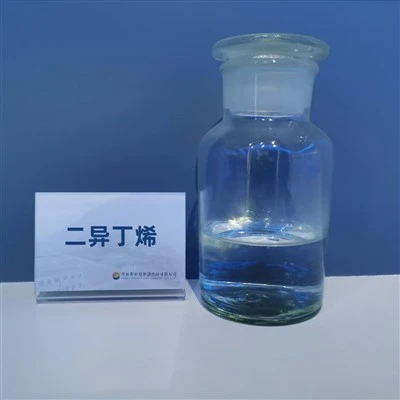
Most modern dialkylphosphinate salts are designed to have excellent compatibility with a wide range of polymers. However, in some cases, surface treatments or the use of compatibilizers may be required. For example, in blends of different polymers, such as a mixture of polyvinyl chloride (PVC) and acrylonitrile - butadiene - styrene (ABS), Aluminum Diisobutylphosphinate HD13 CAS 873651 - 85 - 5 may need to be used in combination with a suitable compatibilizer to ensure proper dispersion. When the salt is well - dispersed, it can effectively enhance the flame - retardant and processing properties of the polymer blend.
Poor compatibility, on the other hand, can lead to issues such as agglomeration of the salt particles in the polymer matrix. This can cause non - uniform properties in the final product, such as variations in mechanical strength and flame - retardant performance. It can also lead to processing difficulties, such as blockages in the extrusion or molding equipment.
5. Impact on Mechanical Properties and Processing Yield
The addition of dialkylphosphinate salts can also have an impact on the mechanical properties of polymers, which in turn affects the processing yield.
In many cases, when the salts are properly incorporated into the polymer matrix, they can improve the mechanical properties of the polymer. For example, in glass - fiber - reinforced polymers, Aluminum Diisobutylphosphinate D - 13 CAS 873651 - 85 - 5 can enhance the interfacial bonding between the glass fibers and the polymer matrix. This results in improved mechanical strength and stiffness of the composite material.
Better mechanical properties can lead to a higher processing yield. Polymers with improved mechanical strength are less likely to break or deform during processing, reducing the number of defective products. This is particularly important in high - volume manufacturing processes, where even a small increase in the processing yield can result in significant cost savings.
Conclusion and Call to Action
In conclusion, the addition of dialkylphosphinate salts can have a profound impact on the processing of polymers. From influencing viscosity and melting behavior to enhancing thermal stability and mechanical properties, these salts offer numerous benefits to polymer manufacturers.
As a reliable supplier of high - quality dialkylphosphinate salts, we are committed to providing our customers with the best solutions for their polymer processing needs. Whether you are looking to improve the flame - retardant properties of your polymers or enhance their processing performance, our range of products can meet your requirements.
If you are interested in learning more about our dialkylphosphinate salts or would like to discuss your specific polymer processing challenges, we encourage you to reach out to us. We look forward to the opportunity to work with you and help you achieve greater success in your polymer manufacturing processes.
References
- Camino, G., Lomakin, S., & Levchik, S. V. (2001). Thermal degradation and fire retardancy of aliphatic polyamides. Journal of Analytical and Applied Pyrolysis, 58, 441 - 465.
- Lewin, M., & Weil, E. D. (Eds.). (2001). Flame retardancy of polymeric materials. Marcel Dekker.
- Schartel, B., & Hull, T. R. (2010). Fire retardancy of polymers: New applications of nanocomposites. Royal Society of Chemistry.