How do the surface properties of Dialkylphosphinate salt affect its dispersion in polymers?
As a supplier of Dialkylphosphinate salts, I've witnessed firsthand the crucial role these compounds play in enhancing the performance of polymers in various applications. One of the most significant factors influencing the effectiveness of Dialkylphosphinate salts in polymers is their dispersion quality, which is closely related to their surface properties. In this blog post, I'll explore how the surface properties of Dialkylphosphinate salt affect its dispersion in polymers.
Understanding Dialkylphosphinate Salts
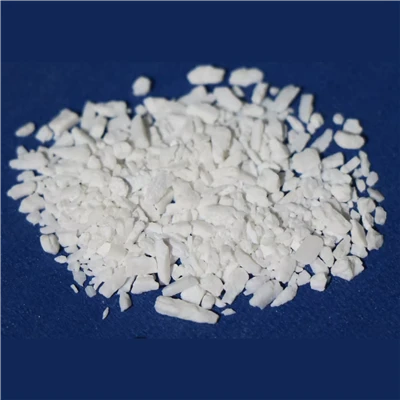
Dialkylphosphinate salts are widely recognized as efficient flame retardants for polymers. They offer several advantages, including high thermal stability, low toxicity, and excellent flame - retardant efficiency. These salts can be incorporated into different polymers, such as polyamides, polyolefins, and polyesters, to improve their fire - resistance properties. For instance, Aluminum Diisobutylphosphinate For Polyamide CAS 873651 - 85 - 5 is specifically designed for use in polyamide applications and has shown remarkable results in enhancing flame retardancy.
Surface Properties of Dialkylphosphinate Salts
There are several key surface properties of Dialkylphosphinate salts that significantly impact their dispersion in polymers, including surface energy, particle size, and surface chemistry.
Surface Energy
Surface energy is a measure of the excess energy at the surface of a material compared to its bulk. In the context of Dialkylphosphinate salts and polymers, a high surface energy of the salt may lead to strong cohesive forces between the salt particles themselves. This can cause the particles to agglomerate, making it difficult to disperse them evenly in the polymer matrix. When the surface energy of the salt and the polymer are not well - matched, there is a tendency for the salt to clump together, resulting in poor dispersion.
Conversely, if the surface energy of the Dialkylphosphinate salt can be adjusted to be more compatible with the polymer matrix, the salt particles are more likely to be wetted by the polymer. This improves the interaction between the salt and the polymer, facilitating better dispersion. For example, surface treatments can be applied to the salt to modify its surface energy and make it more compatible with the polymer.
Particle Size
The particle size of Dialkylphosphinate salts is another critical factor. Smaller particles generally have a larger surface - to - volume ratio, which can enhance their interaction with the polymer matrix. Smaller particles also tend to disperse more easily because they experience less gravitational settling and are less likely to form large agglomerates.
However, extremely small particles may also have a higher tendency to agglomerate due to strong van der Waals forces between them. On the other hand, larger particles are more difficult to disperse evenly in the polymer. They may cause sedimentation and result in non - uniform distribution of the flame - retardant, reducing the overall performance of the polymer composite.
Surface Chemistry
The surface chemistry of Dialkylphosphinate salts can affect their dispersion in polymers in multiple ways. For example, the presence of functional groups on the surface of the salt can interact with the polymer chains. If the surface of the salt has polar functional groups and the polymer is also polar, there can be strong intermolecular forces such as hydrogen bonding or dipole - dipole interactions between the salt and the polymer. This promotes better dispersion.
In contrast, if the surface chemistry of the salt is not compatible with the polymer, the salt may not be easily incorporated into the polymer matrix. Surface modification of the salt, such as coating it with a layer of a compatibilizing agent, can change its surface chemistry and improve its dispersion in the polymer.
Impact of Dispersion on Polymer Performance
The dispersion of Dialkylphosphinate salts in polymers directly affects the performance of the polymer composites. A well - dispersed salt can provide a more homogeneous distribution of the flame - retardant effect throughout the polymer matrix. This means that the polymer can achieve better fire - resistance properties, lower flammability, and reduced smoke generation.
Poor dispersion, on the other hand, can lead to localized areas of high and low flame - retardant concentration. In areas with low concentration, the polymer may be more prone to ignition and burning, while in areas with high concentration, there may be issues such as reduced mechanical properties, increased brittleness, and potential leaching of the salt over time.
Improving Dispersion through Surface Modification
As a supplier, we are constantly exploring ways to improve the dispersion of our Dialkylphosphinate salts in polymers. One of the most effective methods is surface modification. We can use different techniques to modify the surface properties of the salts to make them more compatible with various polymers.
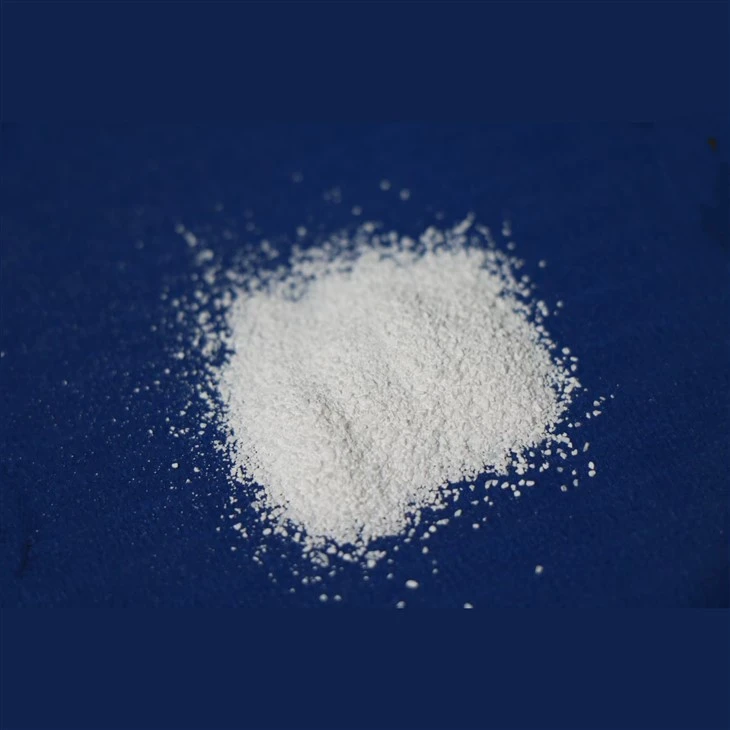
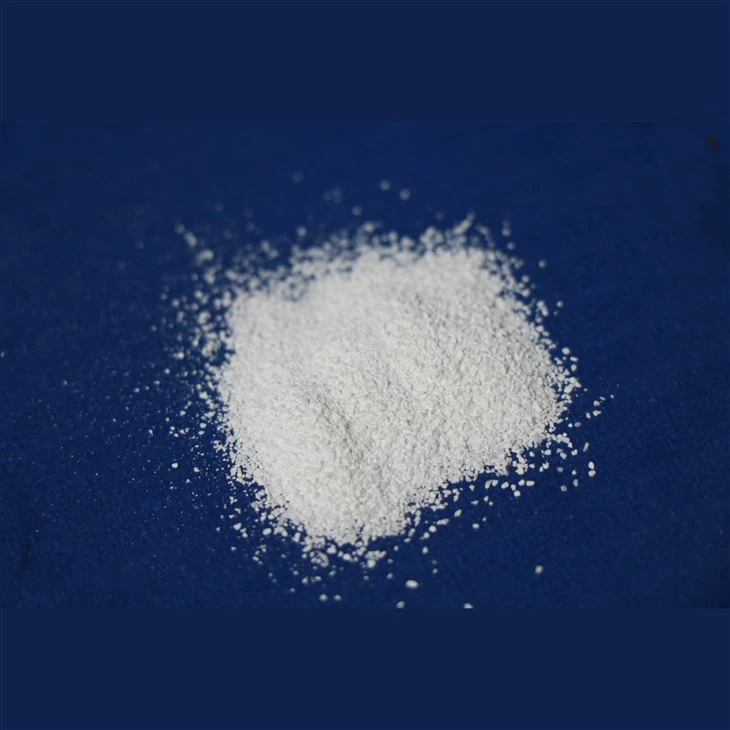
For example, we can coat the salt particles with a thin layer of a polymer - compatible material. This coating can reduce the surface energy of the salt, prevent agglomeration, and improve its interaction with the polymer matrix. Another approach is to functionalize the surface of the salt with specific chemical groups that have strong affinity for the polymer chains.
We offer a range of surface - modified Dialkylphosphinate salts, such as Aluminum Diisobutylphosphinate HD13 CAS 873651 - 85 - 5 and Aluminum Diisobutylphosphinate HD13 - 1 CAS 873651 - 85 - 5, which are designed to have improved dispersion properties in different polymer systems. These products have been well - received in the market for their ability to provide better flame - retardant performance and more uniform dispersion in polymers.
Applications of Well - Dispersed Dialkylphosphinate Salts
Well - dispersed Dialkylphosphinate salts have a wide range of applications in various industries. In the electrical and electronics industry, polymers with well - dispersed flame - retardant salts are used to make components such as circuit boards, connectors, and housings. These polymers need to have high fire - safety standards to prevent electrical fires. For example, Flame Retardant For UHMWPE CAS 873651 - 85 - 5 can be used to enhance the fire - resistance of ultra - high - molecular - weight polyethylene (UHMWPE) used in electrical insulation applications.
In the automotive industry, polymers with well - dispersed Dialkylphosphinate salts are used in interior and exterior parts. These parts need to meet strict flammability regulations to ensure passenger safety. Our Aluminum Diisobutylphosphinate D - 13 CAS 873651 - 85 - 5 has been successfully applied in automotive polymer composites to improve their fire - retardant properties.
Contact Us for Procurement
If you are interested in learning more about our Dialkylphosphinate salts or discussing your specific polymer application requirements, we are here to help. We can provide you with samples, technical data, and expert advice to ensure that you select the most suitable product for your needs. Please feel free to contact us to start the procurement discussion and take advantage of our high - quality products and excellent customer service.
References
- Wilkie, C. A. (2010). Phosphorus - based flame retardancy chemistry and the exploitation of new methods of polymer synthesis. Chemical Reviews, 110(10), 5495 - 5518.
- Zhou, Z., & Hu, Y. (2013). Flame retardancy of polypropylene composites by intumescent flame retardants. Progress in Polymer Science, 38(8 - 9), 1131 - 1148.
- Le Bras, M., & Bourbigot, S. (2004). New prospects in flame retardant polymer materials: From fundamentals to nanocomposites. Materials Science and Engineering: R: Reports, 43(4 - 6), 101 - 158.