Hey there, folks! I'm an ester solvents supplier, and today I wanna chat about the impacts of ester solvents on aquatic life. It's a topic that's super important, not just for the environment but also for all of us who are involved in the chemical industry.
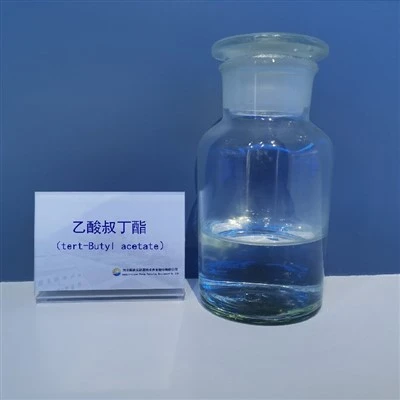
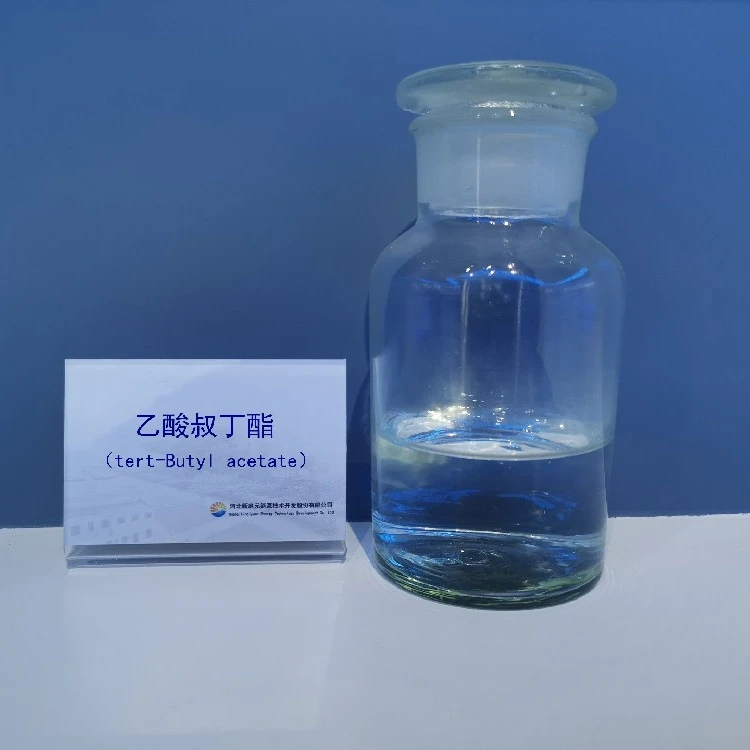
First off, let's get a basic understanding of what ester solvents are. Ester solvents are a group of chemicals that are widely used in various industries, like paints, coatings, adhesives, and pharmaceuticals. They're known for their good solubility, low toxicity compared to some other solvents, and pleasant odor. Some common ester solvents include ethyl acetate, butyl acetate, and the one I wanna specifically mention here - Tert-Butyl Acetate CAS 540-88-5.
Now, when we talk about the impacts on aquatic life, it's crucial to start with how these solvents can end up in water bodies. There are a few ways this can happen. Industrial discharges are a big one. Sometimes, during the manufacturing process, if proper waste management systems aren't in place, ester solvents can be released into nearby rivers, lakes, or oceans. Another way is through improper disposal. Some people might just dump unused solvents down the drain or in an open area where they can eventually make their way into water. And spills during transportation can also be a significant source of solvent contamination in water.
So, what happens when ester solvents reach aquatic ecosystems?
One of the most immediate effects is on water quality. Ester solvents can dissolve in water, especially in lower concentrations. This can change the physical and chemical properties of the water. For example, they can affect the water's dissolved oxygen levels. Aquatic organisms, like fish, need oxygen to survive. When ester solvents are present in the water, they can interfere with the normal exchange of oxygen at the water - air interface. Some solvents can form a thin film on the water surface, which reduces the rate at which oxygen from the air can dissolve into the water. This can lead to hypoxia, a condition where there is not enough oxygen in the water for the organisms to thrive. As a result, fish and other aquatic animals may start to suffocate and die.
Ester solvents can also have toxic effects on aquatic organisms at the cellular level. Different solvents have different levels of toxicity. Some studies have shown that certain ester solvents can damage the cell membranes of aquatic plants and animals. This can disrupt normal cellular functions, such as metabolism and reproduction. For aquatic plants, their ability to photosynthesize can be impaired. Photosynthesis is the process by which plants produce energy and oxygen, which is essential for the entire aquatic ecosystem. If the plants can't photosynthesize properly, it can have a cascading effect on the food chain.
In addition to direct toxicity, ester solvents can bioaccumulate in aquatic organisms. Bioaccumulation means that the concentration of a chemical in an organism's body increases over time as it keeps being exposed to the chemical. Smaller organisms, like plankton, can absorb ester solvents from the water. When these small organisms are eaten by larger ones, the solvents get passed up the food chain. This can lead to higher and higher concentrations of solvents in the bodies of top predators, like large fish and marine mammals. The long - term effects of bioaccumulated ester solvents on these animals can be quite severe. It can affect their immune systems, making them more susceptible to diseases. It can also cause reproductive problems, such as reduced fertility and birth defects.
Another aspect to consider is the impact on the behavior of aquatic organisms. Some ester solvents can act as chemical signals in the water. They can disrupt the normal communication and navigation systems of fish and other animals. For example, fish use chemical cues to find their way around, locate food, and find mates. When ester solvents are present in the water, they can interfere with these chemical signals, causing the fish to become disoriented. This can lead to problems like difficulty finding food, which can ultimately result in starvation.
Now, I know all this sounds pretty bad, but it's important to note that not all ester solvents have the same level of impact. As an ester solvents supplier, I'm fully aware of the environmental concerns. We're constantly working on making our products more environmentally friendly. For example, we're researching and developing ester solvents with lower toxicity and better biodegradability. Biodegradability means that the solvents can be broken down by natural processes in the environment, reducing their long - term impact on aquatic life.
When it comes to the use of ester solvents, proper handling and disposal are key. Industries that use these solvents should have strict waste management protocols in place. This includes treating the wastewater before discharging it, so that any ester solvents are removed or reduced to a safe level. And for consumers, it's important to dispose of solvents properly. Don't just pour them down the drain or throw them in the trash. Look for local recycling or hazardous waste collection programs.
As an industry, we also need to support more research on the impacts of ester solvents on aquatic life. This can help us better understand the risks and develop more effective solutions. There are already some regulatory measures in place to control the use and release of these solvents, but we need to keep improving and adapting these regulations as our knowledge grows.
If you're in the market for ester solvents and are concerned about their environmental impact, rest assured that we're here to help. We can provide you with information about the specific properties of our solvents, including their toxicity levels and biodegradability. We can also offer advice on the proper use and disposal of our products.
If you're interested in learning more about our ester solvents or want to discuss a potential purchase, feel free to reach out. We're always open to having conversations about how we can meet your needs while also being responsible stewards of the environment.
In conclusion, the impacts of ester solvents on aquatic life are complex and varied. But with proper management, research, and a commitment to environmental responsibility, we can minimize these impacts and ensure a healthy future for our aquatic ecosystems.
References:
- Smith, J. (2020). "Environmental Impacts of Chemical Solvents". Journal of Environmental Science.
- Brown, A. et al. (2019). "Bioaccumulation of Organic Solvents in Aquatic Food Chains". Marine Biology Research.
- Green, C. (2021). "The Effects of Ester Solvents on Water Quality". Water Research Journal.