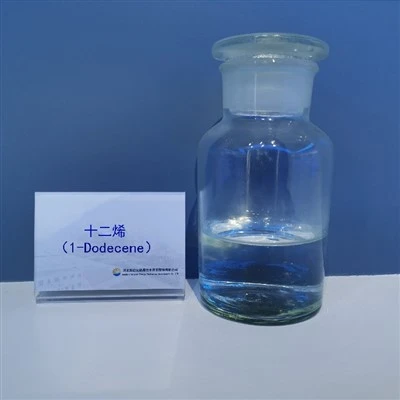
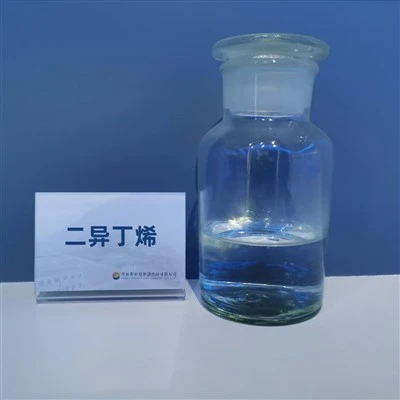
Hey there! As a supplier of Propylene Tetramer (PTM), I'm super stoked to chat about the catalytic systems used in its synthesis. PTM, also known as dodecene, is a key olefin raw material with a wide range of applications in the chemical industry. So, let's dive right in and explore the different catalytic systems that make this synthesis possible.
Ziegler - Natta Catalysts
One of the most well - known catalytic systems for PTM synthesis is the Ziegler - Natta catalysts. These catalysts were developed back in the 1950s and have since revolutionized the field of polymer and olefin chemistry. Ziegler - Natta catalysts typically consist of a transition metal compound, usually titanium or vanadium, and an organometallic co - catalyst, often an alkyl aluminum compound.
The way these catalysts work is pretty cool. The transition metal center provides an active site where the propylene molecules can coordinate and undergo oligomerization. The alkyl aluminum co - catalyst helps to activate the transition metal and also plays a role in controlling the chain length of the resulting oligomers. For PTM synthesis, the reaction conditions need to be carefully controlled to ensure that the propylene molecules tetramerize to form dodecene [1].
The advantages of using Ziegler - Natta catalysts are their high activity and selectivity. They can produce high - quality PTM with relatively good yields. However, they also have some drawbacks. For example, they are sensitive to impurities in the reaction mixture, and the catalyst residues need to be removed after the reaction, which can add to the production cost.
Chromium - Based Catalysts
Chromium - based catalysts are another important class of catalytic systems for PTM synthesis. These catalysts can be very selective towards the formation of PTM, which is a big plus. They typically operate under milder reaction conditions compared to some other catalysts, which is great for energy efficiency.
One of the key features of chromium - based catalysts is their ability to form well - defined active sites. These sites can precisely control the reaction pathway to favor the tetramerization of propylene. Some chromium - based catalysts use ligands that can fine - tune the electronic and steric properties of the active site, further improving the selectivity and activity of the catalyst [2].
However, chromium - based catalysts also have their limitations. They can be expensive to prepare, and the chromium compounds used in these catalysts can be toxic. So, proper handling and disposal procedures need to be in place to ensure environmental and safety compliance.
Nickel - Based Catalysts
Nickel - based catalysts have also been explored for PTM synthesis. These catalysts are known for their relatively good activity and can operate at moderate temperatures and pressures. The active sites in nickel - based catalysts can promote the oligomerization of propylene through a series of coordination and insertion steps.
Nickel catalysts can be modified with different ligands to enhance their performance. The choice of ligand can affect the selectivity towards PTM, as well as the reaction rate. Some ligands can help to stabilize the intermediate species formed during the reaction, leading to more efficient tetramerization [3].
One of the challenges with nickel - based catalysts is their stability. They can sometimes deactivate over time, which can reduce the overall efficiency of the synthesis process. But with proper catalyst design and reaction conditions optimization, this issue can be mitigated.
Other Catalytic Systems
Apart from the above - mentioned catalysts, there are also some other catalytic systems that have been investigated for PTM synthesis. For example, some homogeneous catalysts based on other transition metals like iron or cobalt have shown potential. These catalysts can offer different reaction mechanisms and selectivities, which can be useful for specific applications.
There are also heterogeneous catalysts that can be used in PTM synthesis. Heterogeneous catalysts have the advantage of being easier to separate from the reaction mixture, which simplifies the downstream processing. They can be supported on various materials like silica or alumina, and the support can also influence the catalytic performance [4].
Applications of PTM
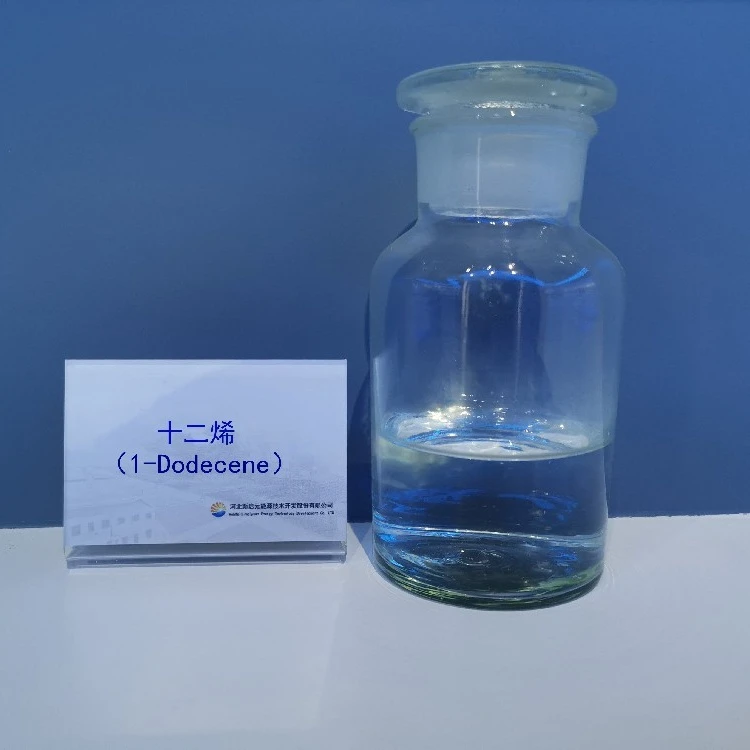
Now that we've talked about the catalytic systems, let's briefly touch on the applications of PTM. PTM, or Dodecene CAS 25378 - 22 - 7, is used in a variety of industries. In the detergent industry, it can be used as a raw material for the production of linear alkylbenzene sulfonates (LAS), which are widely used as surfactants.
Industrial Grade Dodecene CAS 25378 - 22 - 7 is also used in the production of lubricants, where it can improve the viscosity and other properties of the lubricating oil. In addition, PTM can be used in the synthesis of other chemicals, such as High Purity Diisobutylene CAS 25167 - 70 - 8, Octene CAS 111 - 67 - 1, and Nonene CAS 124 - 11 - 8, which have their own set of applications in the chemical industry.
Why Choose Our PTM
As a PTM supplier, we take pride in offering high - quality products. Our PTM is synthesized using state - of - the - art catalytic systems, which ensures high purity and excellent performance. We have a strict quality control process in place to make sure that every batch of PTM meets the highest standards.
We also understand the importance of cost - effectiveness. We work hard to optimize our production processes to keep the prices competitive without compromising on the quality. Whether you need a small quantity for research purposes or a large - scale supply for industrial production, we've got you covered.
Let's Connect
If you're in the market for PTM and want to learn more about our products or have any questions regarding the catalytic systems used in its synthesis, don't hesitate to reach out. We're always happy to have a chat and discuss how we can meet your specific needs. Let's start a conversation and see how we can work together to achieve your goals in the chemical industry.
References
[1] Boor, J. Ziegler - Natta Catalysts and Polymerizations. Academic Press, 1979.
[2] Blann, K. et al. Chromium - based oligomerization catalysts for the production of linear alpha - olefins. Catalysis Today, 2009, 142(1 - 2), 133 - 140.
[3] Mecking, S. et al. Nickel - catalyzed olefin oligomerization. Chemical Reviews, 2003, 103(8), 3019 - 3042.
[4] Corma, A. et al. Heterogeneous catalysis in fine chemicals production. Chemical Reviews, 1995, 95(2), 559 - 614.