Hey there! I'm a supplier of Propylene Tetramer PTM, and today I'm super excited to share with you how this cool chemical is synthesized. Propylene Tetramer PTM, for those who aren't familiar, is a key chemical in a bunch of industries, and knowing how it's made can give you a better idea of its quality and applications.
The Basics of Propylene Tetramer PTM
Before we jump into the synthesis process, let's quickly go over what Propylene Tetramer PTM is. It's basically a product that comes from propylene through a specific reaction. When propylene molecules get together in a certain way, they form this tetramer. Tetramer means there are four propylene units joined up. And this Propylene Tetramer PTM has some really useful properties, like being good for making lubricants, surfactants, and other chemicals.
The Starting Point: Propylene
The first thing you need to make Propylene Tetramer PTM is, of course, propylene. Propylene is a widely available and important industrial chemical. It's usually obtained from the cracking of petroleum or natural gas. You can think of it as the building block for our synthesis.
Once you've got your propylene, it needs to be in a pure form. Any impurities in it can mess up the synthesis process and affect the quality of the final Propylene Tetramer PTM. So, purification steps are really important. This might involve things like distillation to get rid of any other hydrocarbons or contaminants.
The Synthesis Process
There are a few different ways to synthesize Propylene Tetramer PTM, but one of the most common methods is through a catalytic reaction. This means we use a catalyst to speed up the reaction and make the propylene molecules react with each other to form the tetramer.
Catalysts
The choice of catalyst is crucial. Different catalysts can lead to different reaction rates, yields, and product qualities. Some common catalysts used in the synthesis of Propylene Tetramer PTM are transition - metal catalysts. These catalysts can activate the propylene molecules and make them more likely to react.

For example, some catalysts can help the propylene molecules align in a way that they can easily bond with each other. The reaction usually takes place in a reactor, which is like a big container where all the chemical action happens. The reactor needs to be kept at a specific temperature and pressure to ensure the reaction goes smoothly.
Reaction Conditions
Temperature and pressure play a huge role in the synthesis. If the temperature is too low, the reaction might not happen at all or it'll be really slow. On the other hand, if it's too high, it could cause side reactions and reduce the yield of Propylene Tetramer PTM.
The pressure also affects the reaction. Higher pressures can sometimes make the propylene molecules come closer together, increasing the chances of them reacting. But again, there's a sweet spot. If the pressure is too high, it can put extra stress on the reactor and equipment, and might also cause other problems.
Monitoring and Control
During the synthesis process, it's really important to monitor what's going on. We use all kinds of sensors and instruments to measure things like temperature, pressure, and the amount of reactants and products in the reactor. This data helps us make adjustments in real - time.
For example, if the temperature starts to rise too much, we can adjust the cooling system to bring it back down. Or if the reaction rate seems to be slowing down, we might add a bit more catalyst to speed things up.
Purification of the Product
Once the reaction is done, the product we get isn't just pure Propylene Tetramer PTM. It usually has some unreacted propylene, by - products, and the catalyst itself. So, we need to purify it.
One common purification method is distillation. Distillation works because different chemicals have different boiling points. We heat up the mixture, and the components with lower boiling points will turn into vapor first. We can then collect and separate these vapors to get a purer form of Propylene Tetramer PTM.
Related Chemical Products
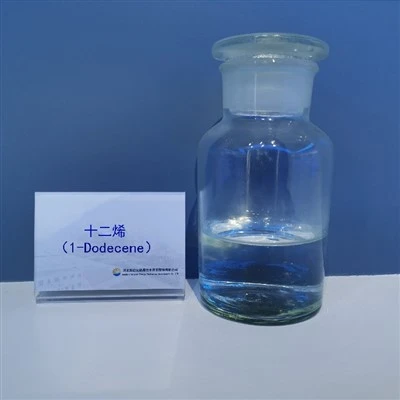
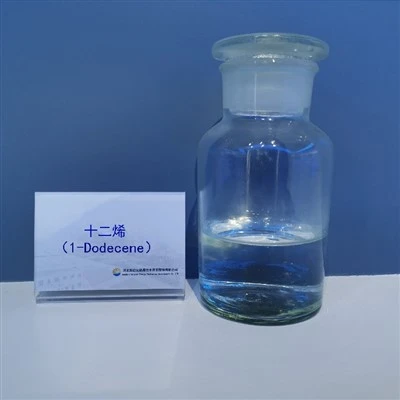
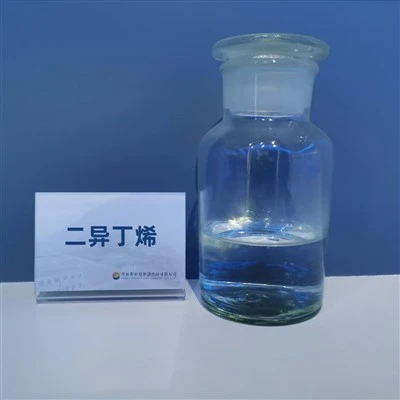
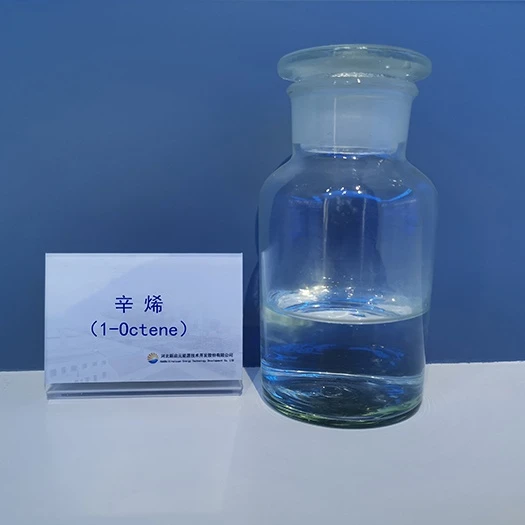
There are a bunch of other chemicals that are related to Propylene Tetramer PTM and are also important in the chemical industry. For instance, High Purity Diisobutylene CAS 25167 - 70 - 8, Octene CAS 111 - 67 - 1, Isobutylene CAS 115 - 11 - 7, Diisobutylene Isomer Mixture CAS 25167 - 70 - 8, and Industrial Grade Dodecene CAS 25378 - 22 - 7. These chemicals can either be used as raw materials in other processes or have their own unique applications.
Quality and Applications
The quality of the Propylene Tetramer PTM we produce is super important. High - quality Propylene Tetramer PTM is more stable and has better performance in its applications. It can be used in the production of high - performance lubricants, which are essential for machinery to run smoothly. It can also be used in the manufacturing of surfactants, which are used in things like detergents and cleaning products.
Why Choose Our Propylene Tetramer PTM
As a supplier, we take pride in the quality of our Propylene Tetramer PTM. We use state - of - the - art synthesis and purification methods to ensure that our product meets the highest standards. Our team of experts monitors every step of the process to make sure you get a consistent and reliable product.
Let's Talk!
If you're in the market for Propylene Tetramer PTM or have any questions about it, don't hesitate to reach out. Whether you're new to using this chemical or a long - time user looking for a better supplier, we're here to help. We can discuss your specific needs, provide samples, and work with you to find the best solution for your business.
References
- Smith, J. Chemical Reactions and Catalysts in the Petrochemical Industry. 20XX.
- Brown, A. Purification Techniques for Organic Chemicals. 20YY.