As a supplier of thermally stable phosphinates, I've been frequently asked about whether these high - performing flame retardants have any disadvantages. Thermally stable phosphinates have been a significant breakthrough in the field of flame retardancy, offering excellent heat resistance, good compatibility with polymers, and efficient flame - retarding properties. However, it's important to take an objective look at their potential drawbacks.
Cost - effectiveness
One of the primary concerns regarding thermally stable phosphinates is the cost. Compared with some traditional flame retardants such as brominated flame retardants, the production process of phosphinates is generally more complex and requires specialized equipment and high - quality raw materials. This complexity often drives up the cost of production, which is then reflected in the market price. For manufacturers on a tight budget, the relatively high cost of thermally stable phosphinates can be a significant deterrent. They may opt for more affordable alternatives, even if they offer lower performance.
However, it's crucial to note that the long - term benefits of using thermally stable phosphinates can sometimes offset the initial high cost. Their high efficiency means that smaller amounts are needed to achieve the same level of flame retardancy as other products. Moreover, the reduced environmental impact and better safety profiles can lead to cost savings in waste management and regulatory compliance in the long run.
Compatibility with Certain Polymers
While thermally stable phosphinates are known for their good compatibility with many polymers, there are still some exceptions. In some engineering plastics with high - performance requirements, such as certain types of polycarbonates or polyphenylene sulfides, the addition of phosphinates can cause issues with the polymer's mechanical properties. For example, it may lead to a decrease in the polymer's impact strength, tensile strength, or elongation at break. This is because the interaction between the phosphinate and the polymer matrix can disrupt the molecular structure of the polymer to some extent.
Another aspect of compatibility is related to processing. Some polymers require specific processing conditions, such as high temperatures and pressures. Thermally stable phosphinates may undergo certain chemical reactions or degradation under these extreme processing conditions, which can affect the quality of the final product. For instance, in the injection - molding process of some thermoplastics, if the phosphinates decompose during the high - temperature processing, it can result in the formation of voids or bubbles in the molded part.
Environmental and Health Considerations
Although thermally stable phosphinates are generally regarded as more environmentally friendly compared to brominated flame retardants, there are still some ongoing debates in the scientific community about their long - term environmental impact. Phosphorus compounds can potentially enter water bodies through industrial wastewater discharge or leaching from products during use and disposal. Once in the water, excessive phosphorus can lead to eutrophication, causing an overgrowth of algae and other aquatic plants, which can disrupt the ecological balance of the water ecosystem.
From a health perspective, while most studies suggest that thermally stable phosphinates have low acute toxicity, there is limited research on their chronic health effects. Workers involved in the production and processing of these products may be exposed to phosphinate dust or fumes, and the long - term impact of such exposure on human health, such as the potential for carcinogenicity or reproductive toxicity, is not fully understood.
Limited Availability of Specialized Grades
In the market, the availability of specialized grades of thermally stable phosphinates can be limited. Different applications often require phosphinates with specific properties, such as different particle sizes, surface treatments, or levels of thermal stability. For example, in the electronics industry, where miniaturization and high - precision are crucial, flame retardants need to have a very fine particle size to ensure good dispersion in the polymer matrix.
Currently, although there are some standard grades of thermally stable phosphinates available, the production of specialized grades may be restricted by the technical capabilities of manufacturers and the relatively small market demand. This can pose challenges for customers who have unique requirements for their products.
Industry - specific Challenges
In certain industries, the use of thermally stable phosphinates faces specific challenges. In the textile industry, for example, the application of phosphinates as flame retardants requires a different approach compared to polymers. Phosphinates need to be properly dispersed and adhered to the fabric fibers, which can be difficult due to the difference in the surface properties of the fibers and the phosphinate particles. Additionally, the washing durability of the flame - retardant treatment is a major concern. The phosphinates may be washed off during repeated laundering, reducing the flame - retardant effectiveness of the textile over time.
In the construction industry, the fire - safety requirements are extremely strict. While thermally stable phosphinates can provide good flame retardancy, they may need to meet additional requirements such as low smoke generation and non - toxicity during a fire. Ensuring that phosphinates can meet all these requirements simultaneously can be a significant challenge.
Our Product Offerings
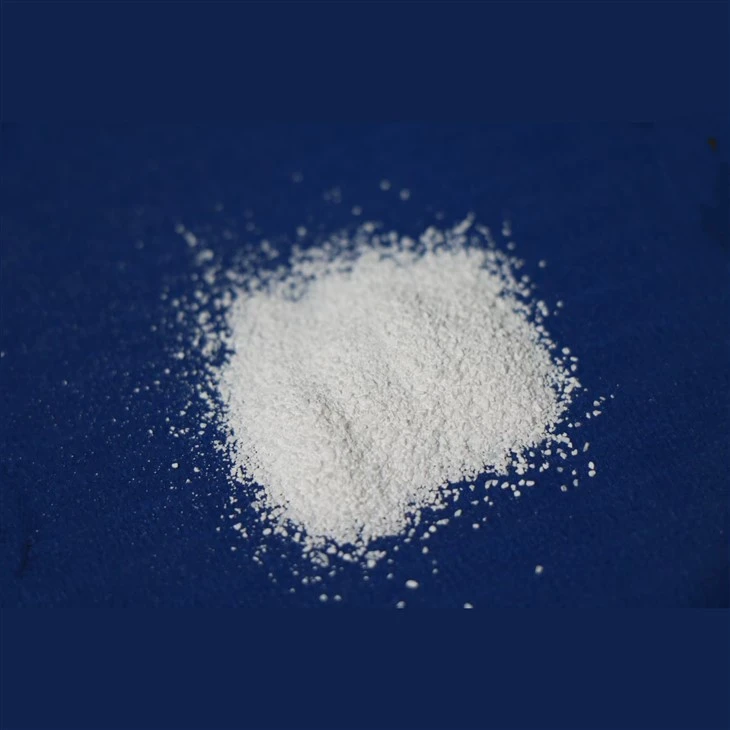
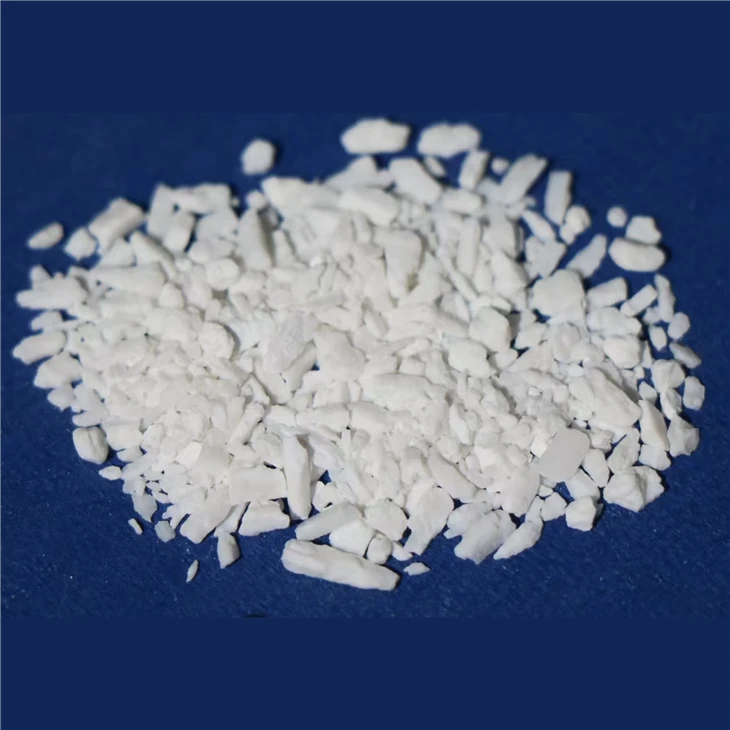
Despite these potential disadvantages, thermally stable phosphinates still offer a wide range of benefits, and at our company, we are committed to providing high - quality products to meet our customers' needs. We offer various types of thermally stable phosphinate products, including Aluminum Diisobutylphosphinate D - 13 CAS 873651 - 85 - 5, Ultra - fine Aluminum Diisobutylphosphinate ZM - 1 CAS 873651 - 85 - 5, Aluminum Diisobutylphosphinate For Polyamide CAS 873651 - 85 - 5, Aluminum Diisobutylphosphinate ZM - 1 CAS 873651 - 85 - 5, and Flame Retardant For UHMWPE CAS 873651 - 85 - 5. These products have been carefully developed and tested to ensure optimal performance and compatibility.
We understand that each customer's situation is unique, and we are ready to work with you to find the most suitable solution. If you are considering using thermally stable phosphinates in your products or have any questions about their potential disadvantages and how to mitigate them, please feel free to contact us for a detailed discussion. We look forward to the opportunity to collaborate with you and help you achieve your fire - safety goals.
References
- [1] "Flame Retardancy of Polymers: Principles and Practice", edited by Horrocks, A. R. and Price, D.
- [2] Research papers on the environmental impact of phosphorus - based flame retardants in scientific journals such as "Environmental Science & Technology".
- [3] Industry reports on the market trends and applications of thermally stable phosphinates.