A coating recipe can look satisfactory in a beaker and still behave differently on a textile or molded part. For that reason, a flame-retardant sample request should describe the chosen binder, application method, dry film target and planned curing schedule. It also helps to say whether a flexible finish, a filled film or a masterbatch is being tested. The company lists Aluminum diisobutylphosphinate among additives for fibers and textile coatings.
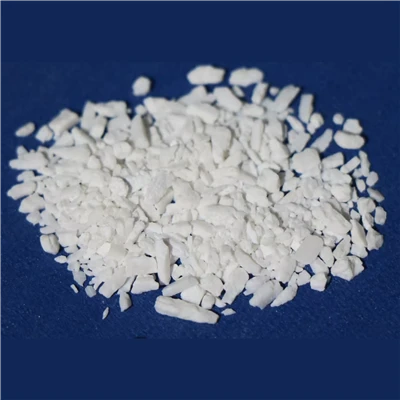
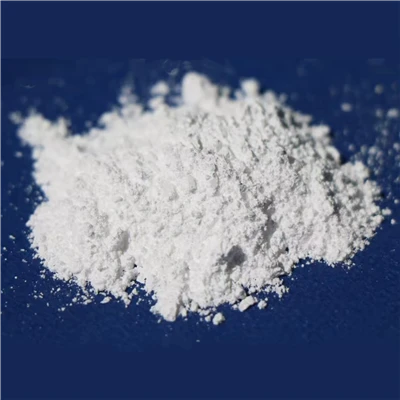
Its description calls the product halogen-free and gives the white powder a 240-280°C melting interval. Those facts identify the material family; they do not establish a finished coating's flame rating. Particle size, dispersion and the other ingredients in the recipe can change both appearance and test results.
Ask the supplier which grade is being shipped, and request a lot-specific certificate with the sample. During the first application run, record mixing time, viscosity, sedimentation and film appearance. Test adhesion and flexibility after the normal cure rather than judging only the wet coating. Any flame classification should come from a test on the coated substrate at the intended coating weight.
If adjustments are needed, change one variable at a time so the cause stays clear. A supplier discussion about Aluminum diisobutylphosphinate is most useful when it includes these observations, the relevant safety sheet and the target production method. This supports batch assessment.