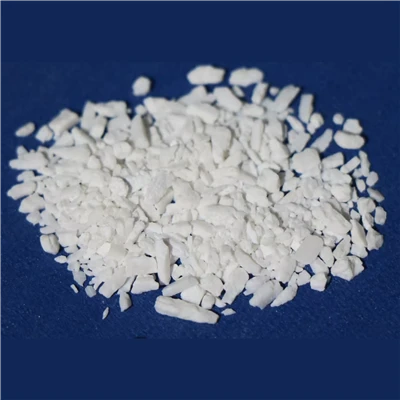
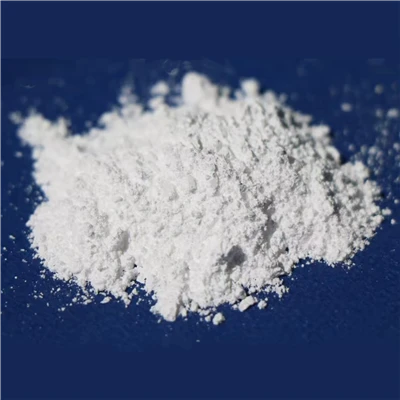
A compounder planning a flame-retardant recipe begins with a processing question: should the additive enter the mixer as a fine powder or a granule? The product range includes a ZM-1 powder and several physically compacted alternatives. Their handling behavior is different enough that the grade name belongs on the sample request. Aluminum diisobutylphosphinate in ZM-1 powder form is described with a 5-50 μm particle range.
A fine feed may suit a process that has controlled dosing and dust management. A granule may be easier to meter alongside polymer pellets, although it still needs a dispersion trial. Do not copy the powder's particle-size number onto a granulated grade.
Start with the actual resin, mixing temperature and desired test specimen. Record the feeder setting, melt behavior and dispersion during a small run. Then check mechanical properties and the relevant flame test on molded specimens. The supplier's sheet gives a general melting interval of 240-280°C, which is useful context for setting a trial but does not replace the resin maker's processing instructions.
A second shipment should be compared with the approved grade and lot certificate. Aluminum diisobutylphosphinate becomes a practical option only when these steps produce repeatable results in the customer's own formulation. The accepted physical form should stay on the material record alongside its grade, preventing an unnoticed substitution at the feeder.