Hey there! I'm a supplier of high performance phosphinate, and today I wanna chat about how these awesome products perform in alkaline environments.
Properties of High Performance Phosphinate
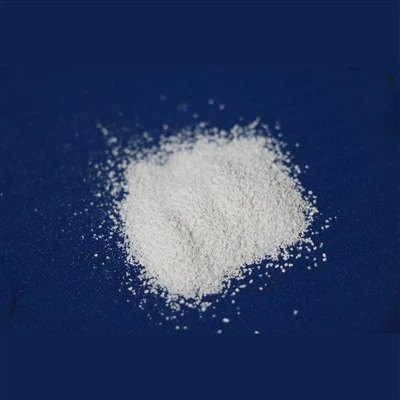
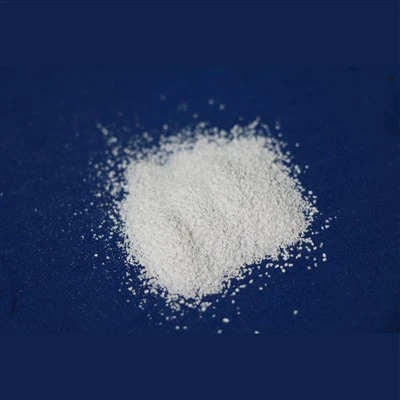
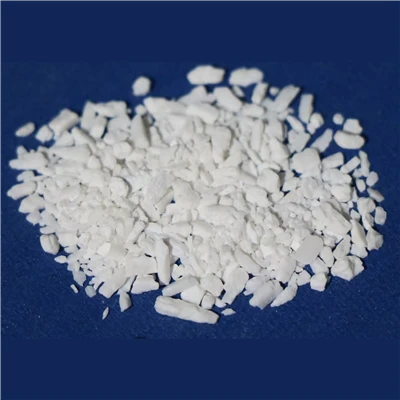
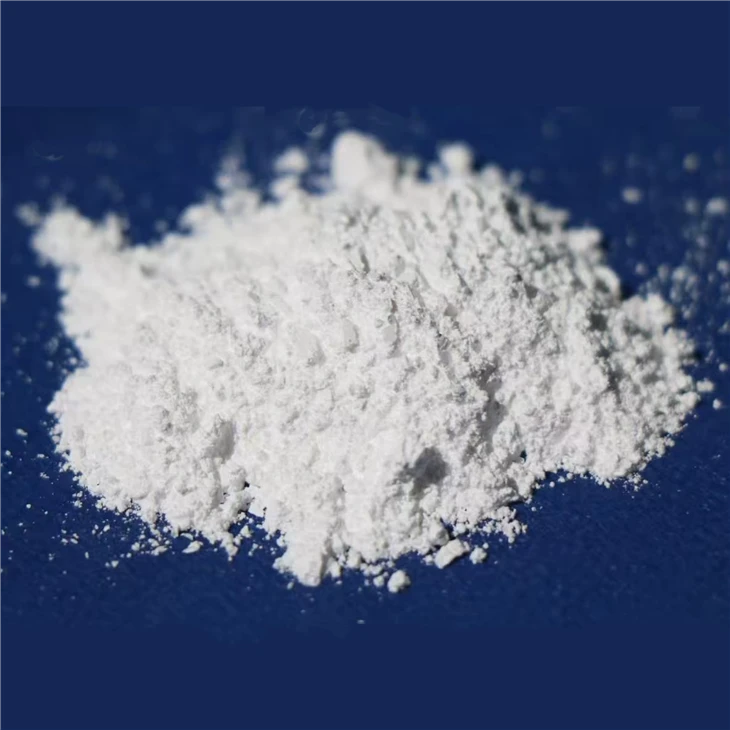
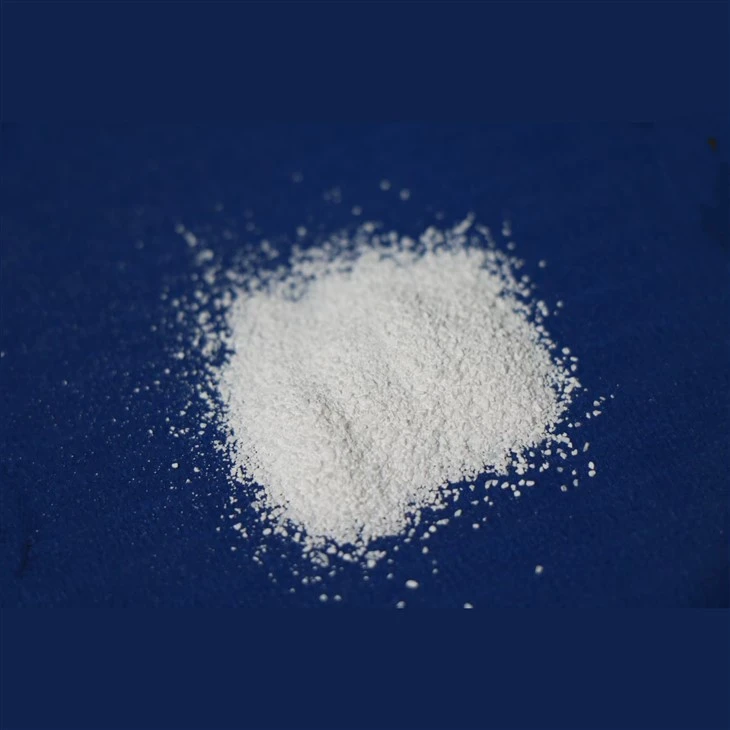
First off, let's get a bit technical on the properties of high performance phosphinate. High performance phosphinates, like the Aluminum Diisobutylphosphinate HD13 CAS 873651 - 85 - 5, Aluminum Diisobutylphosphinate D - 13 CAS 873651 - 85 - 5, Ultra - fine Aluminum Diisobutylphosphinate ZM - 1 CAS 873651 - 85 - 5, and Aluminum Diisobutylphosphinate ZM - 1 CAS 873651 - 85 - 5, possess some pretty cool characteristics. They're known for their excellent flame - retardant properties, which is why they're often used in a wide range of applications, especially in polymers.
These phosphinates have a unique chemical structure that gives them stability under normal conditions. They can form a protective layer on the surface of the material they're added to, preventing the spread of fire and reducing the release of flammable gases. But what happens when they're exposed to alkaline environments?
Performance in Alkaline Environments
In alkaline environments, the performance of high performance phosphinate can be a bit of a mixed bag. On one hand, some phosphinates show good chemical stability. The alkaline environment might not immediately break down the chemical structure of the phosphinate. This means that in many cases, the flame - retardant properties can still be maintained to some extent.
For example, in some industrial settings where the surrounding environment has a slightly alkaline pH, our Flame Retardant For UHMWPE CAS 873651 - 85 - 5 can still do a great job of protecting the ultra - high molecular weight polyethylene (UHMWPE) from catching fire. The phosphinate forms a char layer on the surface of the UHMWPE, which acts as a barrier between the polymer and the oxygen in the air, thus preventing combustion.
However, things can get a bit tricky in highly alkaline conditions. In very high - pH environments, the phosphinate might start to react with the alkaline substances. This reaction can lead to the degradation of the phosphinate, which in turn can reduce its flame - retardant effectiveness. The alkaline substances can break the chemical bonds in the phosphinate molecule, causing it to lose its ability to form the protective char layer.
Factors Affecting Performance
Several factors can affect how high performance phosphinate performs in alkaline environments. One of the main factors is the concentration of the alkaline solution. A higher concentration of alkaline substances means a greater chance of reaction with the phosphinate. For instance, if you're using our phosphinate in a system where the alkaline concentration is constantly increasing due to the process conditions, you might start seeing a decline in its performance over time.
Another factor is the temperature. Higher temperatures can accelerate the reaction between the phosphinate and the alkaline substances. So, in a hot alkaline environment, the degradation of the phosphinate can happen much faster than in a cooler one. This is important to keep in mind when choosing the right phosphinate for a specific application.
The type of base in the alkaline environment also matters. Different bases have different reactivities with phosphinates. For example, some strong bases might react more aggressively with the phosphinate than weaker ones, leading to a more rapid degradation.
Applications in Alkaline - Prone Environments
Despite the challenges in alkaline environments, high performance phosphinate still has a lot of applications in settings where there's a risk of alkalinity. In the battery industry, for example, there are some battery chemistries that involve alkaline electrolytes. Our high performance phosphinates can be used in the battery casings or other components to provide flame retardancy. Even though the alkaline environment might pose a threat to the phosphinate, proper formulation and selection can ensure that it still offers adequate protection.
In the textile industry, some dyeing and finishing processes use alkaline solutions. By adding high performance phosphinate to the fabrics during the manufacturing process, we can make them flame - resistant even in an environment where they might be exposed to alkalinity.
How to Optimize Performance
If you're using high performance phosphinate in an alkaline environment, there are a few things you can do to optimize its performance. First, you can choose the right type of phosphinate. Some phosphinates are more resistant to alkaline degradation than others. Our technical team can help you select the most suitable product based on your specific application and the expected alkaline conditions.
You can also use additives in combination with the phosphinate. Some additives can enhance the stability of the phosphinate in alkaline environments. They can either react with the alkaline substances first or form a protective layer around the phosphinate molecule, preventing its reaction with the base.
Proper formulation is key. By adjusting the ratio of the phosphinate and other components in the mixture, you can ensure that the flame - retardant properties are maintained for as long as possible in the alkaline environment.
Conclusion
High performance phosphinate plays a crucial role in many applications, even in alkaline environments. While there are some challenges associated with its performance in such conditions, with the right selection, formulation, and use of additives, we can make the most of its flame - retardant properties.
If you're interested in learning more about our high performance phosphinate products and how they can work in your alkaline - prone applications, don't hesitate to reach out and start a chat with us about potential procurement. We're here to help you find the best solutions for your needs.
References
- Some research on the chemical stability of phosphinates in alkaline solutions.
- Industry reports on the use of flame retardants in alkaline - containing environments.