General-purpose Polymer Materials
Plastic Products: Ethylene and propylene are polymerized to produce polyethylene and polypropylene. These are the most widely produced plastic categories globally, used extensively in plastic films, containers, water pipes, and various packaging materials.
Synthetic Rubber: Olefins such as butadiene serve as core raw materials for synthetic rubber; products like automotive tires and industrial conveyor belts rely heavily on these materials.
Synthetic Fibers: Propylene is used to produce polypropylene fibers, which are lightweight and thermally insulating, making them ideal for manufacturing textiles such as clothing and carpets.
Fine Chemicals and Intermediates
Starting with ethylene and propylene, hundreds of high-value chemical products-such as ethanol, acetic acid, ethylene glycol, acetaldehyde, and ethylene oxide-can be synthesized. These products serve as industrial solvents, antifreeze agents, and raw materials for polymer synthesis, underpinning the entire fine chemical industry chain.
High-end Industry and New Energy
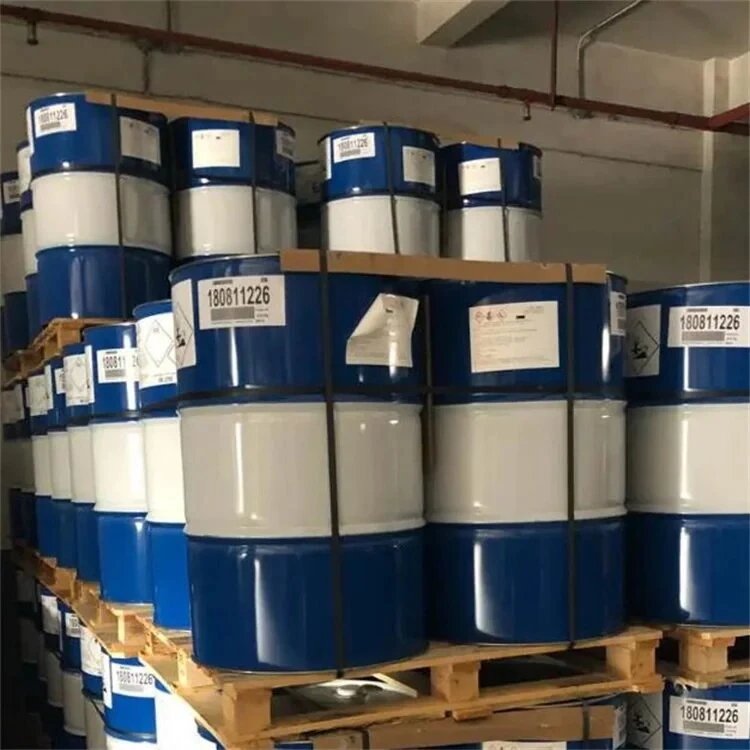
Photovoltaic Materials: Long-chain olefins and alpha-olefins are used to produce photovoltaic encapsulant films, which are critical, indispensable materials for the encapsulation of solar modules.
High-performance Lubricants: Polyalphaolefins (PAO) are used to formulate fully synthetic, high-performance lubricants. These maintain stable lubricating properties across a wide temperature range (-40°C to 100°C), significantly extending the service life of precision machinery, such as engines.
Automotive Lightweighting: Polyolefin elastomers are used to manufacture lightweight automotive components, effectively reducing vehicle weight and improving fuel efficiency or driving range.