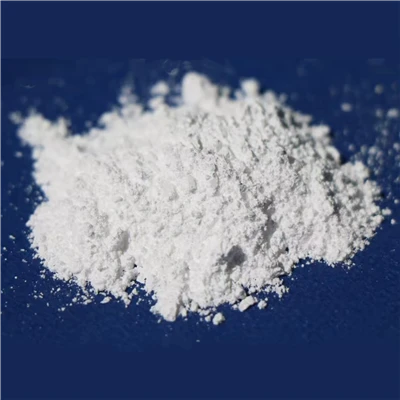
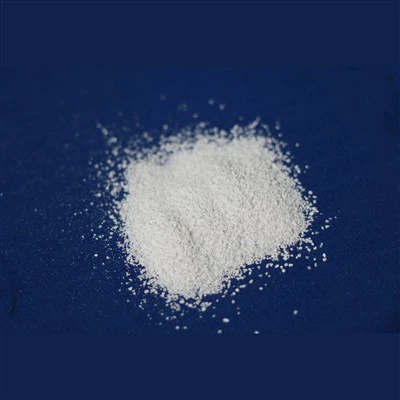
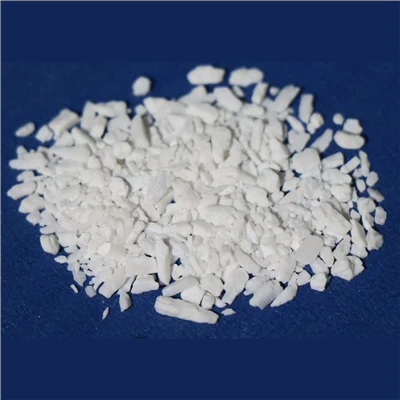
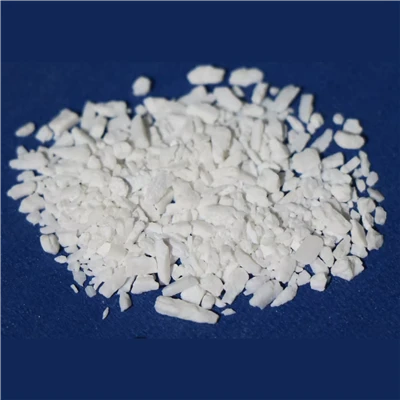
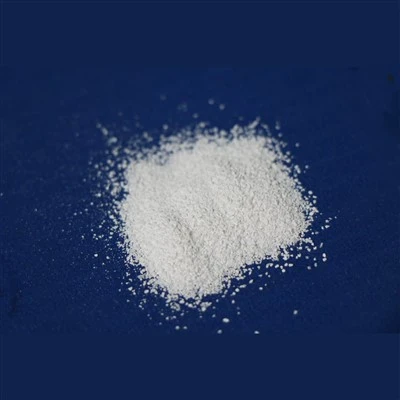
Flame retardants are functional additives designed to impart flame resistance to flammable polymers, primarily serving to delay or prevent the combustion of macromolecular materials. Their basic characteristics can be described in terms of core attributes, mechanisms of action, and classification features:
Core Characteristics
Functional Attributes: They significantly enhance the flame resistance of flammable materials, prolonging the time to ignition and achieving effects such as self-extinguishing behavior and resistance to sustained burning; they are widely applicable to plastics, rubber, textiles, and construction materials.
Compatibility Requirements: They exhibit good compatibility with base materials without significantly compromising original heat resistance, mechanical strength, or electrical properties. Their decomposition temperature aligns with material processing temperatures-preventing premature degradation-while also offering good weatherability and durability.
Cost and Safety: Mainstream varieties offer a favorable cost-performance ratio; most eco-friendly products are low-toxicity and low-smoke, do not release large amounts of toxic or corrosive gases during combustion, and comply with relevant industry safety regulations.
Core Mechanisms of Action
Flame retardants typically function through a synergy of multiple mechanisms, which constitutes their most fundamental functional characteristic:
Endothermic Cooling: Under high temperatures, they undergo strongly endothermic reactions, absorbing heat released by combustion, lowering the surface temperature of the combustible material, and inhibiting the generation of combustible gases (e.g., aluminum hydroxide absorbs significant heat when dehydrating under heat).
Protective Barrier Formation: Upon heating, they form a glassy or dense char layer on the material's surface, isolating it from oxygen and heat while preventing the escape of combustible gases; phosphorus-based flame retardants are typical examples of this mechanism.
Free Radical Scavenging: They capture active free radicals involved in the combustion reaction within the gas-phase combustion zone, thereby interrupting the combustion chain reaction; this is the core operating principle of halogen-based flame retardants.
Non-combustible Gas Dilution: Upon thermal decomposition, they release non-combustible gases such as nitrogen and water vapor, diluting the concentration of oxygen and combustible gases in the combustion zone and inhibiting the spread of fire; nitrogen-based flame retardants primarily function through this pathway.