Hey there, fellow chemistry enthusiasts! I'm a supplier of Nonene Isomers, and today I'm super excited to dive deep into the fascinating world of how nonene isomers participate in radical reactions.
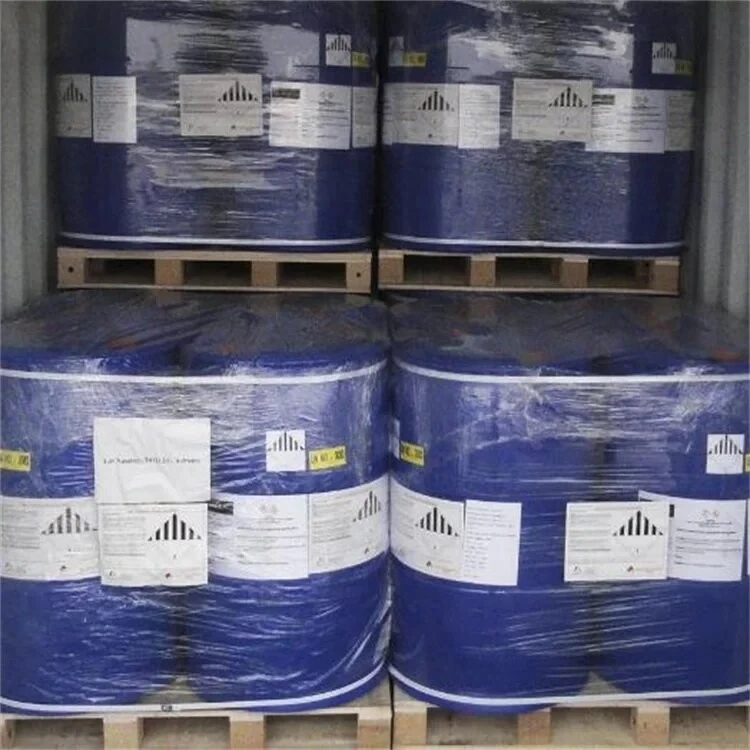
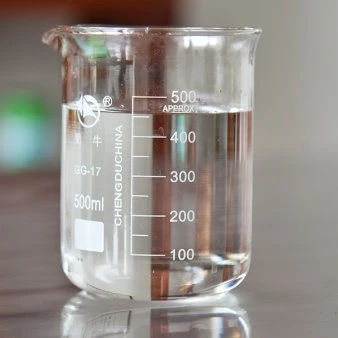
First off, let's quickly get on the same page about what nonene isomers are. Nonene is an alkene with the molecular formula C₉H₁₈. The term "isomers" means there are different structural arrangements of these atoms. These isomers can have different physical and chemical properties, and that's what makes them so interesting when it comes to radical reactions.
Radical reactions are a type of chemical reaction where radicals, which are atoms, molecules, or ions with unpaired electrons, are involved. These radicals are highly reactive and can initiate a chain of reactions. Nonene isomers can play a crucial role in these reactions due to the presence of their double bonds.
One of the most common ways nonene isomers participate in radical reactions is through addition reactions. When a radical, let's say a halogen radical like a bromine radical (Br•), approaches a nonene isomer, it can add to one of the carbon atoms of the double bond. This forms a new radical on the other carbon atom of the double bond. This newly formed radical can then react with another molecule, continuing the chain reaction.
For example, if we take a simple nonene isomer, 1 - nonene, and react it with a bromine radical, the bromine radical will add to the first carbon of the double bond. This results in a new radical on the second carbon of the double bond. This radical can then react with another bromine molecule (Br₂) to form a new brominated product and regenerate a bromine radical, which can continue the reaction.
The reactivity of different nonene isomers in radical addition reactions can vary. Isomers with more substituted double bonds are generally more reactive. This is because the substituents on the double bond can stabilize the intermediate radical through hyperconjugation and inductive effects. For instance, a nonene isomer with a tertiary carbon in the double - bond position will be more reactive than one with a primary carbon in the double - bond position.
Another important aspect of nonene isomers in radical reactions is their role in polymerization. Radical polymerization is a process where monomers (in this case, nonene isomers) are linked together to form polymers. In the presence of a radical initiator, like a peroxide, the initiator decomposes to form radicals. These radicals can then react with the double bond of a nonene isomer, starting the polymerization process.
The structure of the nonene isomer can greatly influence the properties of the resulting polymer. Different isomers can lead to polymers with different chain lengths, branching patterns, and physical properties such as melting point, solubility, and mechanical strength. For example, a linear nonene isomer may result in a more crystalline polymer, while a branched isomer may lead to a more amorphous and flexible polymer.
Now, let's talk about the practical applications of these radical reactions involving nonene isomers. In the petrochemical industry, these reactions are used to produce a variety of products. Radical addition reactions can be used to functionalize nonene isomers, introducing new chemical groups that can enhance their performance in different applications. For example, adding a sulfur - containing group to a nonene isomer can improve its lubricating properties, making it useful in engine oils.
Polymerization of nonene isomers can lead to the production of polymers that are used in plastics, adhesives, and coatings. These polymers can have unique properties that make them suitable for specific applications. For instance, a nonene - based polymer with good weather resistance can be used in outdoor coatings.
As a Nonene Isomers supplier, I understand the importance of providing high - quality products for these radical reactions. We ensure that our nonene isomers have the purity and composition required for optimal performance in various chemical processes. And if you're looking for other related olefin raw materials, we've got you covered. Check out our High Purity Diisobutylene CAS 25167 - 70 - 8, Industrial Grade Dodecene CAS 25378 - 22 - 7, Diisobutylene CAS 25167 - 70 - 8, Diisobutylene Isomer Mixture CAS 25167 - 70 - 8, and Octene CAS 111 - 67 - 1.
If you're involved in chemical research, manufacturing, or any other field that requires nonene isomers or related olefin raw materials, I encourage you to reach out to us. We're here to provide you with the best products and support for your projects. Whether you need a small sample for testing or a large - scale supply for production, we can work with you to meet your requirements.
In conclusion, nonene isomers are amazing chemical compounds that have a significant role in radical reactions. Their unique structures and reactivities make them valuable in a wide range of applications. If you're interested in learning more about nonene isomers or have any questions regarding our products, don't hesitate to contact us. We look forward to working with you and helping you achieve your chemical goals.
References
- Wade, L. G., Jr. (2013). Organic Chemistry. Pearson.
- Carey, F. A., & Giuliano, R. M. (2014). Organic Chemistry. McGraw - Hill.